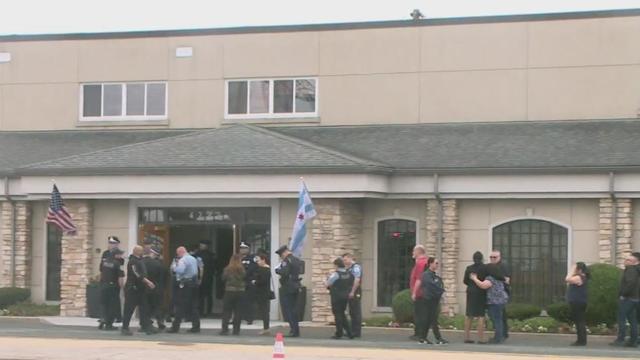
Visitation held for fallen Chicago Police Officer Luis Huesca
"We will never feel the same," Luis Huesca's mother said.
Watch CBS News

Breaking News, First Alert Weather, Exclusive Investigations & Community Journalism
"We will never feel the same," Luis Huesca's mother said.
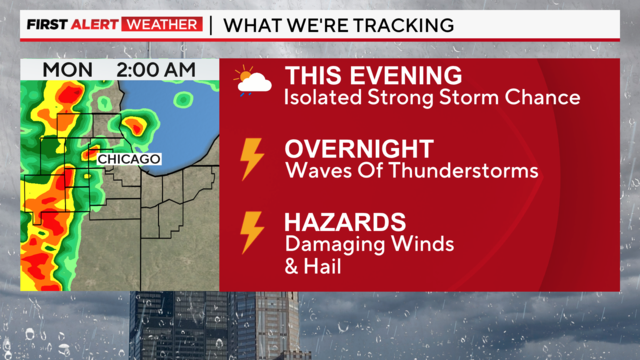
Waves of thunderstorms could move into the area between 1 a.m. and 5 a.m.
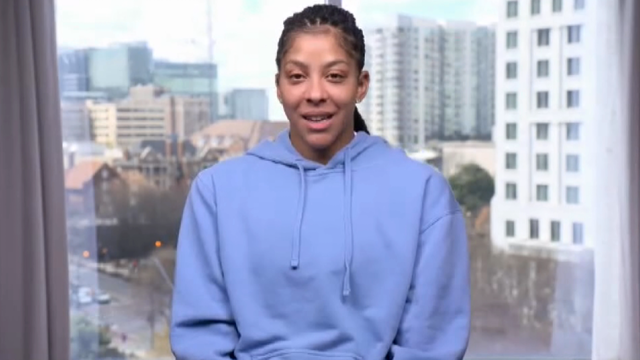
Parker earned her second MVP award in 2013 and won her first title in 2016 with the Sparks. She'd go on to win a second title with the Chicago Sky in 2021 and a third with the Las Vegas Aces last season
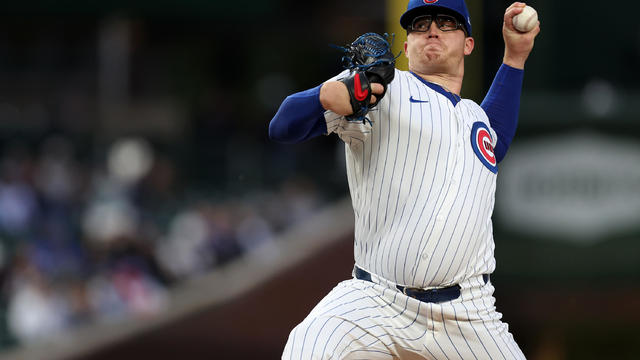
For the second straight day, a large gathering of Cubs fans that made the trip to Fenway Park were unable to wave their "W" flags.
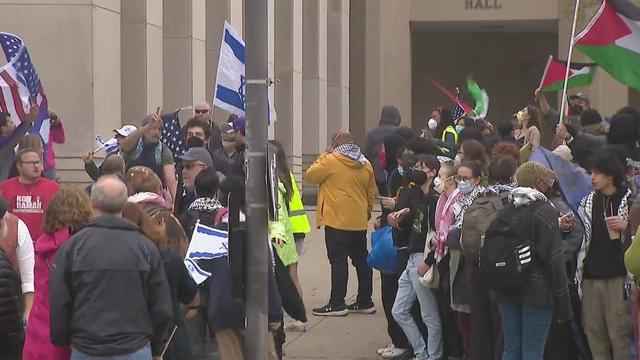
Tensions are escalating in Evanston as hundreds of pro-Palestinian protesters take over Deering Meadow.
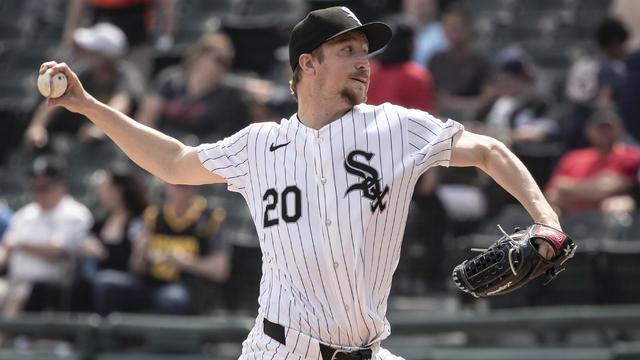
Chicago improved to 6-22. It outscored Tampa Bay 21-13 this weekend.
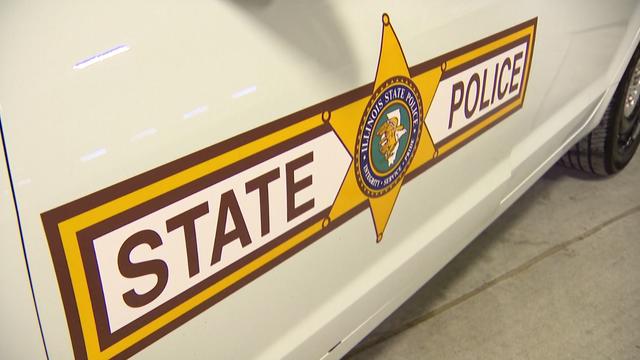
Steven Moore, 30, was charged with three counts of attempted murder.

Anthony E. Osmena, 23, was charged with aggravated battery with a deadly weapon, aggravated battery, aggravated battery in a public way, and unlawful use of a weapon.

Breaking News, First Alert Weather, Exclusive Investigations & Community Journalism
Waves of thunderstorms could move into the area between 1 a.m. and 5 a.m.
CBS 2 News Chicago's weather forecast model — First Alert — helps digital users and traditional television viewers stay on top of Chicago's dynamic weather.
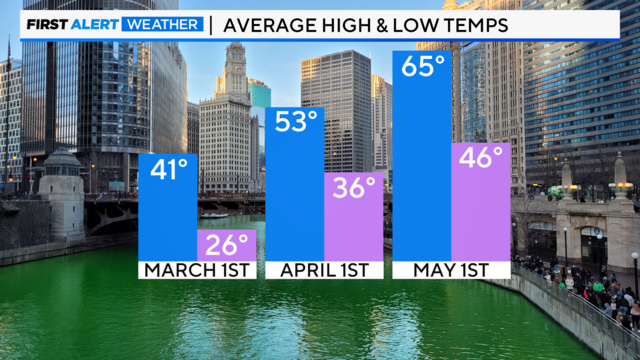
The emergence of greenery and blossoms is underway soon as El Niño fades away, and we transition to a neutral weather pattern.
Expert panel discussion centers the focus on the disparity that 1 in 3 victims of crime in Chicago is a Black woman
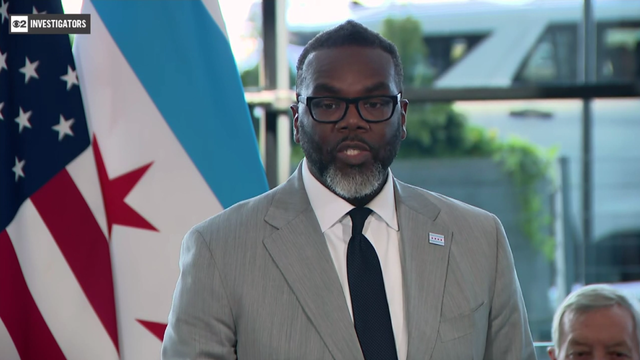
Police arrived at the scene sooner than if they had waited for the first 911 call.
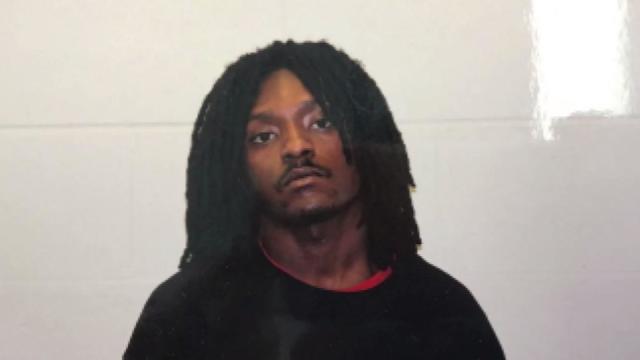
Anthony Robinson's attorney said his previous defense lawyer failed to present evidence that showed it was physically impossible for him to be the shooter.
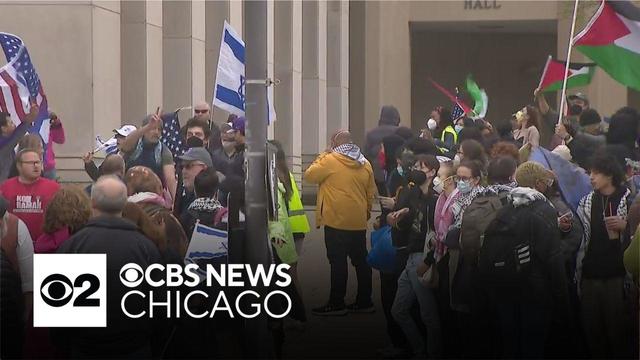
On Sunday, those protesters faced off with pro-Israel demonstrators, and things got very heated at times.
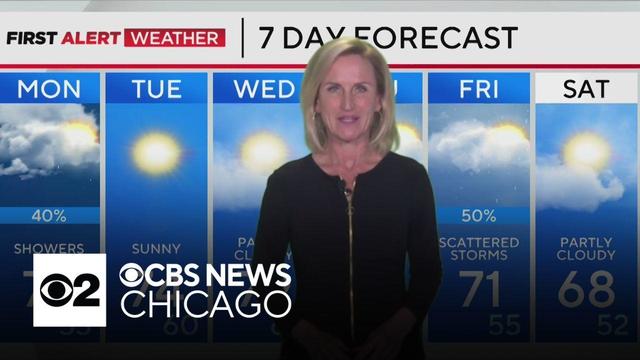
CBS 2 Meteorologist Mary Kay Kleist has the 5:30 p.m. forecast for Sunday, April 28, 2024.
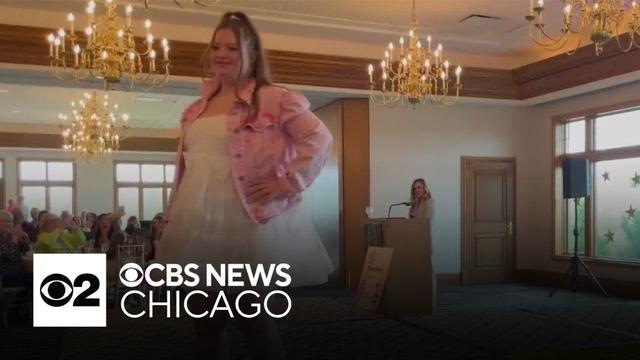
The fundraiser is fittingly called "Be-YOU-tiful." Gigi's Playhouse has served people with Down Syndrome for years. CBS 2's Marissa Perlman was emcee at the fashion show.
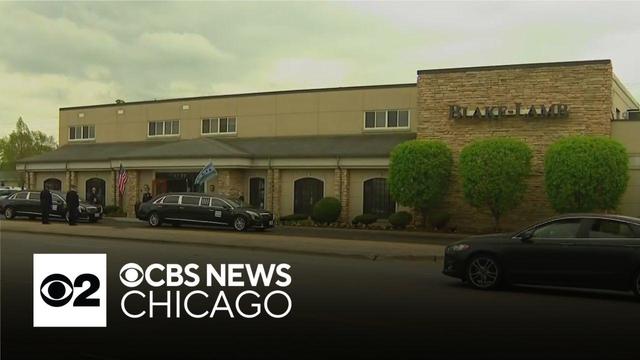
It's a painful and emotional process that happens in the shadow of what has become an intense manhunt for his killer.
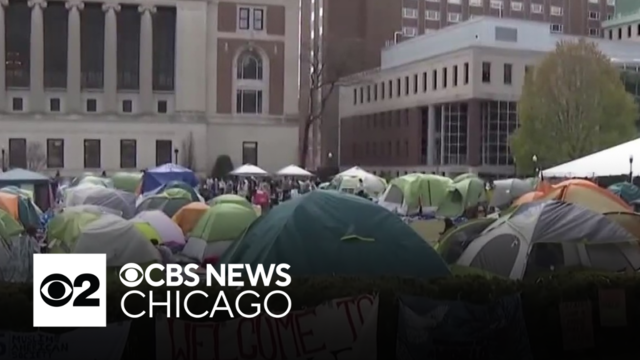
More arrests were made on college campuses Saturday as some universities seek to close their gates to outsiders, but pro-Palestinian protests and encampments continue to spread.
For the second straight day, a large gathering of Cubs fans that made the trip to Fenway Park were unable to wave their "W" flags.
Chicago improved to 6-22. It outscored Tampa Bay 21-13 this weekend.
Parker earned her second MVP award in 2013 and won her first title in 2016 with the Sparks. She'd go on to win a second title with the Chicago Sky in 2021 and a third with the Las Vegas Aces last season
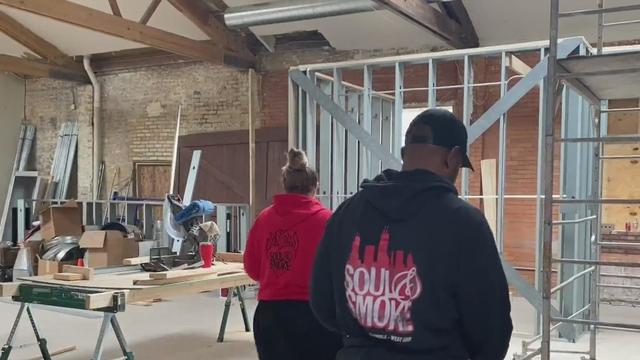
Soul and Smoke's flagship shop is currently undergoing renovations inside of an old barn in Evanston - a canvas that's becoming increasingly less blank.
Expert panel discussion centers the focus on the disparity that 1 in 3 victims of crime in Chicago is a Black woman
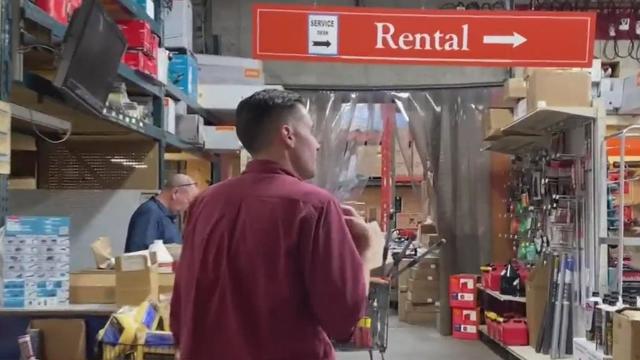
Clark Devon Hardware was owned by one family for 99 years. When they decided to sell, it wasn't to a new investor but to their staff. Now, a year later, the shop is proudly owned by their team of 65 employees.
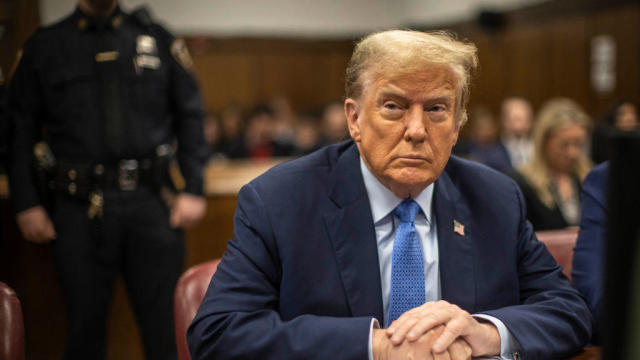
Prosecutors in former President Donald Trump's criminal trial in New York called two new witnesses to the stand on Friday, rounding out the first week of testimony.
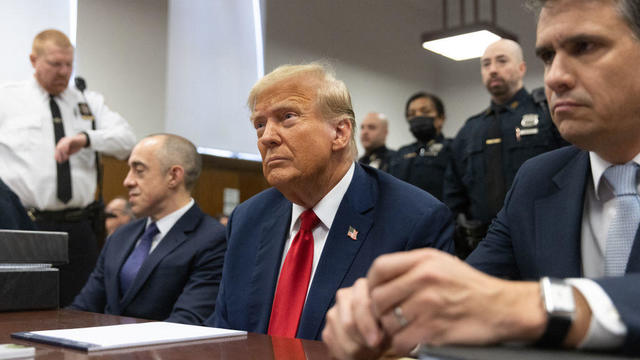
Former National Enquirer boss David Pecker appeared on the stand for the third day, detailing an agreement the tabloid made with a former Playboy model.
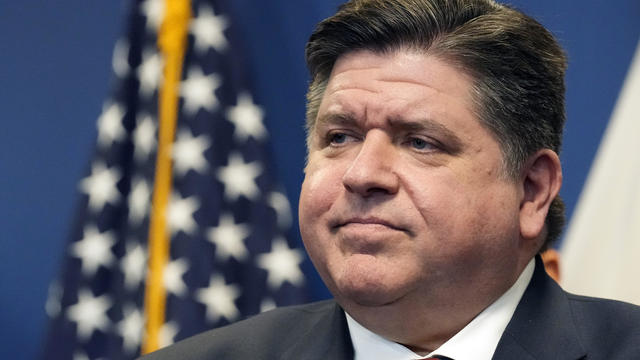
The governor's plan to reduce homelessness is focused on addressing inequities that hurt the Black community.
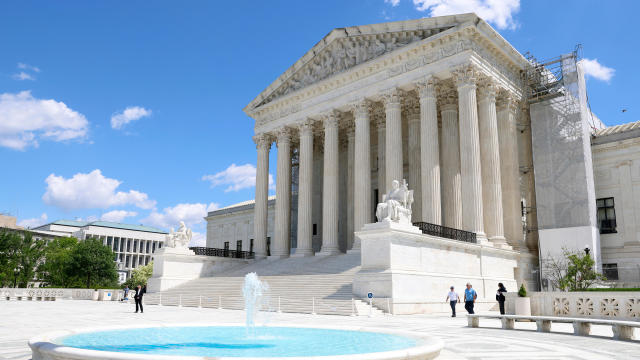
The Supreme Court convened to consider whether former President Donald Trump is entitled to broad immunity from criminal charges in the 2020 election case.
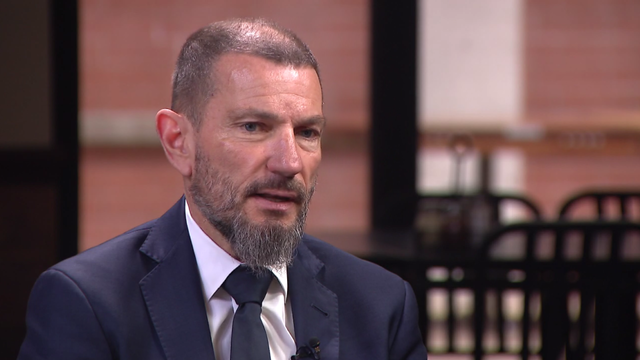
Guidice said he left City Hall on good terms.

Employees at dozens of now-closed Foxtrot Market and Dom's Kitchen stores, now jobless, wonder what comes next for them as their paychecks will soon end.
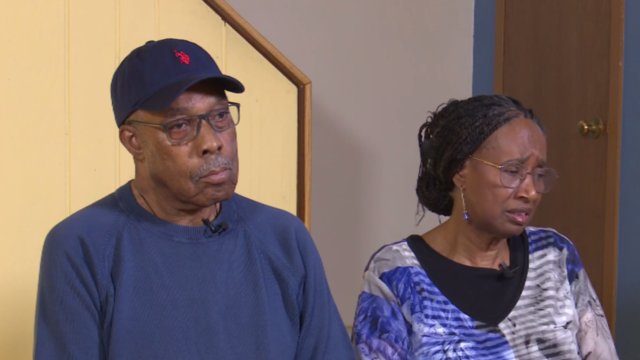
The family didn't get their cut of the estate sale, not hearing back from the salesman until CBS 2 got involved.
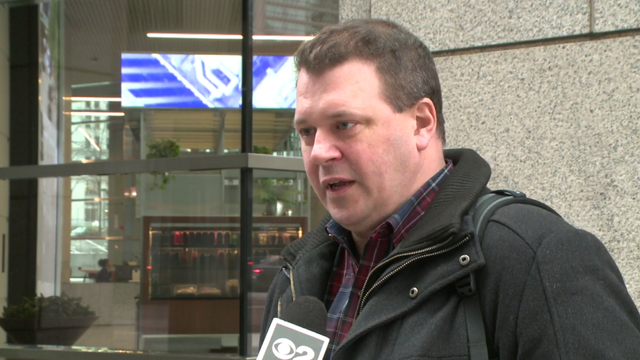
The Better Business Bureau warns that anyone buying an event ticket should watch out for fake ticket scams.
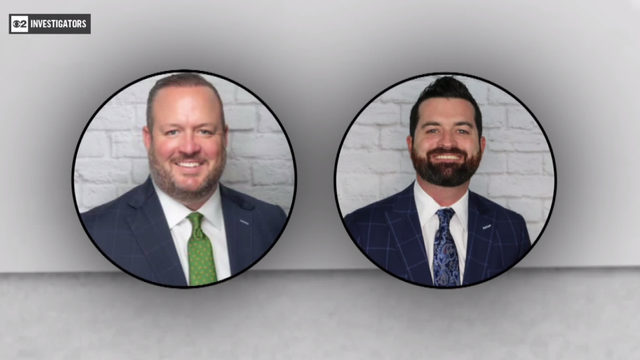
Financial records show Paul Croft and J.D. Frost raised about $30 million for a hydrogen plant that was supposed to be, at one point, in Indiana. It never existed, an attorney says.
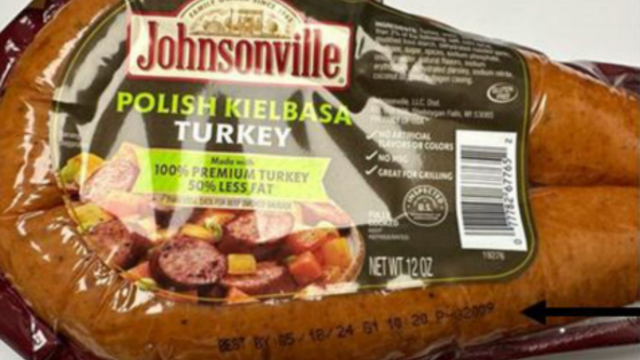
Anyone with these sausages in their refrigerators should throw them away or return them to the store.
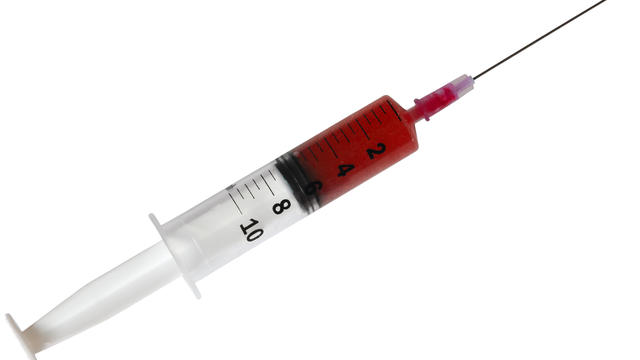
First known HIV cases from a nonsterile injection for cosmetic reasons highlights the risk of unlicensed providers.
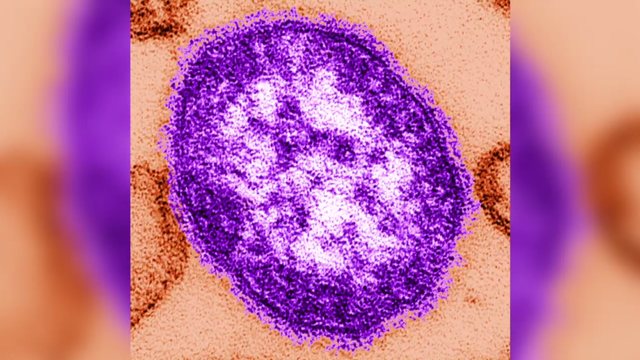
The city's measles dashboard said a total of 63 measles cases have been confirmed in Chicago this year, with one new case this week.
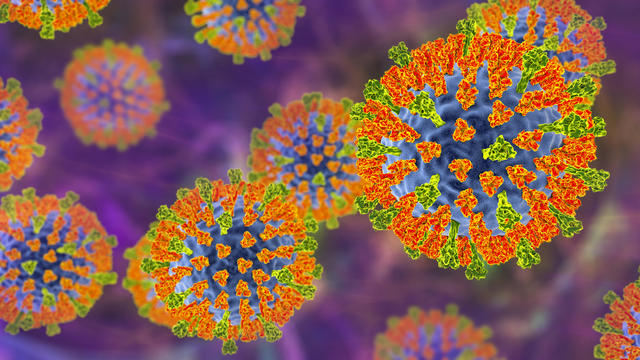
The department said anyone who visited the Sam's Club at 9400 S. Western Ave. in Evergreen Park one day last week may have been exposed to someone with measles.
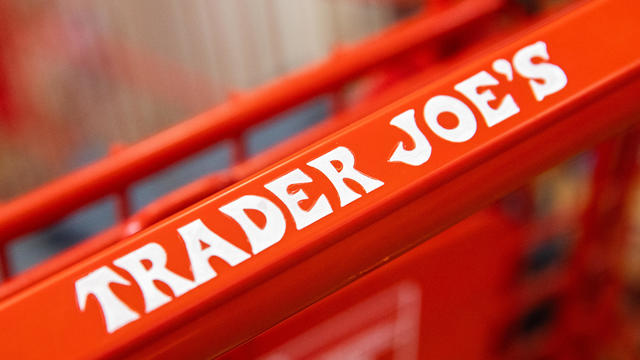
Health officials are warning consumers not to consume Infinite Herbs basil sold at some Trader Joe's and Dierberg's stores after 12 people were sickened.
Officials said there was no known link between this case and the recent outbreak of measles at a migrant shelter in Chicago.

Mayor Brandon Johnson denied that the Bears' shiny new dome could end up costing taxpayers a pretty penny.
Employees at dozens of now-closed Foxtrot Market and Dom's Kitchen stores, now jobless, wonder what comes next for them as their paychecks will soon end.
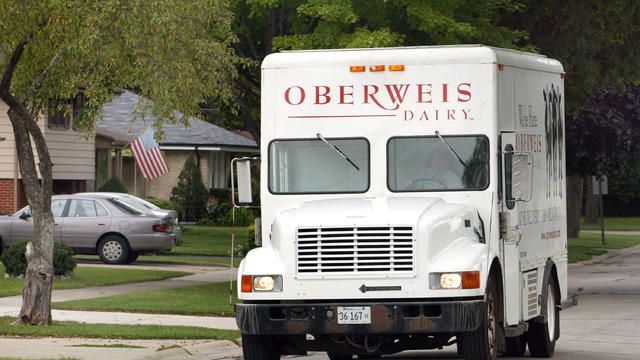
The company announced Tuesday that it received a stalking horse bid to purchase its operating assets.
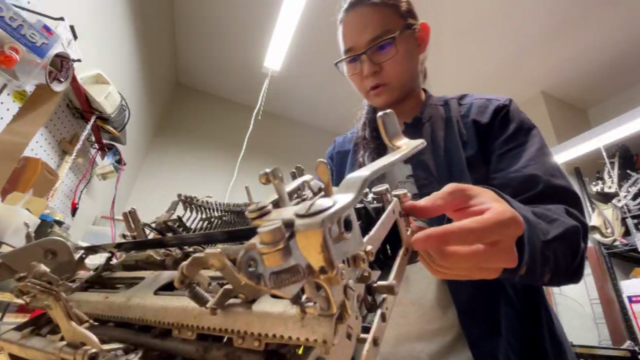
Dozens of typewriters clutter the shelves of the 24-year-old business owner's workshop inside his parents' home in Downers Grove.
The closure affects both Dom's locations in Chicago, and all 33 Foxtrot stores in Chicago, Texas, and the Washington D.C. area.
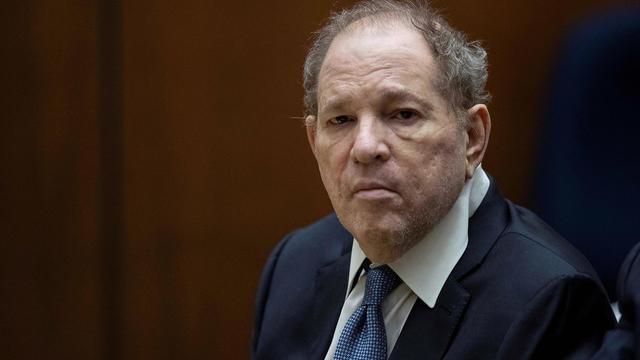
Harvey Weinstein's 2020 conviction on felony sex crime charges has been overturned by the State of New York Court of Appeals.
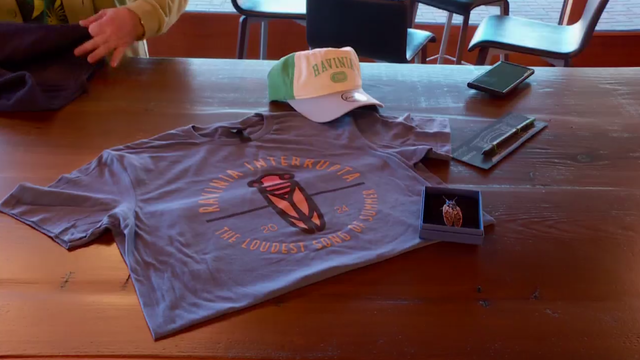
Still, Ravinia is capitalizing on the situation with a limited-edition shirt—reading, "Ravinia Interrupta," and calling the cicada buzz the loudest song of summer.
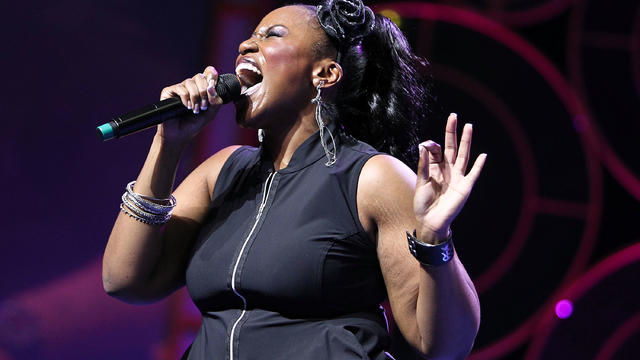
The singer was found deceased at her home, a representative said.
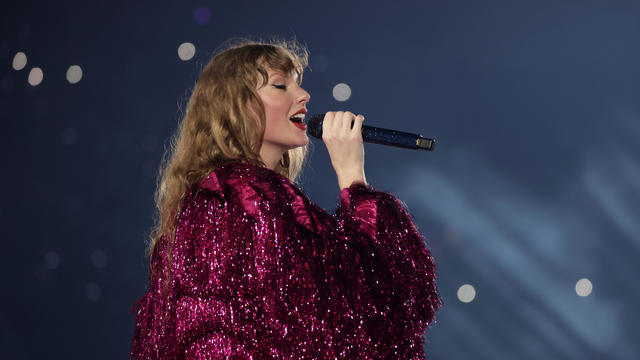
Anticipation was growing at a fever pitch before Taylor Swift's latest album, "The Tortured Poets Department," dropped at midnight EDT. But it turned out it's actually a double album.
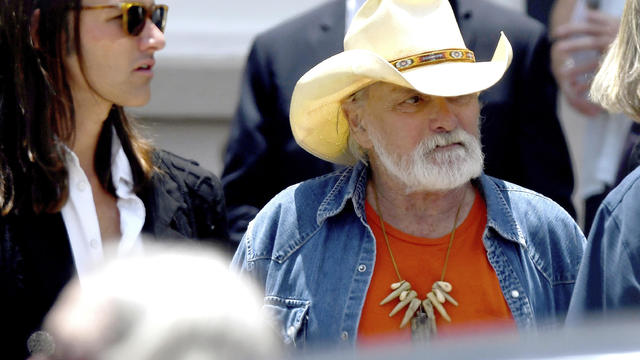
Guitar legend Dickey Betts, who co-founded the Allman Brothers Band and wrote their biggest hit, "Ramblin' Man," has died.
On Sunday, those protesters faced off with pro-Israel demonstrators, and things got very heated at times.
CBS 2 Meteorologist Mary Kay Kleist has the 5:30 p.m. forecast for Sunday, April 28, 2024.
The fundraiser is fittingly called "Be-YOU-tiful." Gigi's Playhouse has served people with Down Syndrome for years. CBS 2's Marissa Perlman was emcee at the fashion show.
It's a painful and emotional process that happens in the shadow of what has become an intense manhunt for his killer.
More arrests were made on college campuses Saturday as some universities seek to close their gates to outsiders, but pro-Palestinian protests and encampments continue to spread.
"We will never feel the same," Luis Huesca's mother said.
Waves of thunderstorms could move into the area between 1 a.m. and 5 a.m.
Parker earned her second MVP award in 2013 and won her first title in 2016 with the Sparks. She'd go on to win a second title with the Chicago Sky in 2021 and a third with the Las Vegas Aces last season
For the second straight day, a large gathering of Cubs fans that made the trip to Fenway Park were unable to wave their "W" flags.
Tensions are escalating in Evanston as hundreds of pro-Palestinian protesters take over Deering Meadow.
Expert panel discussion centers the focus on the disparity that 1 in 3 victims of crime in Chicago is a Black woman
Police arrived at the scene sooner than if they had waited for the first 911 call.
Anthony Robinson's attorney said his previous defense lawyer failed to present evidence that showed it was physically impossible for him to be the shooter.
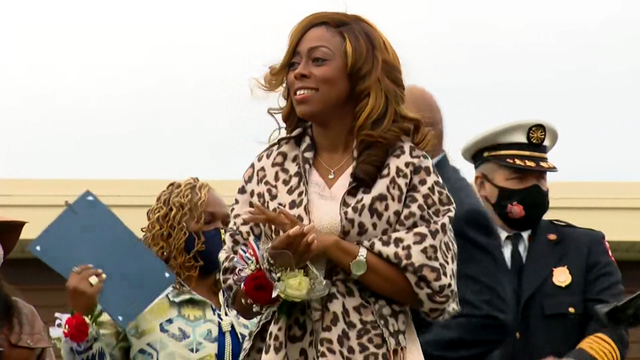
The village board is working on a resolution to hire Lightfoot, a former federal prosecutor before her lone term as Chicago's mayor, to investigate claims Henyard has been misusing public funds.
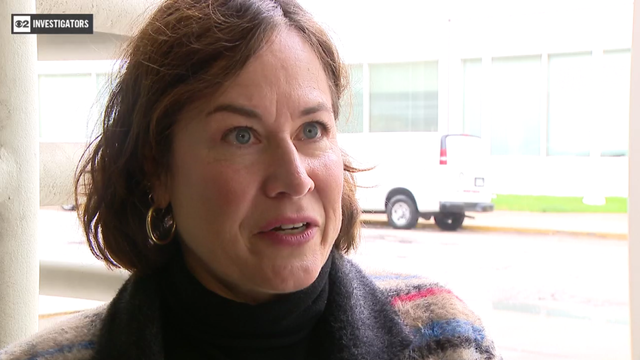
DCFS Director Heidi Mueller was asked Thursday why some kids in the system are being held in psychiatric hospitals longer than medically necessary.
For the second straight day, a large gathering of Cubs fans that made the trip to Fenway Park were unable to wave their "W" flags.
Chicago improved to 6-22. It outscored Tampa Bay 21-13 this weekend.
Parker earned her second MVP award in 2013 and won her first title in 2016 with the Sparks. She'd go on to win a second title with the Chicago Sky in 2021 and a third with the Las Vegas Aces last season

The NFL draft has a new attendance record after more than 700,000 fans flooded downtown Detroit for the three-day event.
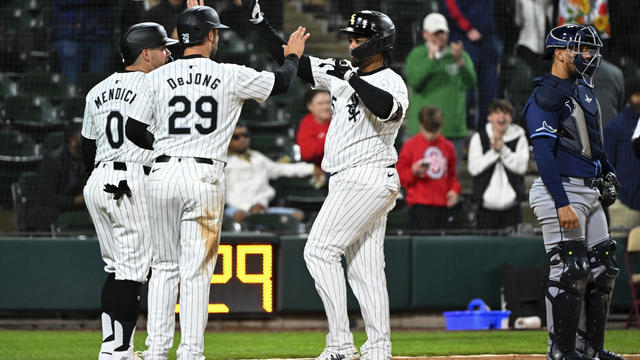
The nine runs were a season-high for the Sox.
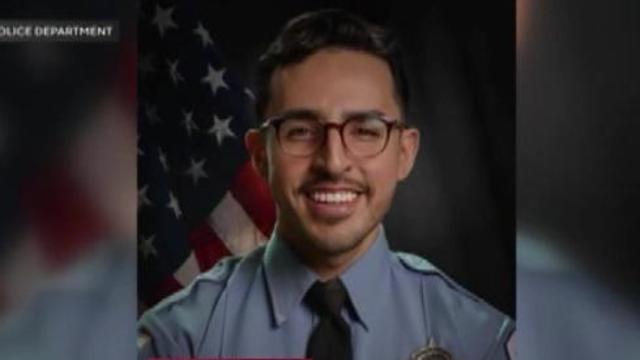
Xavier Tate Jr., 22, is charged with first-degree murder in an arrest warrant filed Friday.
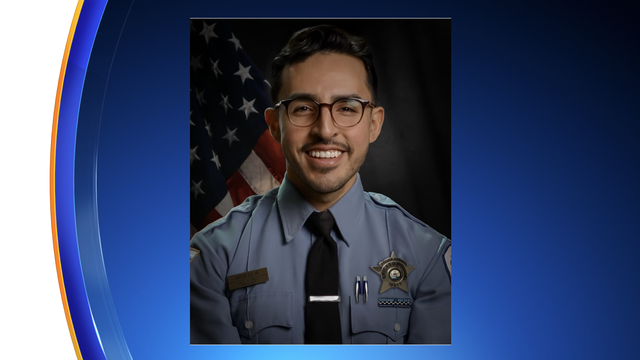
The warrant accused Xavier Tate of firing a .40-caliber handgun and killing Huesca.
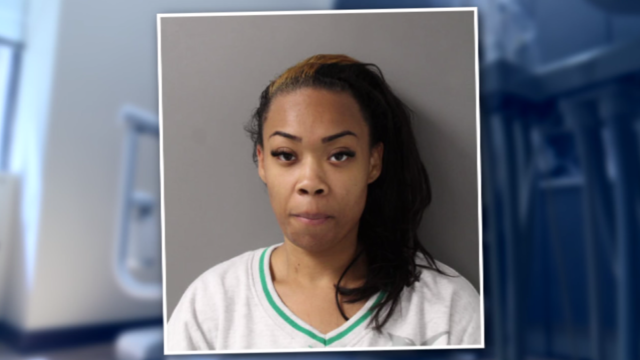
It was not Monica Davis' first run-in with the law after allegedly practicing dentistry without a license in Nevada.
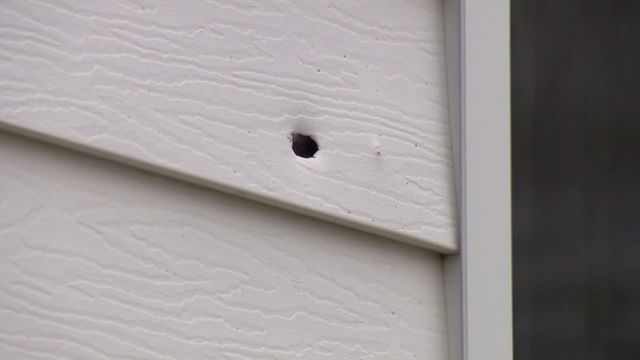
On Thursday afternoon, 20-year-old Caden Mura was shot and killed after police said he fired at officers.

A spokesperson for the City of Harvey confirmed that the offender was the victim's niece.