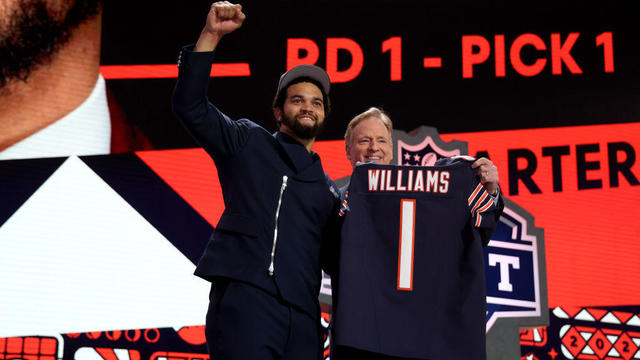
Bears draft USC's Caleb Williams No. 1 overall in NFL Draft
It's a decision that has been widely projected as a virtual lock for this NFL Draft, especially after the Bears traded away Justin Fields to the Steelers.
Watch CBS News

Breaking News, First Alert Weather, Exclusive Investigations & Community Journalism
It's a decision that has been widely projected as a virtual lock for this NFL Draft, especially after the Bears traded away Justin Fields to the Steelers.
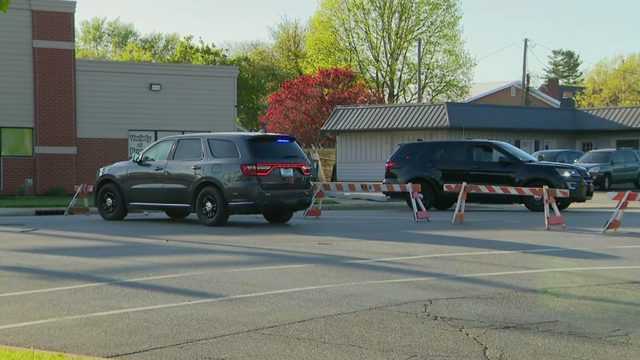
Both Valparaiso and Porter County Sheriff's police were involved.
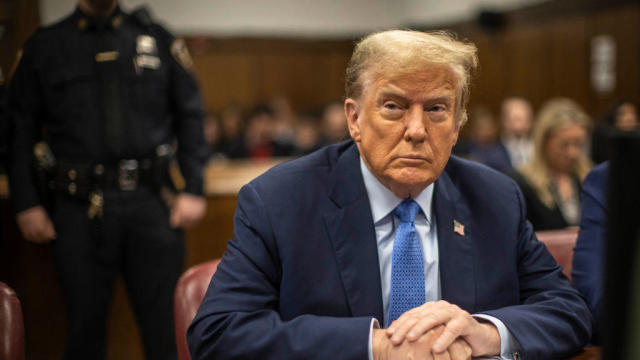
Follow live updates as former President Donald Trump's criminal trial continues in New York.
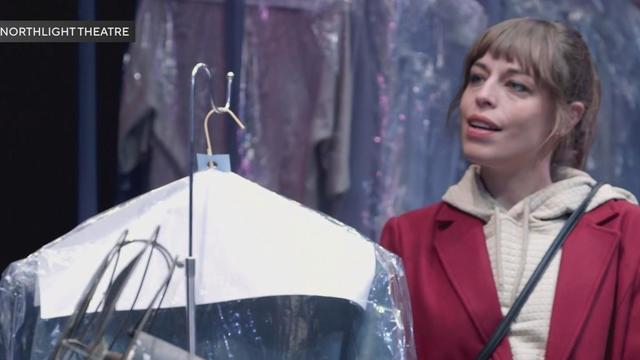
"I think people are rich. And I'm the little bank robber who's coming and taking a small piece of what they're doing."
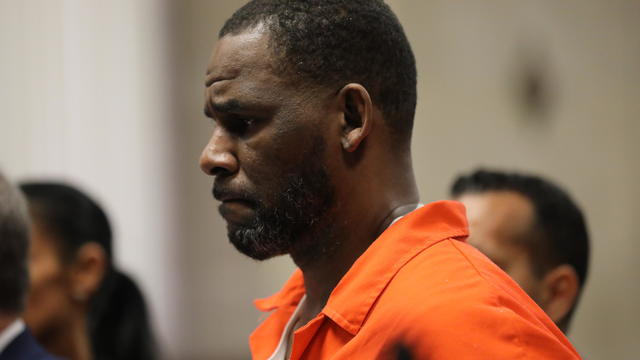
A federal appeals court rejected arguments from Kelly's attorneys that his indictment on child pornography and child enticement charges was filed after the statute of limitations had expired, and that his 20-year sentence was "unduly harsh."
Tylor Hyde was convicted on the offenses of aggravated battery, aggravated assault of a peace officer, resisting or obstructing a peace officer, and resisting or obstructing a peace officer causing injury
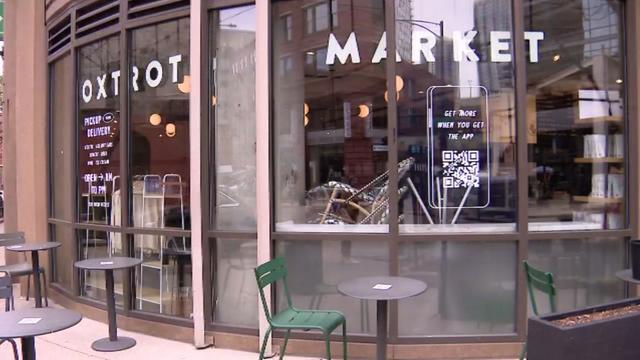
Arise Chicago, a workers' rights organization, said Friday that they have filed charges with the Illinois Department of Labor on the former Foxtrot employees' behalf.

The winner won $1 million from the ticket that was given to her by a regular customer.

Breaking News, First Alert Weather, Exclusive Investigations & Community Journalism
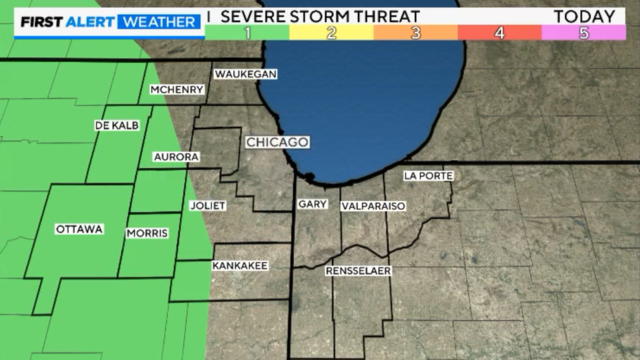
The rain starts Friday afternoon with highs in the 60s.

CBS 2 News Chicago's weather forecast model — First Alert — helps digital users and traditional television viewers stay on top of Chicago's dynamic weather.
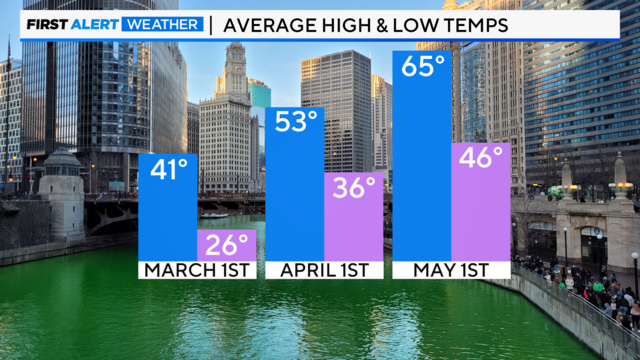
The emergence of greenery and blossoms is underway soon as El Niño fades away, and we transition to a neutral weather pattern.
Expert panel discussion centers the focus on the disparity that 1 in 3 victims of crime in Chicago is a Black woman
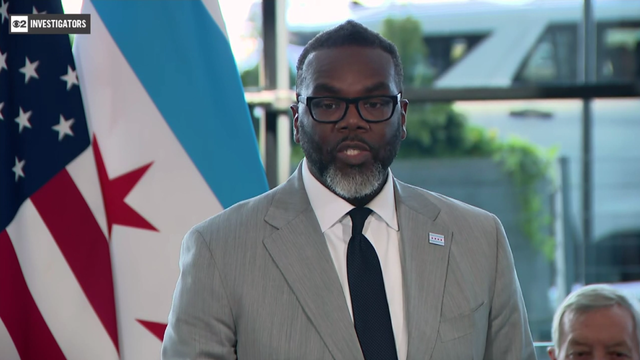
Police arrived at the scene sooner than if they had waited for the first 911 call.
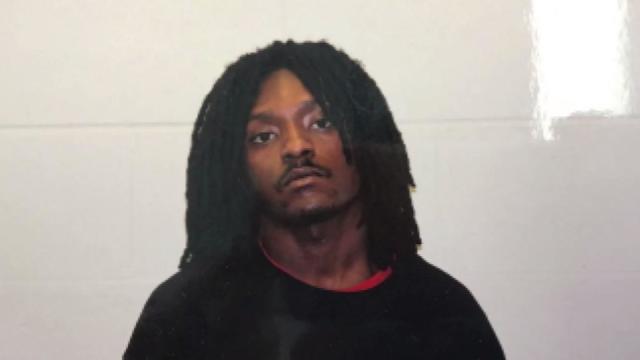
Anthony Robinson's attorney said his previous defense lawyer failed to present evidence that showed it was physically impossible for him to be the shooter.
CBS 2 is partnering with local schools for the United Way’s April Food Day.
CBS 2 is partnering with local schools for the United Way’s April Food Day.
Check out C2E2 in Chicago. CBS 2's Jackie Kostek takes an inside look.
CBS 2's Jackie Kostek is jumpstarting your morning at C2E2 at McCormick Place.
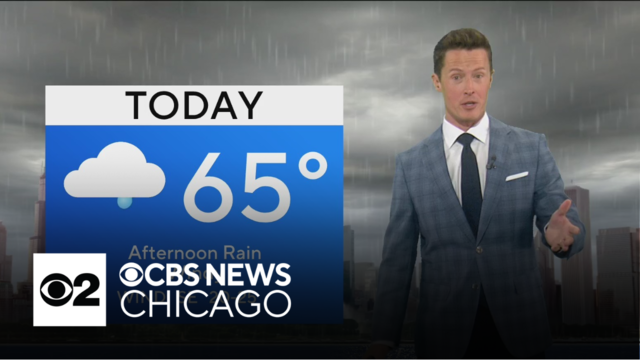
The rain starts Friday afternoon with highs in the 60s. Some thunderstorms are possible later in the day.
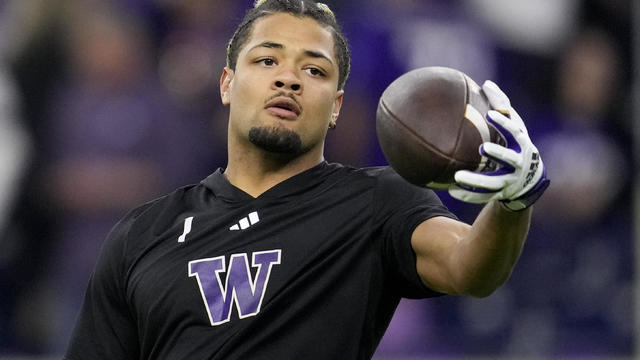
Odunze was a star receiver at Washington and is coming off a year with 92 receptions and more than 1,600 yards, earning him All-American honors.

Williams represents the organization's best hope at finally having a franchise quarterback for the first time since Harry Truman was president.
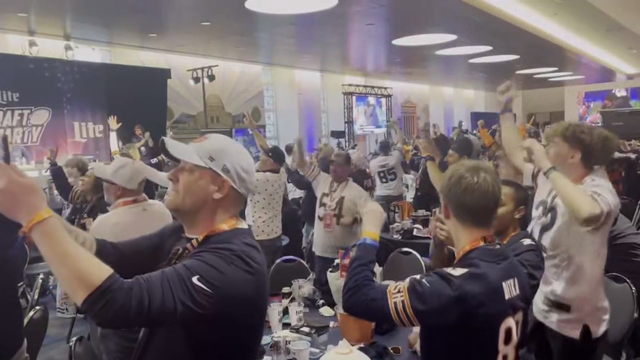
Fans were in attendance at a big draft day party at Soldier Field Thursday night.
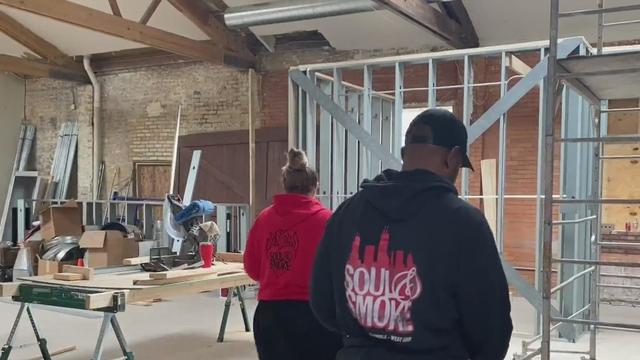
Soul and Smoke's flagship shop is currently undergoing renovations inside of an old barn in Evanston - a canvas that's becoming increasingly less blank.
Expert panel discussion centers the focus on the disparity that 1 in 3 victims of crime in Chicago is a Black woman
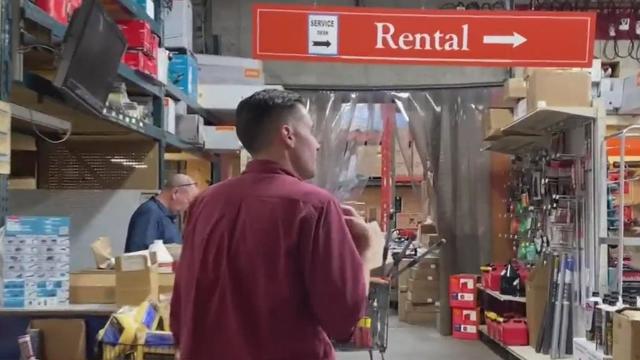
Clark Devon Hardware was owned by one family for 99 years. When they decided to sell, it wasn't to a new investor but to their staff. Now, a year later, the shop is proudly owned by their team of 65 employees.
Follow live updates as former President Donald Trump's criminal trial continues in New York.
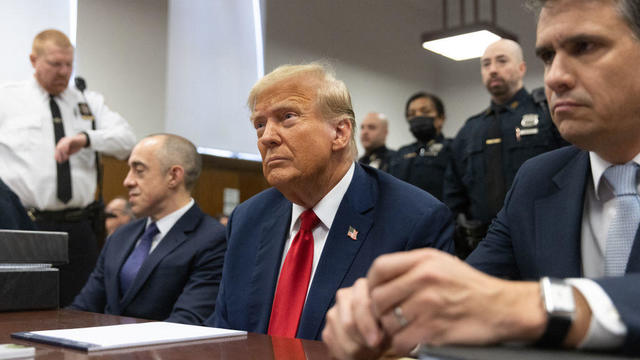
Former National Enquirer boss David Pecker appeared on the stand for the third day, detailing an agreement the tabloid made with a former Playboy model.
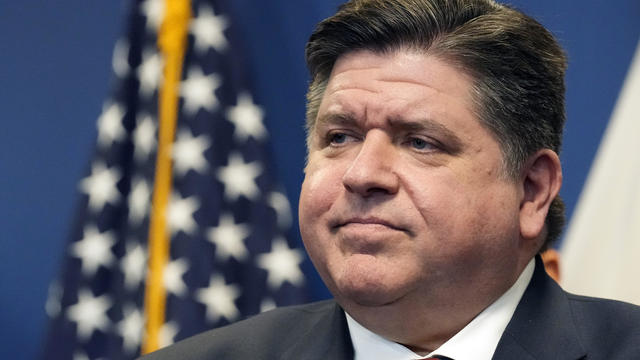
The governor's plan to reduce homelessness is focused on addressing inequities that hurt the Black community.
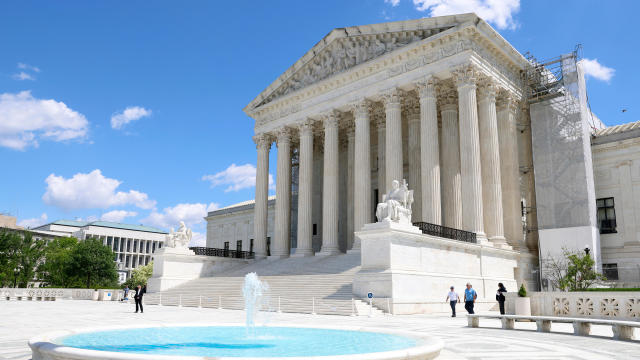
The Supreme Court convened to consider whether former President Donald Trump is entitled to broad immunity from criminal charges in the 2020 election case.
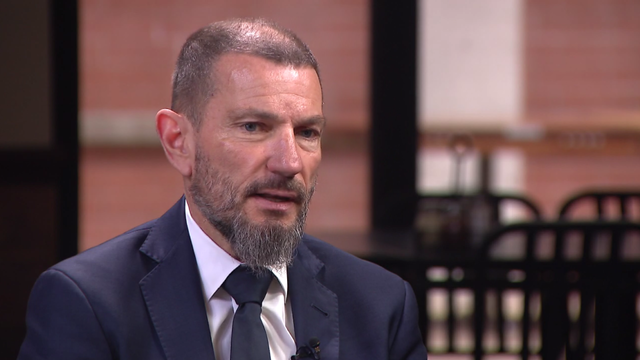
Guidice said he left City Hall on good terms.
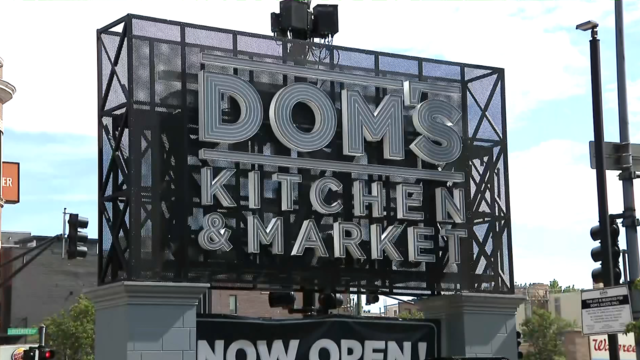
Employees at dozens of now-closed Foxtrot Market and Dom's Kitchen stores, now jobless, wonder what comes next for them as their paychecks will soon end.
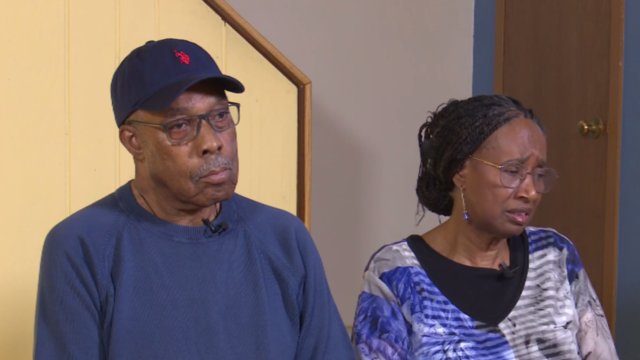
The family didn't get their cut of the estate sale, not hearing back from the salesman until CBS 2 got involved.
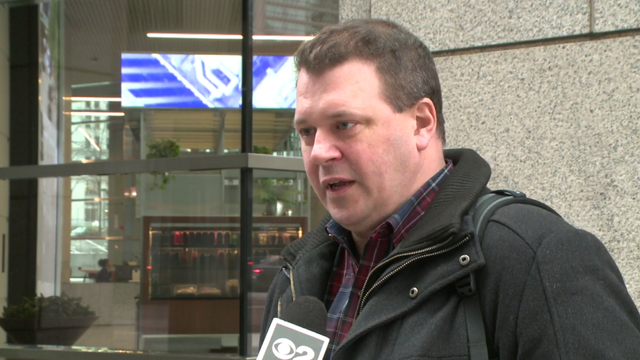
The Better Business Bureau warns that anyone buying an event ticket should watch out for fake ticket scams.
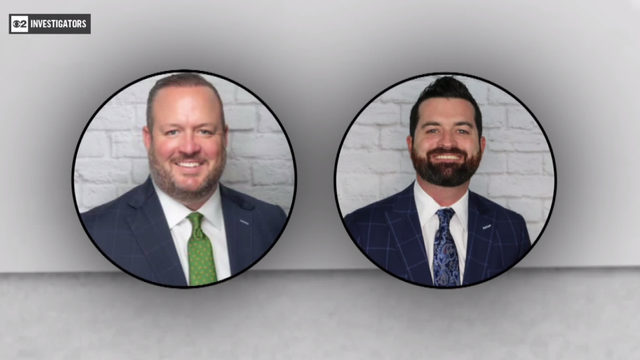
Financial records show Paul Croft and J.D. Frost raised about $30 million for a hydrogen plant that was supposed to be, at one point, in Indiana. It never existed, an attorney says.
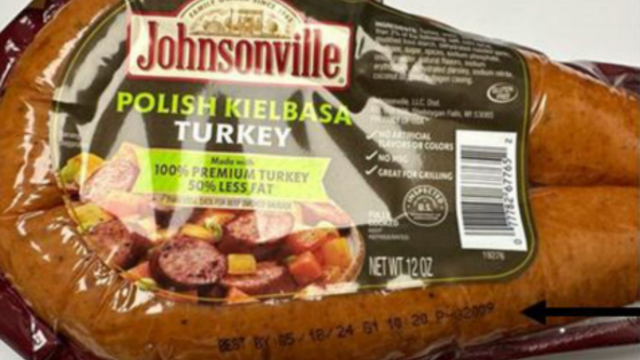
Anyone with these sausages in their refrigerators should throw them away or return them to the store.
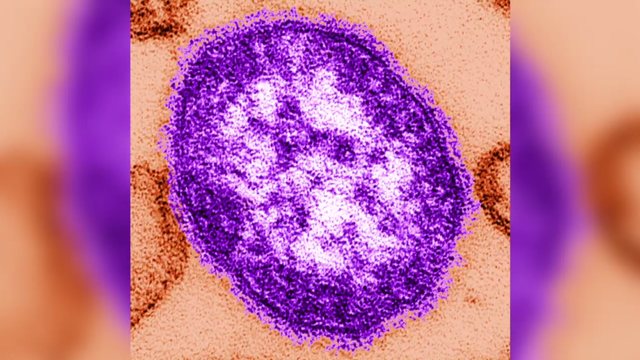
The city's measles dashboard said a total of 63 measles cases have been confirmed in Chicago this year, with one new case this week.
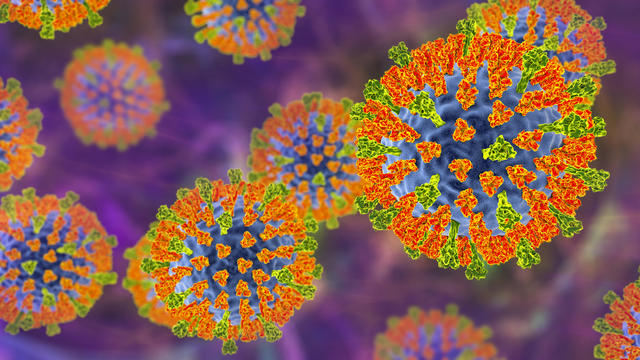
The department said anyone who visited the Sam's Club at 9400 S. Western Ave. in Evergreen Park one day last week may have been exposed to someone with measles.
Health officials are warning consumers not to consume Infinite Herbs basil sold at some Trader Joe's and Dierberg's stores after 12 people were sickened.
Officials said there was no known link between this case and the recent outbreak of measles at a migrant shelter in Chicago.
Health department officials said the case does not appear to be linked to new migrant arrival shelters in Chicago, and the source of infection is unknown.

Mayor Brandon Johnson denied that the Bears' shiny new dome could end up costing taxpayers a pretty penny.
Employees at dozens of now-closed Foxtrot Market and Dom's Kitchen stores, now jobless, wonder what comes next for them as their paychecks will soon end.
The company announced Tuesday that it received a stalking horse bid to purchase its operating assets.
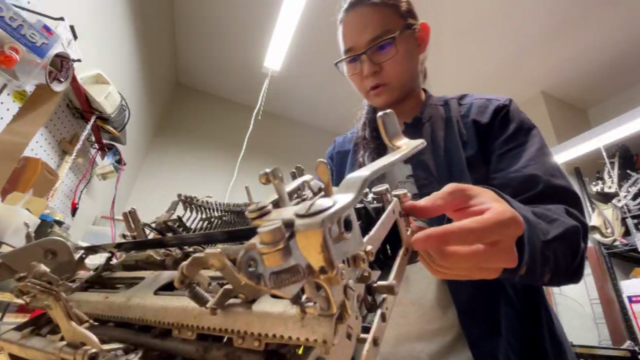
Dozens of typewriters clutter the shelves of the 24-year-old business owner's workshop inside his parents' home in Downers Grove.
The closure affects both Dom's locations in Chicago, and all 33 Foxtrot stores in Chicago, Texas, and the Washington D.C. area.
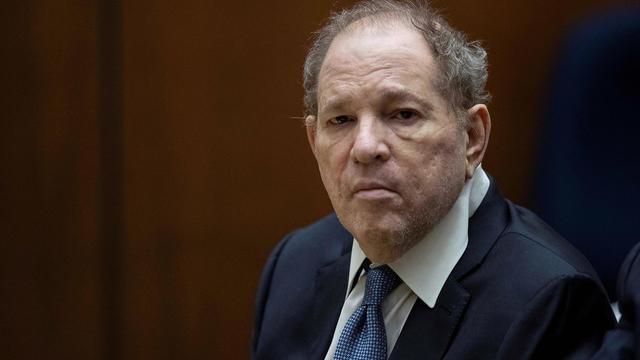
Harvey Weinstein's 2020 conviction on felony sex crime charges has been overturned by the State of New York Court of Appeals.
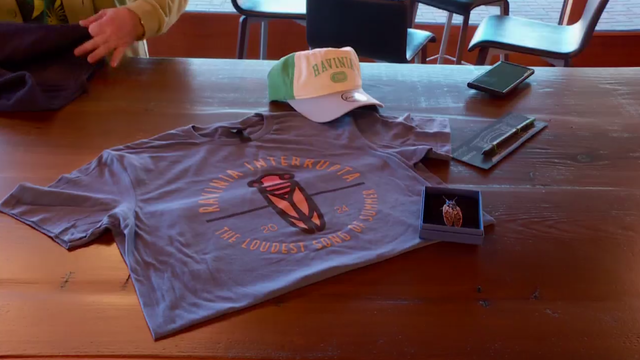
Still, Ravinia is capitalizing on the situation with a limited-edition shirt—reading, "Ravinia Interrupta," and calling the cicada buzz the loudest song of summer.
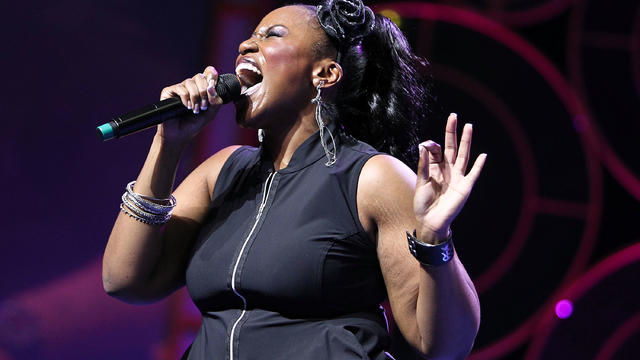
The singer was found deceased at her home, a representative said.
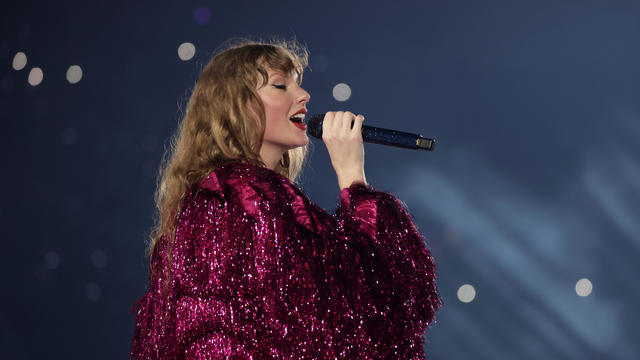
Anticipation was growing at a fever pitch before Taylor Swift's latest album, "The Tortured Poets Department," dropped at midnight EDT. But it turned out it's actually a double album.
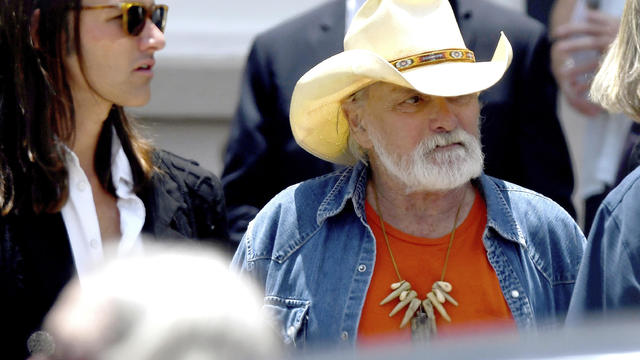
Guitar legend Dickey Betts, who co-founded the Allman Brothers Band and wrote their biggest hit, "Ramblin' Man," has died.
CBS 2 is partnering with local schools for the United Way’s April Food Day.
CBS 2 is partnering with local schools for the United Way’s April Food Day.
Check out C2E2 in Chicago. CBS 2's Jackie Kostek takes an inside look.
CBS 2's Jackie Kostek is jumpstarting your morning at C2E2 at McCormick Place.
The rain starts Friday afternoon with highs in the 60s. Some thunderstorms are possible later in the day.
It's a decision that has been widely projected as a virtual lock for this NFL Draft, especially after the Bears traded away Justin Fields to the Steelers.
Both Valparaiso and Porter County Sheriff's police were involved.
Follow live updates as former President Donald Trump's criminal trial continues in New York.
"I think people are rich. And I'm the little bank robber who's coming and taking a small piece of what they're doing."
A federal appeals court rejected arguments from Kelly's attorneys that his indictment on child pornography and child enticement charges was filed after the statute of limitations had expired, and that his 20-year sentence was "unduly harsh."
Expert panel discussion centers the focus on the disparity that 1 in 3 victims of crime in Chicago is a Black woman
Police arrived at the scene sooner than if they had waited for the first 911 call.
Anthony Robinson's attorney said his previous defense lawyer failed to present evidence that showed it was physically impossible for him to be the shooter.
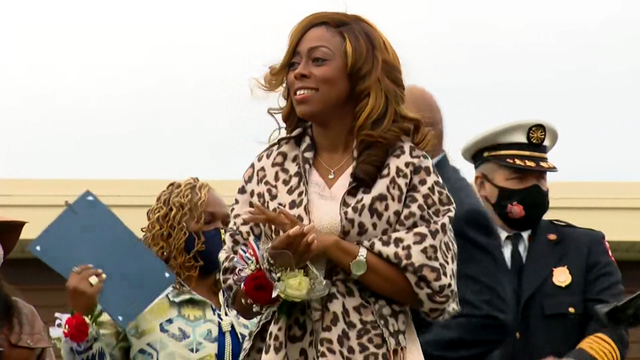
The village board is working on a resolution to hire Lightfoot, a former federal prosecutor before her lone term as Chicago's mayor, to investigate claims Henyard has been misusing public funds.
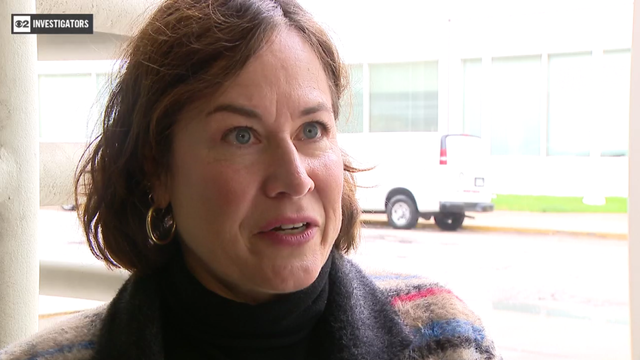
DCFS Director Heidi Mueller was asked Thursday why some kids in the system are being held in psychiatric hospitals longer than medically necessary.
Odunze was a star receiver at Washington and is coming off a year with 92 receptions and more than 1,600 yards, earning him All-American honors.
Williams represents the organization's best hope at finally having a franchise quarterback for the first time since Harry Truman was president.
Fans were in attendance at a big draft day party at Soldier Field Thursday night.
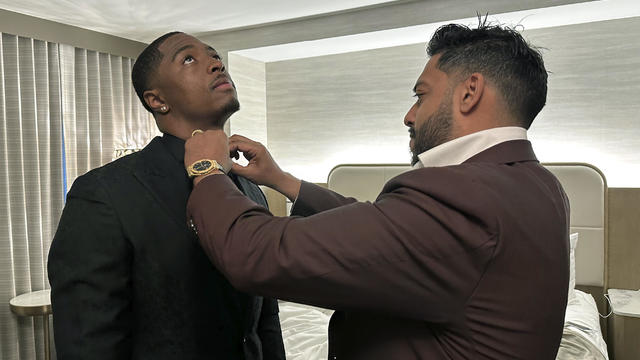
The NFL draft gives players a chance to show their style and many take advantage with custom-made suits.
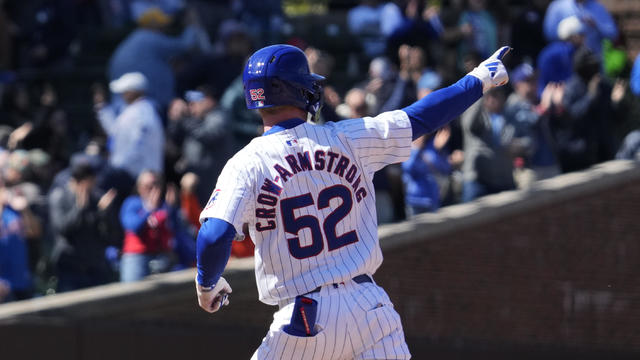
Pete Crow-Armstrong hit a tiebreaking two-run homer for his first major league hit, and the Chicago Cubs swept the Houston Astros with a 3-1 victory.
Indiana State, Porter County Sheriff's, and Valparaiso police officers saturated the neighborhood where it all happened Thursday afternoon.
Expert panel discussion centers the focus on the disparity that 1 in 3 victims of crime in Chicago is a Black woman
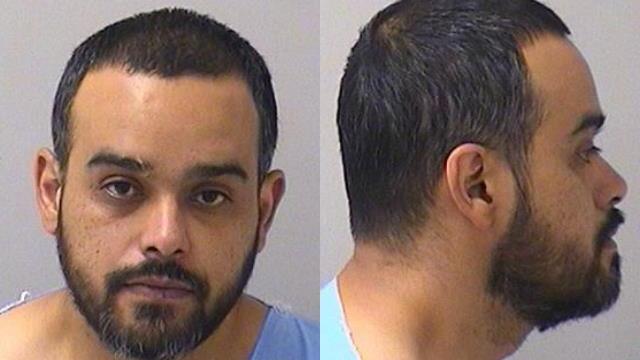
Victor Ayllon pleaded guilty last week to first-degree murder in the death of his wife, Wendy, according to Kane County court records.
Harvey Weinstein's 2020 conviction on felony sex crime charges has been overturned by the State of New York Court of Appeals.

Such crimes are more than a nuisance. A slashed tire is an expensive problem to fix.