Nov 19, 2007 10:47 pm US/Central
Exploring The Environmental Costs Of Bottled Water
Politicians, Activists Hoping To Reduce Bottled Water Consumption Through Taxes, Awareness
CHICAGO (CBS) ―
The bottled water industry is booming and people everywhere can be spotted toting water bottles, but it's also become a target for environmentalists and government agencies.
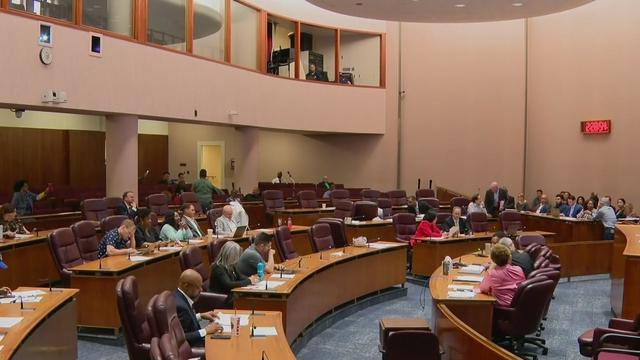
The Chicago City Council recently approved a five-cent tax per bottle. CBS 2's Antonio Mora reports on why some people are bagging the bottles.

"Other parts of the country would pay dearly to have the water that we have and are able to drink day in and day out," said Cameron Davis of Alliance for the Great Lakes, a conservation group.
So why in the world are we spending a fortune to drink bottled water? The numbers are staggering. Last year, Americans bought almost 35 billion bottles of non-sparkling water.
"Three out of four Americans drink bottled water, one out of five drinks only bottled water," said Elizabeth Martin Craig of Think Outside the Bottle.
And most of those bottles, some 30 billion of them, got dumped in landfills. Those discarded bottles would reach all the way to the moon and back eight times if lined up top to bottom.
"It is devastating to the environment," said Cook County Commissioner Mike Quigley. "We're contributing to global warming and we're also forcing a far greater dependence on foreign oil."
In fact, crude oil is used to make the plastic for the bottles, and to transport them to the store. It adds up to 1 1/2 million barrels each year enough to fuel 100,000 cars for a full year.
Bottled water costs more than gasoline and hundreds, even thousands of times more than tap water.
Many experts say we've been bamboozled by advertisers.
"It's something to pat the marketing people on the back for, that they've been able to create this demand," said Carl Tigchelaar, president of Resource Management Companies.
Some people think bottled water is safer, but, the truth is, tap water is more stringently monitored and regulated.
And what about taste? CBS 2 put a name-brand water to the test against filtered water from the tap. Almost two-thirds of our 40 testers either preferred the tap water or couldn't tell the difference.
Industry representatives, though, insist their products are healthy and environmentally friendly.
"The industry has done an awful lot to minimize what our environmental footprint is in terms of lightweighting the bottle itself and the packaging," said Tim Bramlet, executive director of the Illinois Beverage Association. "We reduced it by nearly a half."
The industry is also investing millions in recycling. Even so, less than 20 percent of all bottles get recycled, despite great demand for the plastic, which can be turned into everything from other bottles to carpets and clothes.
"It goes from being a rigid plastic in the bottle to a fibrous material, much like cotton or wool," said Calvin Tigchelaar of Resource Management Company.
The other cheaper and environmentally sound solution is to get a good reusable container and keep filling it up with free water from Lake Michigan.
Experts we talked to say if you're going to get a reusable bottle buy a stainless steel or aluminum one and wash it frequently. If you're going to buy a reusable plastic bottle, it's best to get one that has a number two on the bottom.
The City of Chicago plans on making a big push for reusable bottles when the five-cent per plastic bottle tax goes into effect in January.
cbs2chicago.com's Most Popular Pages
Slideshow: The Search For Stacy Peterson
Slideshow: People's Sexiest Men Alive
Slideshow: '90s TV Stars Then & Now
Slideshow: World's Most Bizarre Deaths
Slideshow: In To Be Out: Gay Celebrities
Slideshow: Did You Know? Stars From Chicago!
(© MMIX, CBS Broadcasting Inc. All Rights Reserved.)