
Dozens of pro-Palestinian protesters arrested at Art Institute in downtown Chicago
Pro-Palestinian demonstrators have moved beyond college campuses, setting their sights on one of downtown Chicago's most well-known landmarks.
Watch CBS News

Breaking News, First Alert Weather, Exclusive Investigations & Community Journalism
Pro-Palestinian demonstrators have moved beyond college campuses, setting their sights on one of downtown Chicago's most well-known landmarks.
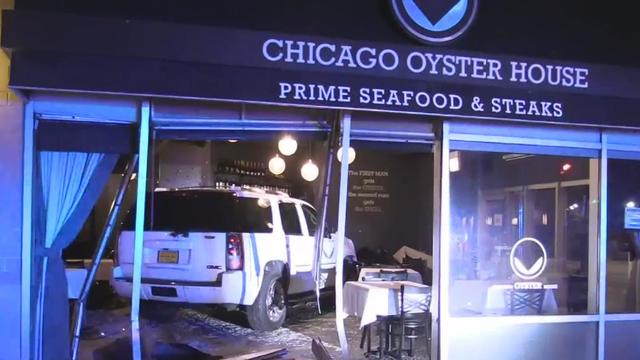
The crash happened at the Chicago Oyster House at 1933 S. Indiana Ave. just before 3 a.m.
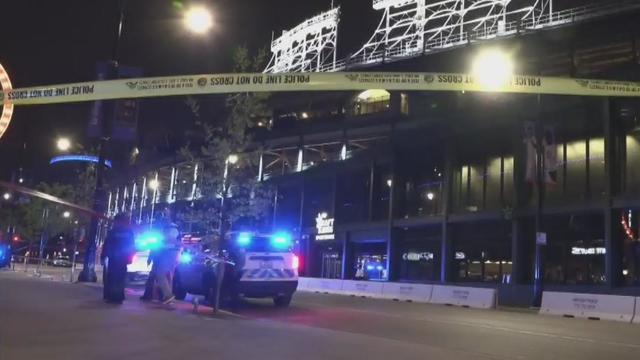
The victims told police they were shot by an unknown man who left the scene in a dark-colored SUV.
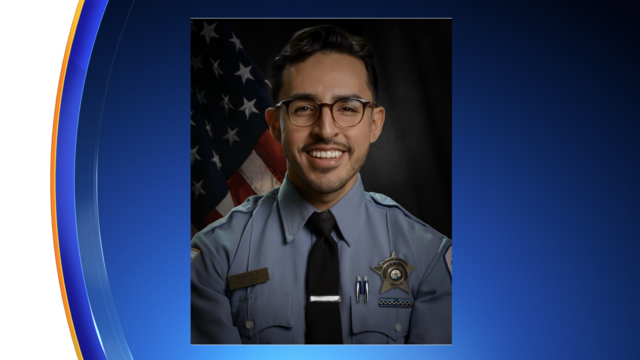
Police said they do not have any evidence that Xavier Tate Jr. targeted Officer Luis Huesca because he was an officer.
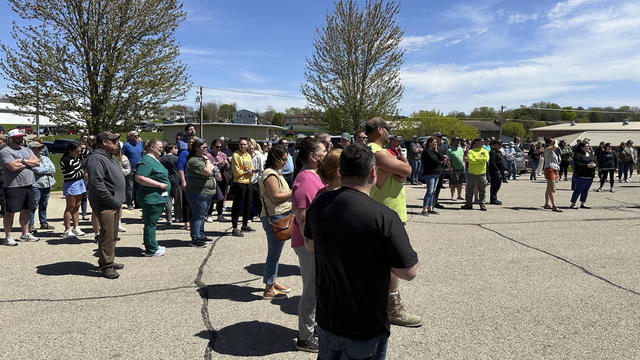
Police in Wisconsin fatally shot a student who had pointed a pellet rifle in their direction outside a middle school, according to the state's Department of Justice.

"Sunday Morning" has an exclusive behind-the-scenes look at the creation of the country singer's first post-stroke song, "Where That Came From," which blends art with artificial intelligence in a recording that captures Travis' country heart.
Chicago police said around 1:12 a.m., officers responded to the crash in the 9500 block of South Paxton Avenue and found a silver sedan that was struck by a red SUV at an intersection.
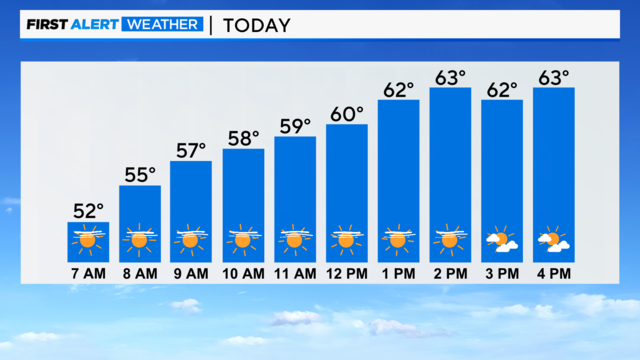
Highs in the 60s with cooler lakeside readings in the 50s.

Breaking News, First Alert Weather, Exclusive Investigations & Community Journalism
Highs in the 60s with cooler lakeside readings in the 50s.

CBS 2 News Chicago's weather forecast model — First Alert — helps digital users and traditional television viewers stay on top of Chicago's dynamic weather.
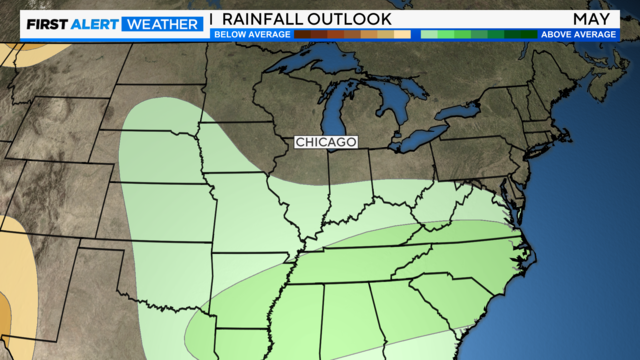
As the climate warms, May rainfall is getting heavier in Chicago.

Expert panel discussion centers the focus on the disparity that 1 in 3 victims of crime in Chicago is a Black woman
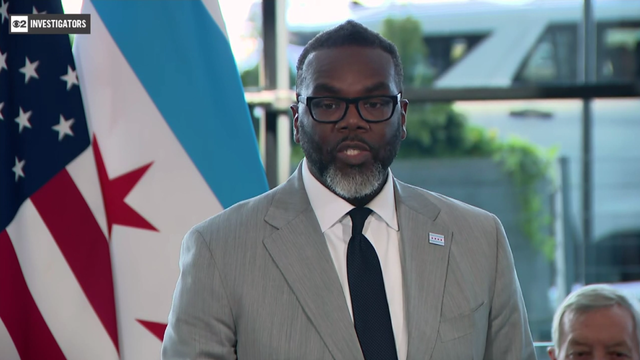
Police arrived at the scene sooner than if they had waited for the first 911 call.
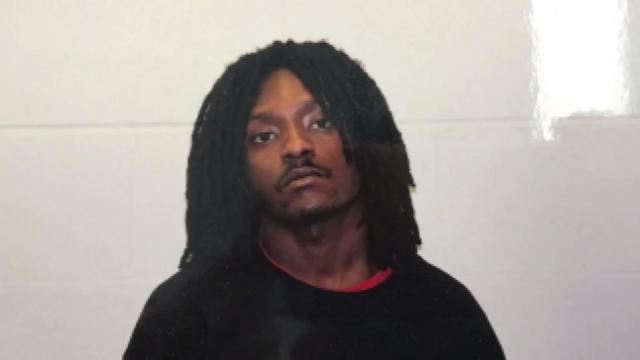
Anthony Robinson's attorney said his previous defense lawyer failed to present evidence that showed it was physically impossible for him to be the shooter.

From a launch party for an organization dedicated to combating the nutritional and educational gaps to a field of colorful tulips in Spring Grove. Here's what caught Suzanne Le Mignot and Laura Bannon's eye this week.
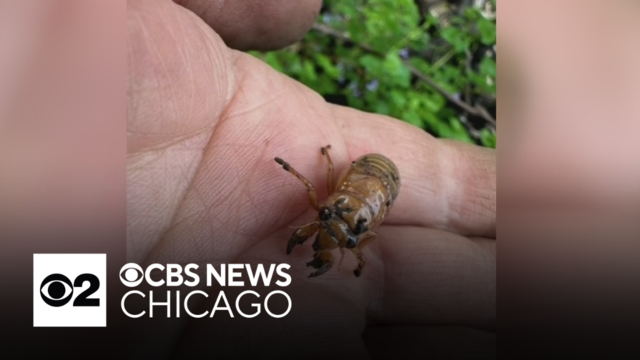
Viewer Steve Veach from Des Plaines shared photos of the insect and the dirt mounds found underneath a wheelbarrow, where the bugs are coming out of the ground.
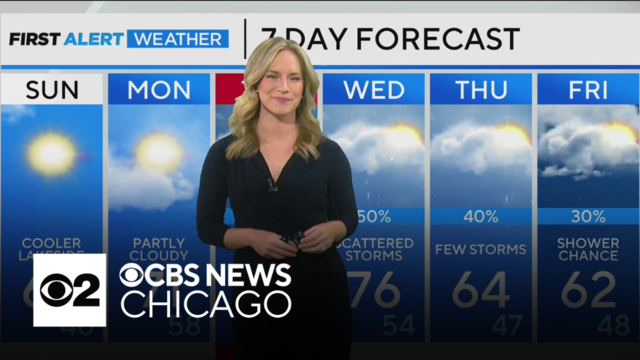
A cool, refreshing finish to the weekend with highs in the 60s and cooler lakeside readings in the 50s.

Sixty-eight protesters were arrested for trespassing. The arrests came after hours of negotiations by officials who say they tried to offer an alternate site.
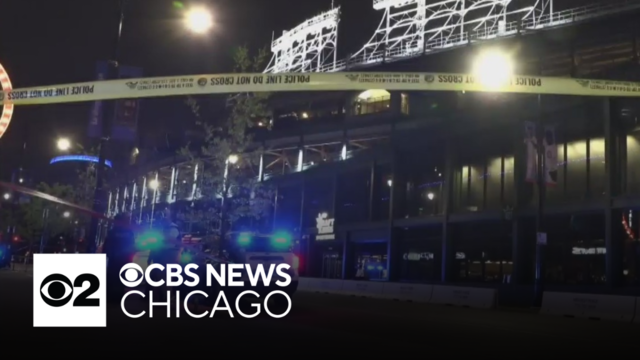
Chicago police said officers responded to the scene and found a man, 37, and a woman, 36, who were each struck in the leg by gunfire.

Tanner Banks came on after a three-hour rain delay to strike out pinch-hitter Iván Herrera in the bottom of the 10th inning.

hicago tied its first divisional series of the year at one apiece in manager Craig Counsell's first series against his former team.
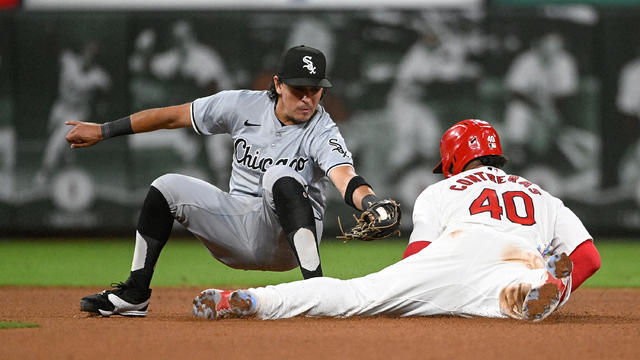
The White Sox lost their fourth game in a row. It was the ninth time they were shut out this season.
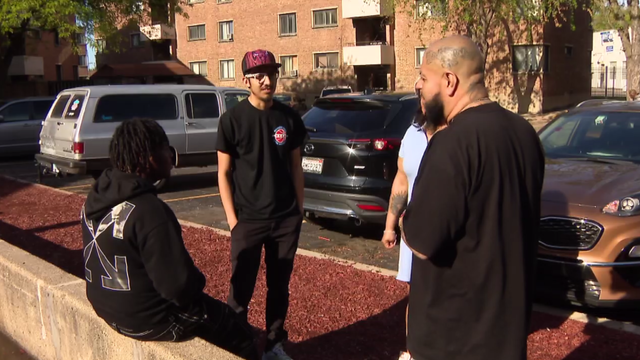
Activists based in Pilsen on the city's West Side and Greater Grand Crossing on the city's South Side stood together Friday – issuing a plea to put down the guns this Cinco de Mayo.
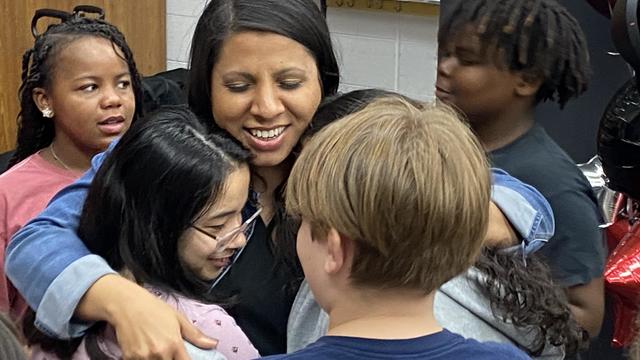
Dr. Rachael Mahmood was among 13 finalists from across the state.
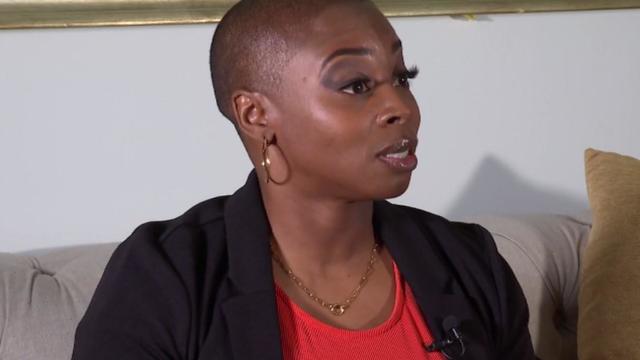
Tomitra Fluker, a Reclaim 13 survivor advocate who was trafficked by a close family member, wears her trauma proudly.

"My vision for the DNC, ultimately, is to have a safe, energetic, vibrant convention, and I'm confident we will be able to deliver that," Johnson said.
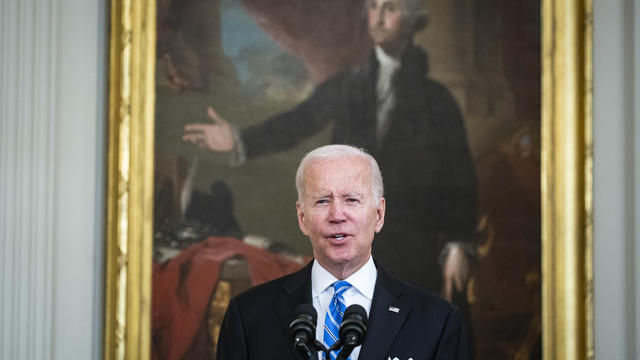
President Biden awarded the Presidential Medal of Freedom, the nation's highest civilian honor, to 19 recipients.
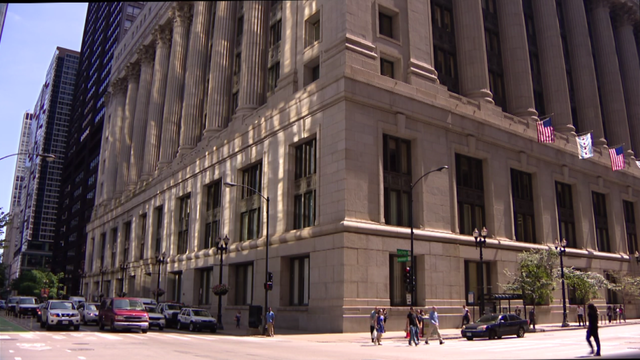
The CBS 2 Investigators analyzed more than 1 million rows of city budget office data. The data showed the five key city departments that relied on overtime the most.

Joshua Dean was a quality inspector at Spirit AeroSystems, which builds the bulk of the 737 Max for Boeing, and recently died from a fast-spreading infection.
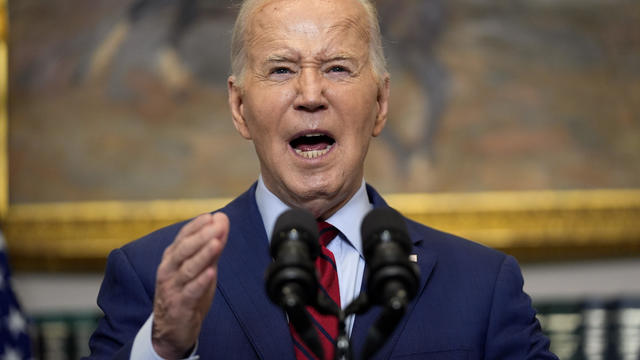
President Biden said "no," the National Guard should not intervene in the protests.

Employees at dozens of now-closed Foxtrot Market and Dom's Kitchen stores, now jobless, wonder what comes next for them as their paychecks will soon end.
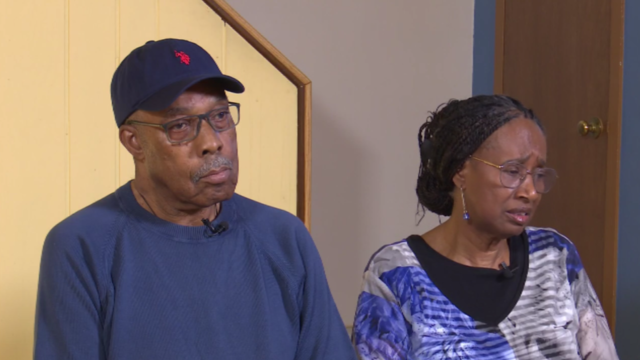
The family didn't get their cut of the estate sale, not hearing back from the salesman until CBS 2 got involved.
The Better Business Bureau warns that anyone buying an event ticket should watch out for fake ticket scams.
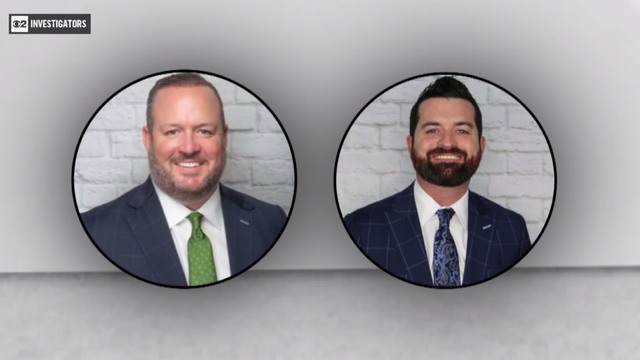
Financial records show Paul Croft and J.D. Frost raised about $30 million for a hydrogen plant that was supposed to be, at one point, in Indiana. It never existed, an attorney says.

Anyone with these sausages in their refrigerators should throw them away or return them to the store.
First known HIV cases from a nonsterile injection for cosmetic reasons highlights the risk of unlicensed providers.
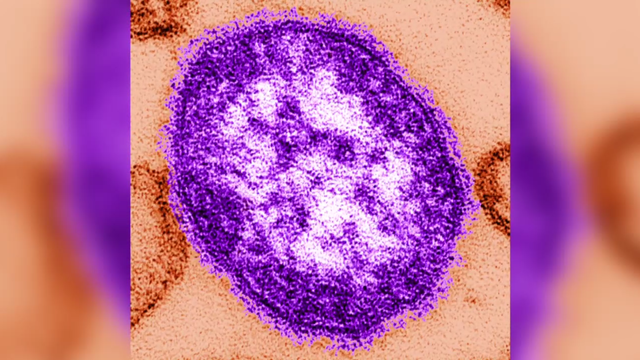
The city's measles dashboard said a total of 63 measles cases have been confirmed in Chicago this year, with one new case this week.
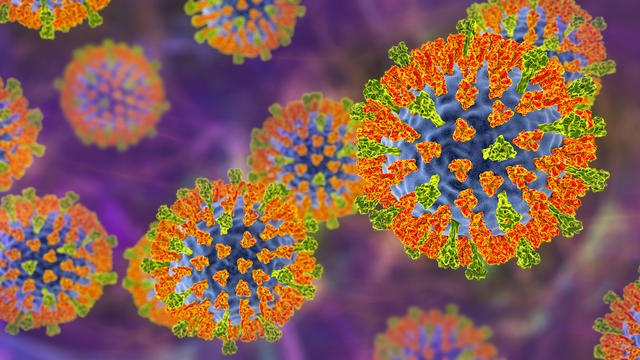
The department said anyone who visited the Sam's Club at 9400 S. Western Ave. in Evergreen Park one day last week may have been exposed to someone with measles.

Health officials are warning consumers not to consume Infinite Herbs basil sold at some Trader Joe's and Dierberg's stores after 12 people were sickened.
Officials said there was no known link between this case and the recent outbreak of measles at a migrant shelter in Chicago.
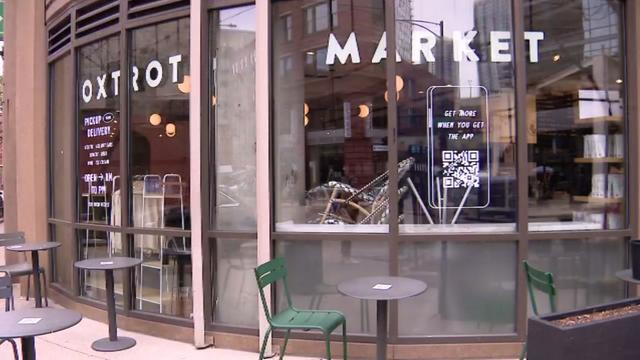
The Illinois Worker Adjustment and Retraining Notification (WARN) Act requires employers to notify workers of mass layoffs 60 days in advance.

Mayor Brandon Johnson denied that the Bears' shiny new dome could end up costing taxpayers a pretty penny.
Employees at dozens of now-closed Foxtrot Market and Dom's Kitchen stores, now jobless, wonder what comes next for them as their paychecks will soon end.
The company announced Tuesday that it received a stalking horse bid to purchase its operating assets.
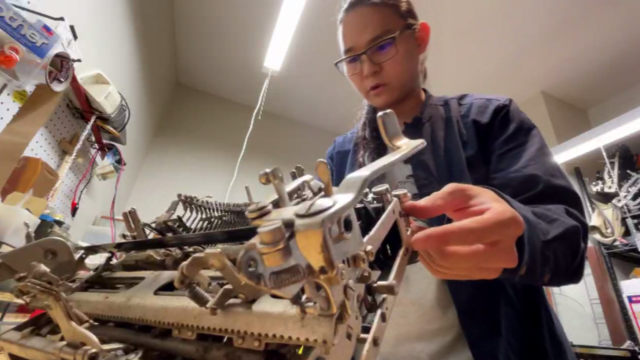
Dozens of typewriters clutter the shelves of the 24-year-old business owner's workshop inside his parents' home in Downers Grove.
"Sunday Morning" has an exclusive behind-the-scenes look at the creation of the country singer's first post-stroke song, "Where That Came From," which blends art with artificial intelligence in a recording that captures Travis' country heart.
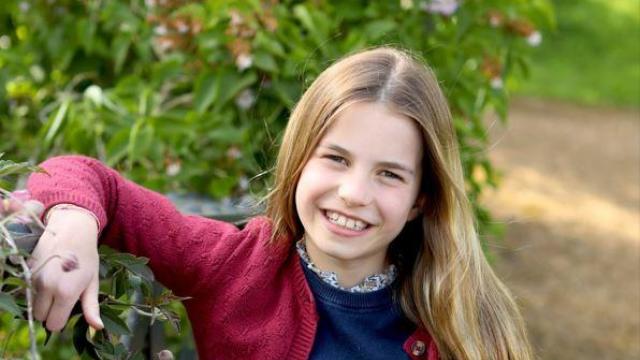
"Happy 9th Birthday, Princess Charlotte!" the Prince and Princess of Wales said in a social media post with a new photo of their daughter taken by Kate.

Paramount said long-time CEO Bob Bakish will leave the company, which is in discussions to explore a sale or merger.
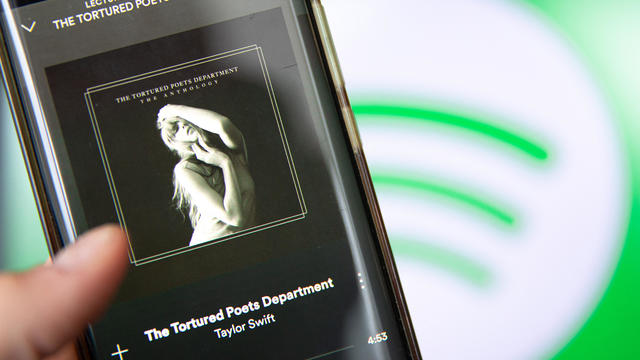
The vinyl sales alone were monumental, Billboard said, with "the largest sales week for an album on vinyl in the modern era."
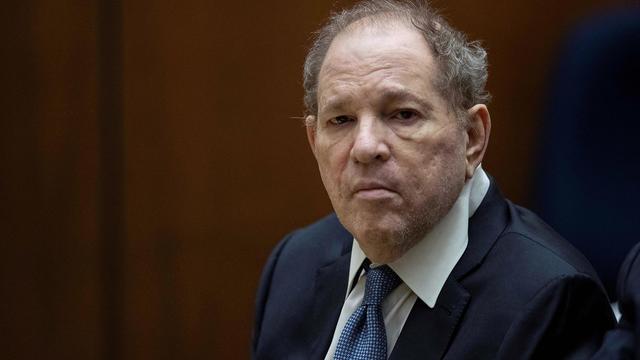
Harvey Weinstein's 2020 conviction on felony sex crime charges has been overturned by the State of New York Court of Appeals.
From a launch party for an organization dedicated to combating the nutritional and educational gaps to a field of colorful tulips in Spring Grove. Here's what caught Suzanne Le Mignot and Laura Bannon's eye this week.
Viewer Steve Veach from Des Plaines shared photos of the insect and the dirt mounds found underneath a wheelbarrow, where the bugs are coming out of the ground.
A cool, refreshing finish to the weekend with highs in the 60s and cooler lakeside readings in the 50s.
Sixty-eight protesters were arrested for trespassing. The arrests came after hours of negotiations by officials who say they tried to offer an alternate site.
Chicago police said officers responded to the scene and found a man, 37, and a woman, 36, who were each struck in the leg by gunfire.
Pro-Palestinian demonstrators have moved beyond college campuses, setting their sights on one of downtown Chicago's most well-known landmarks.
The crash happened at the Chicago Oyster House at 1933 S. Indiana Ave. just before 3 a.m.
The victims told police they were shot by an unknown man who left the scene in a dark-colored SUV.
Police said they do not have any evidence that Xavier Tate Jr. targeted Officer Luis Huesca because he was an officer.
Police in Wisconsin fatally shot a student who had pointed a pellet rifle in their direction outside a middle school, according to the state's Department of Justice.
Expert panel discussion centers the focus on the disparity that 1 in 3 victims of crime in Chicago is a Black woman
Police arrived at the scene sooner than if they had waited for the first 911 call.
Anthony Robinson's attorney said his previous defense lawyer failed to present evidence that showed it was physically impossible for him to be the shooter.
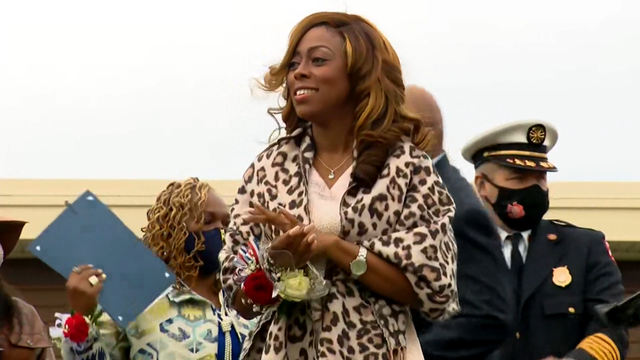
The village board is working on a resolution to hire Lightfoot, a former federal prosecutor before her lone term as Chicago's mayor, to investigate claims Henyard has been misusing public funds.
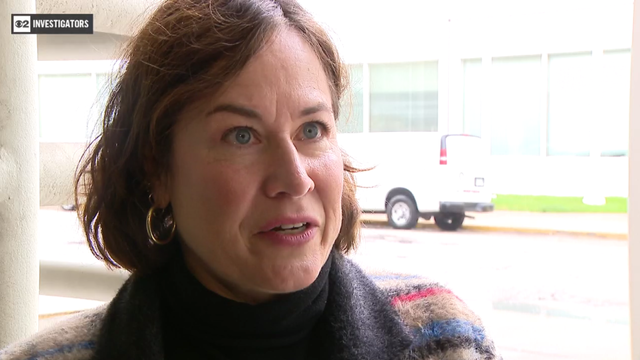
DCFS Director Heidi Mueller was asked Thursday why some kids in the system are being held in psychiatric hospitals longer than medically necessary.
Tanner Banks came on after a three-hour rain delay to strike out pinch-hitter Iván Herrera in the bottom of the 10th inning.
hicago tied its first divisional series of the year at one apiece in manager Craig Counsell's first series against his former team.
The White Sox lost their fourth game in a row. It was the ninth time they were shut out this season.
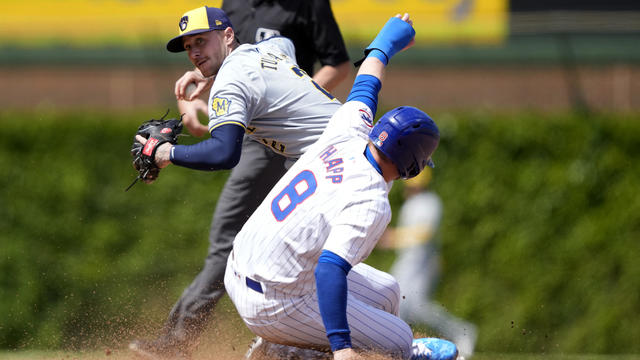
William Contreras hit an RBI single during Milwaukee's three-run eighth inning, and the Brewers won their first game against former manager Craig Counsell, beating the Chicago Cubs 3-1.
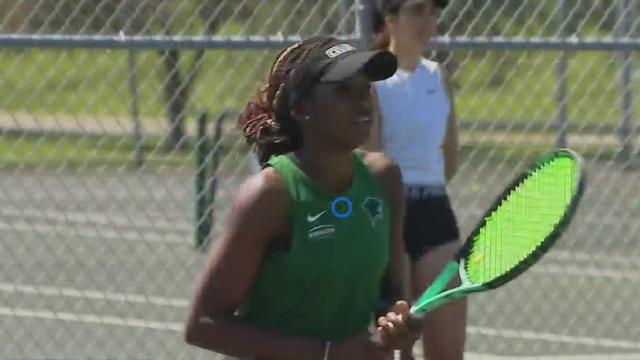
After a 3-9 start to the season, the Cougars have won the Horizon League and clinched their first-ever NCAA Tournament berth with players from all over the world.
Police in Wisconsin fatally shot a student who had pointed a pellet rifle in their direction outside a middle school, according to the state's Department of Justice.
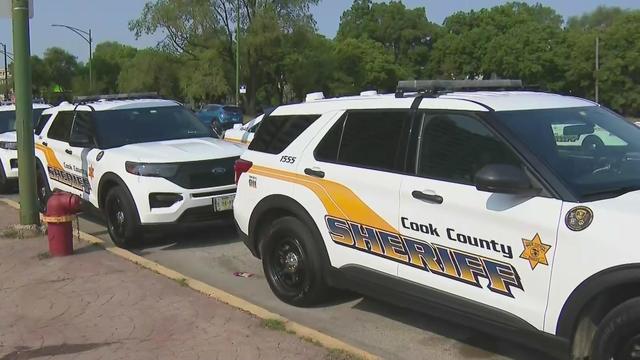
During the burglary, surveillance video caught a man taking a swig from a bottle of 19 Crimes Snoop Dogg Cali Red blend wine, which he then put back in the garage refrigerator.
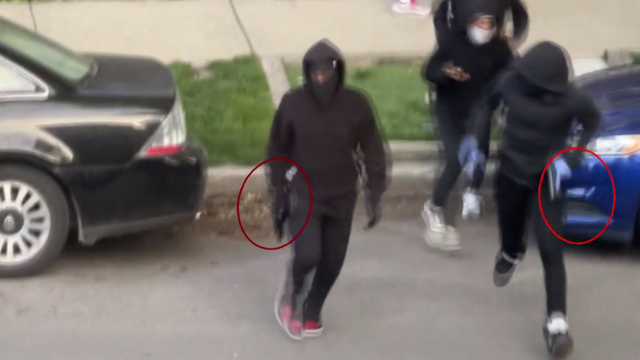
There were four different robberies of this variety with five victims within a period of less than half an hour in Bucktown Thursday morning. One of them was caught on video.
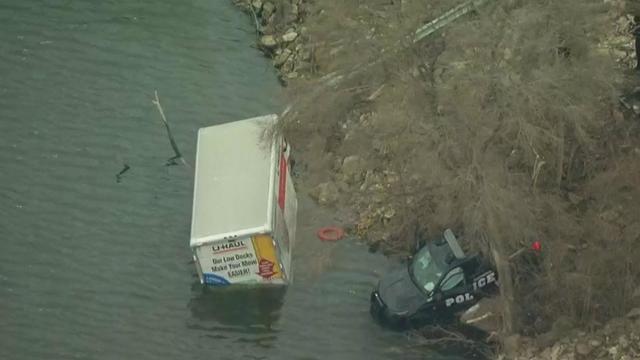
Larry Perry, 34, was killed on Feb.21 after officers with the Hammond Police Dept. chased him into Chicago and ran his vehicle into the Little Calumet River, family members said.
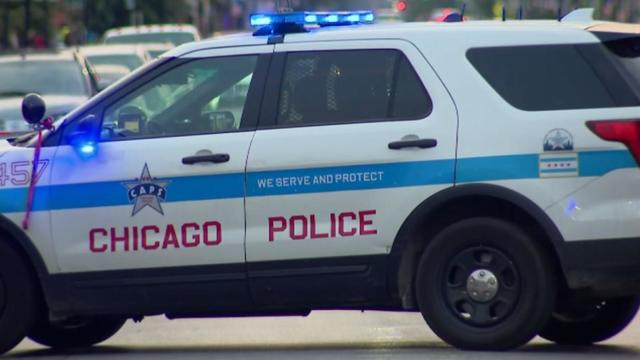
Police say the 39-year-old victim was arguing with an unknown man in the mezzanine level of the station who then pulled out a knife and stabbed him in the left leg and right thigh.