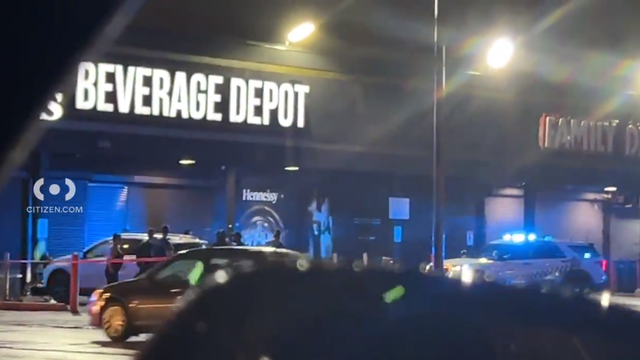
3 people injured in shooting in Englewood
Information from police was not immediately available.
Watch CBS News

Breaking News, First Alert Weather, Exclusive Investigations & Community Journalism
Information from police was not immediately available.
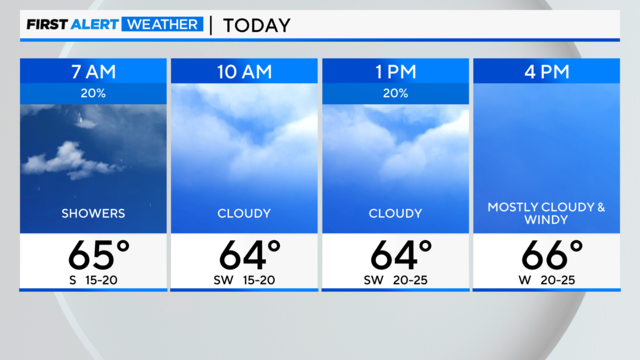
A windy afternoon is ahead with west winds gusting 40 to 45 miles per hour.
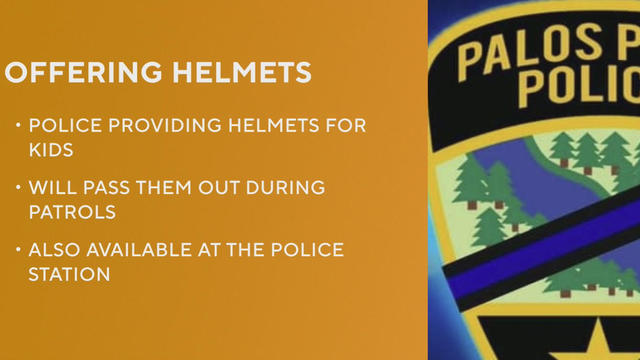
Officers will also be out near the Cal-Sag Trail, especially on weekends.
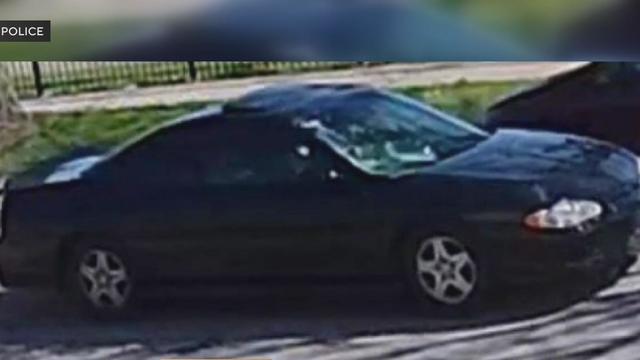
Investigators say the driver of this black Chevy Monte Carlo struck the teen as he crossed the street near 112th and Wallace and left the scene without stopping to render aid.
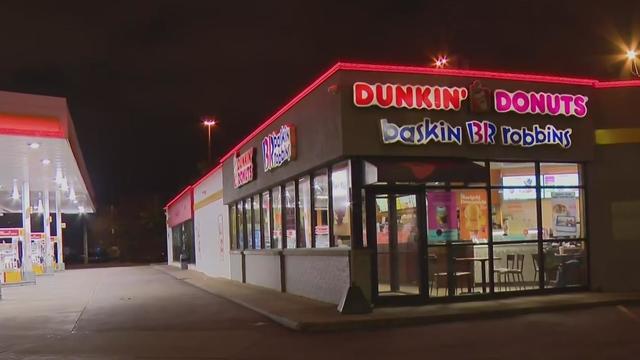
The clerk gave them the cash before the robber took wallets and cell phones from four customers in the store.
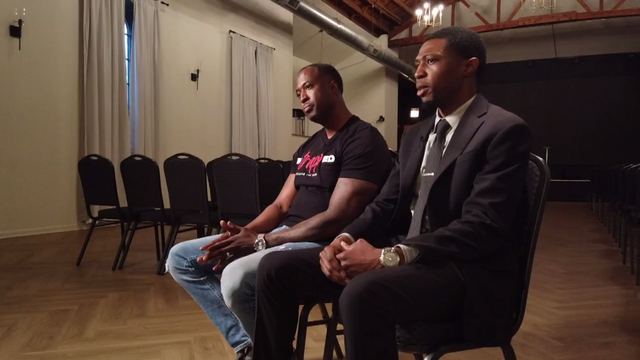
The process of helping former felons who have turned their lives around get a fresh start and find work often starts with getting criminal records expunged.
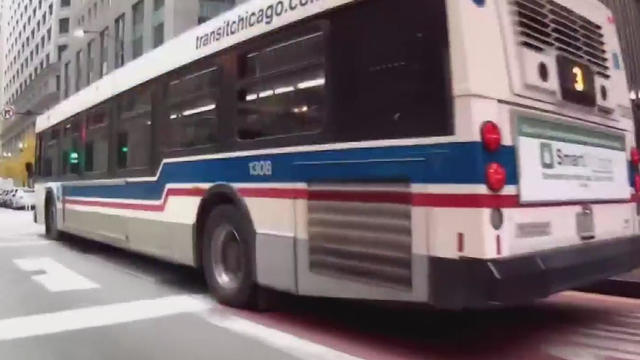
The CTA said there were no reports of anyone on the bus being injured.
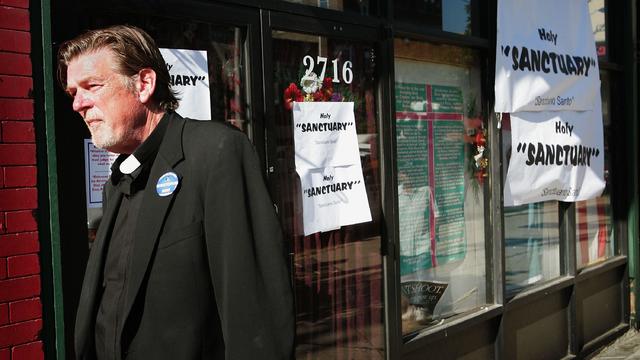
Coleman's activist and organizing work in Chicago dated back to the Civil Rights and antiwar movements of the 1960s.

Breaking News, First Alert Weather, Exclusive Investigations & Community Journalism
A windy afternoon is ahead with west winds gusting 40 to 45 miles per hour.
CBS 2 News Chicago's weather forecast model — First Alert — helps digital users and traditional television viewers stay on top of Chicago's dynamic weather.
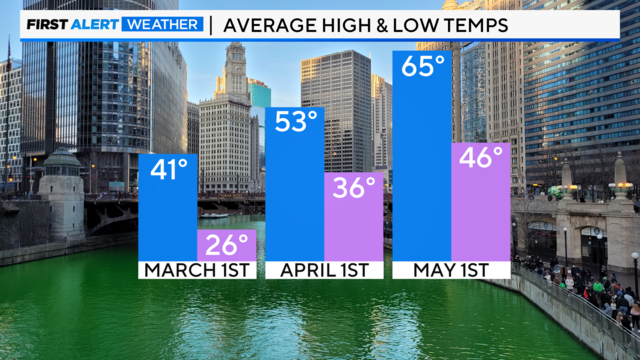
The emergence of greenery and blossoms is underway soon as El Niño fades away, and we transition to a neutral weather pattern.
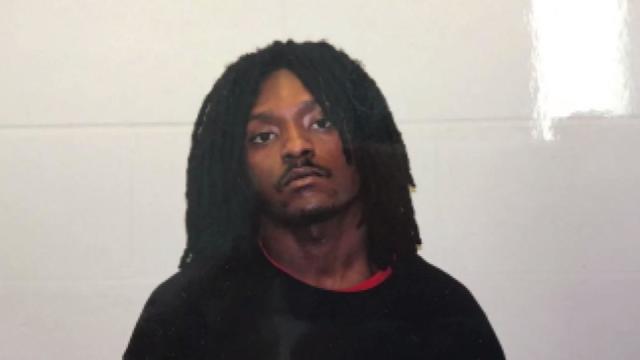
Anthony Robinson's attorney said his previous defense lawyer failed to present evidence that showed it was physically impossible for him to be the shooter.
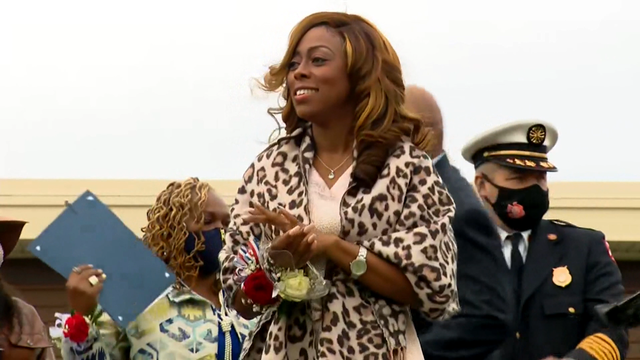
The village board is working on a resolution to hire Lightfoot, a former federal prosecutor before her lone term as Chicago's mayor, to investigate claims Henyard has been misusing public funds.
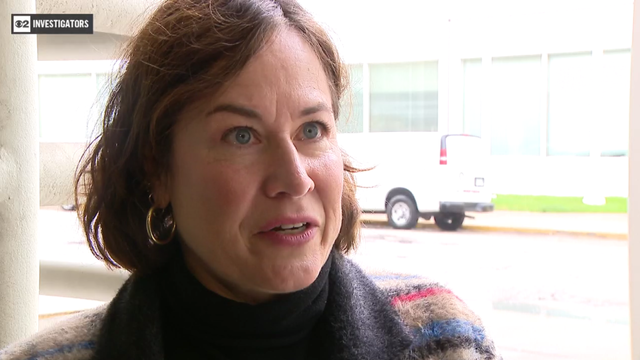
DCFS Director Heidi Mueller was asked Thursday why some kids in the system are being held in psychiatric hospitals longer than medically necessary.
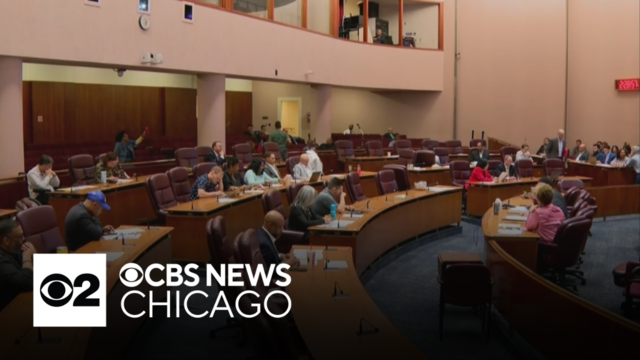
The $70 million will be in addition to the $150 million already granted to support migrants in this year's city budget.

Helios is the second red-ruffed lemur born this year. It's part of the species' survival plan, in which the zoo partners with other zoos to ensure the species remains genetically diverse.
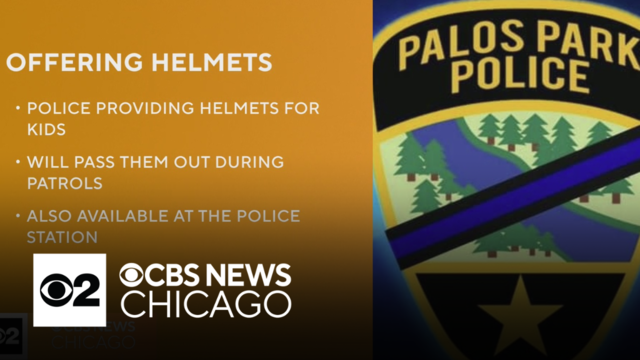
Patrol officers will pass them out to children they see who may need one. They will also be available at the department.
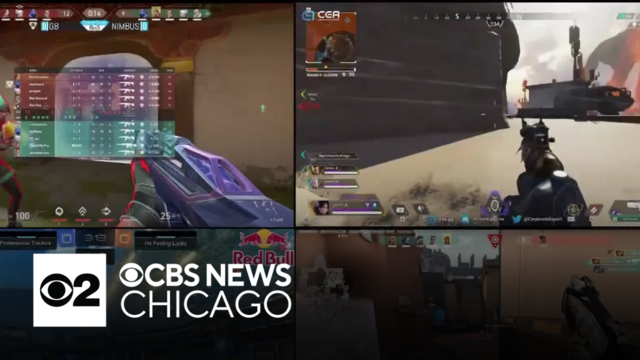
The Corporate Esports Association offers leagues for a range of video games. and many well-known corporations have teams from Ford and GM to Facebook and Walmart.
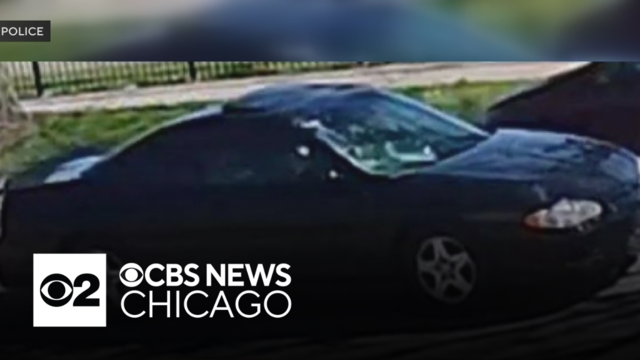
Police say a black Chevy Monte Carlo struck the teen as he crossed the street near 112th and Wallace on Monday.
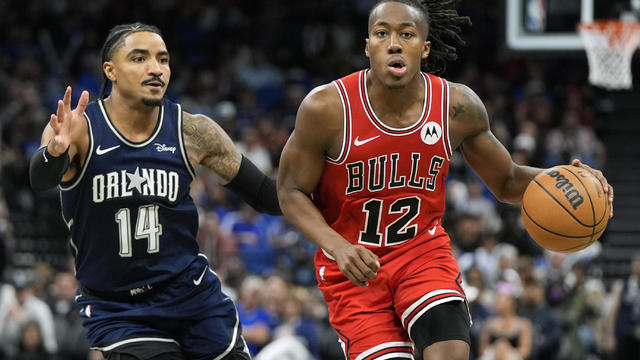
Center Andre Drummond did not participate ahead of Wednesday's contest. He's missed the last three games with an ankle injury and still had some swelling.
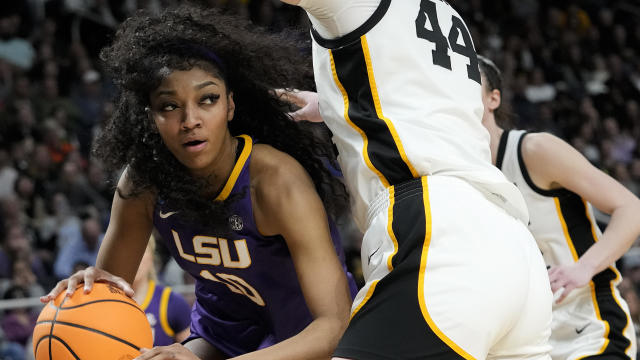
Reese will join Kamila Cardoso, who the Sky drafted as the No. 3 overall pick.
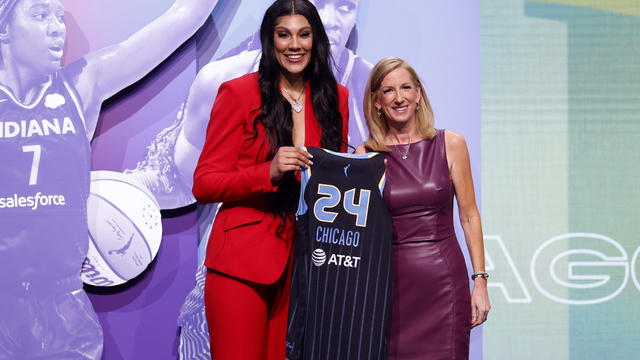
With the No. 3 pick in the WNBA Draft, the Chicago Sky selected South Carolina's Kamilla Cardoso, who led her team to a national championship and an undefeated season.
The process of helping former felons who have turned their lives around get a fresh start and find work often starts with getting criminal records expunged.
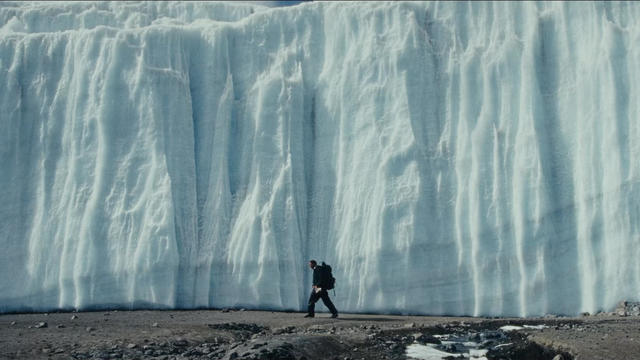
The film takes viewers on a journey through the life of scientist Lonnie Thompson, one of the world's leading climate change researchers.
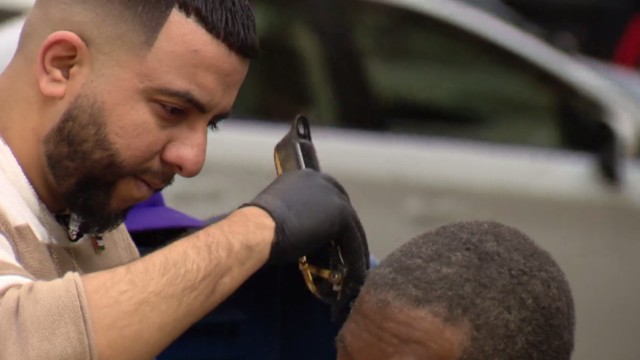
Every Wednesday, Omar Abuawad, also known as "Omar the Barber," can be seen on the Mag Mile sidewalks giving free haircuts to those who have nothing.
Coleman's activist and organizing work in Chicago dated back to the Civil Rights and antiwar movements of the 1960s.
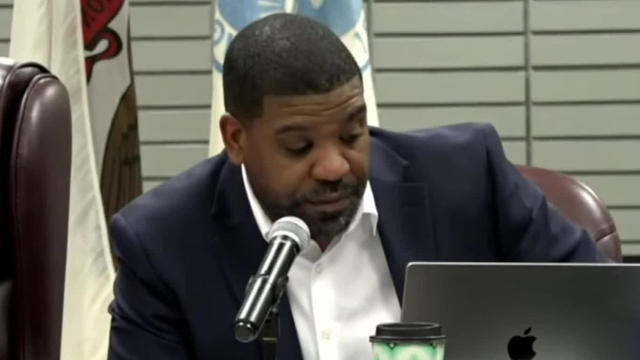
Dolton Village Manager Keith Freeman has been accused of falsifying his income in a bankruptcy filing, and faces up to five years in prison if convicted.
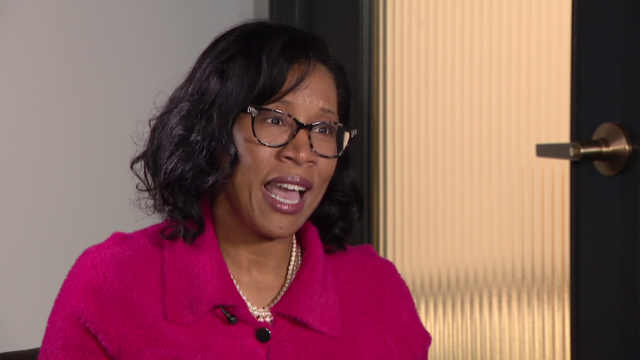
The Board of Ethics found Conyears-Ervin improperly used city resources and property for partisan political activities at church services.
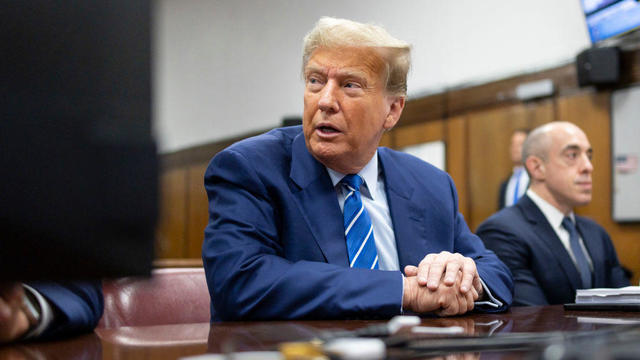
Seven Manhattan residents were selected Tuesday afternoon to serve on the jury in former President Donald Trump's criminal trial.
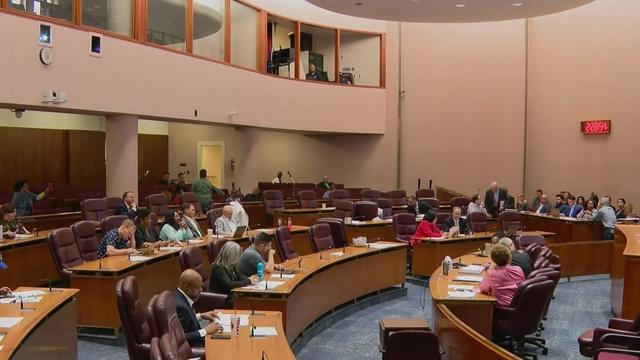
Some members asked why this may be taken from the city's rainy day fund and questioned whether they should spend more on the mission at all.
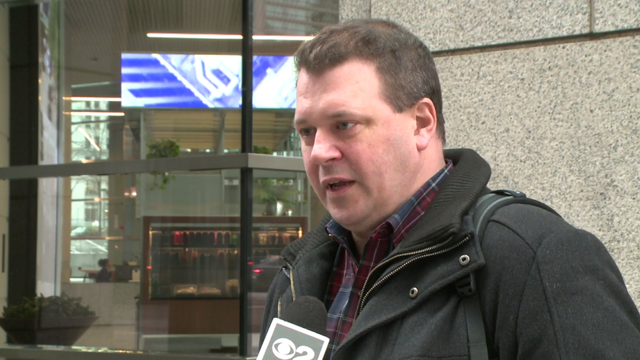
The Better Business Bureau warns that anyone buying an event ticket should watch out for fake ticket scams.
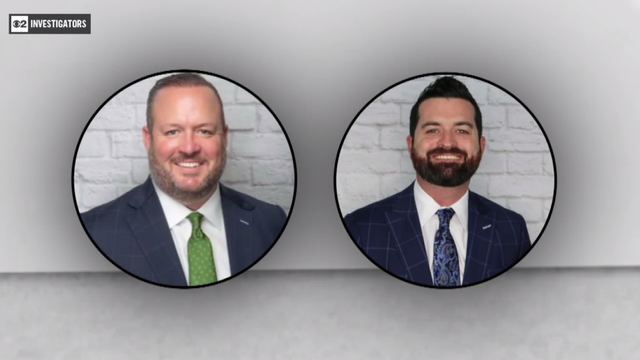
Financial records show Paul Croft and J.D. Frost raised about $30 million for a hydrogen plant that was supposed to be, at one point, in Indiana. It never existed, an attorney says.
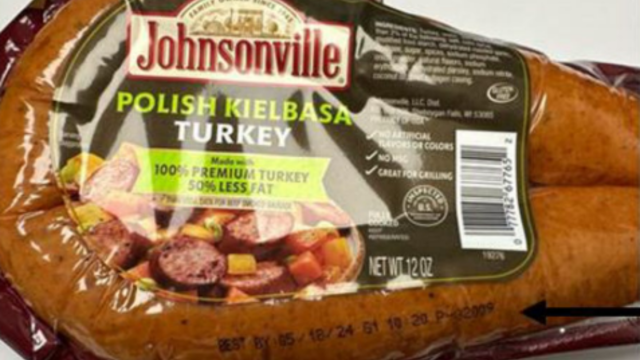
Anyone with these sausages in their refrigerators should throw them away or return them to the store.
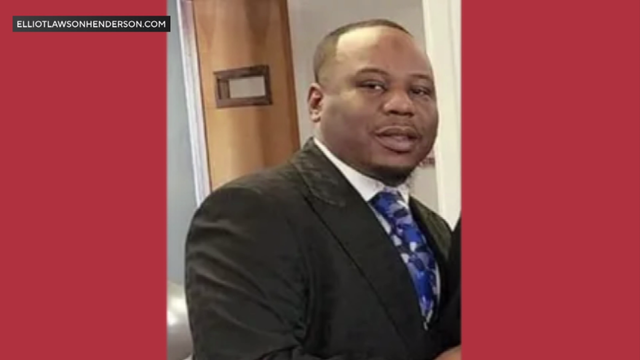
Elliott Henderson, of south suburban Glenwood, is featured on a website, a petition, and Facebook and Instagram pages -- all dedicated to warning others about his travel deals.
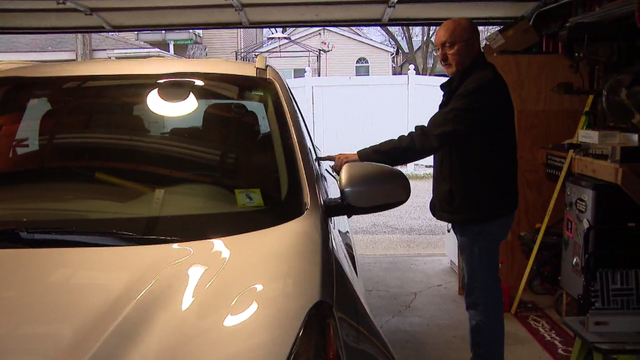
It all stems from the cars being easier targets for thieves because of their design.
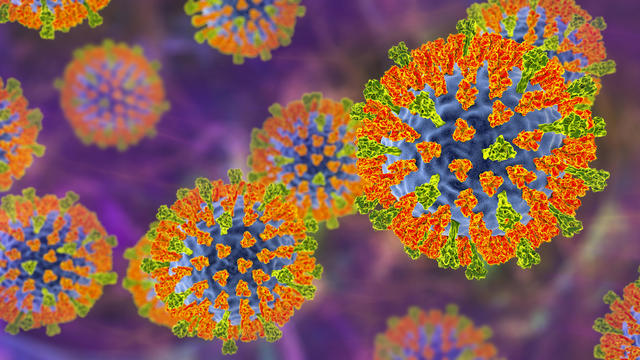
Officials said there was no known link between this case and the recent outbreak of measles at a migrant shelter in Chicago.
Health department officials said the case does not appear to be linked to new migrant arrival shelters in Chicago, and the source of infection is unknown.
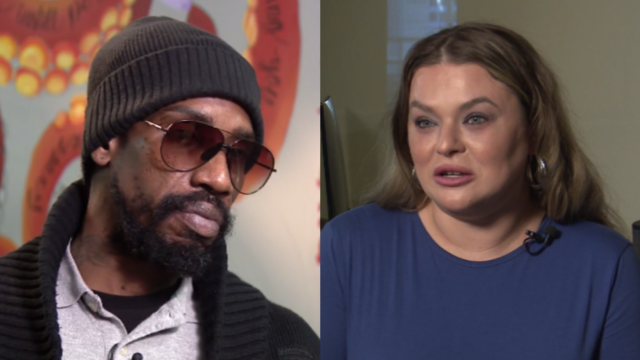
The fake dentist also faces accusations of practicing while unlicensed in Nevada and was even arrested before treating patients in the Chicago suburbs.

The prepackaged boxes of deli meat, cheese and crackers are not a healthy choice for kids, advocacy group says.
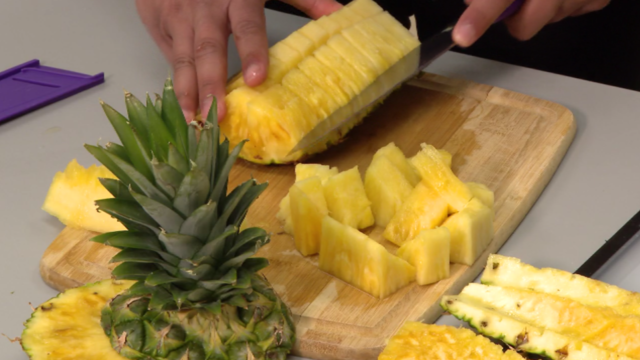
Every week, more than 100 hypertensive Medicaid patients receive a box of fresh produce delivered to their home for free.

Currently, a pair of two-story vintage buildings occupy the space.
Quinn has filed an ordinance with the Chicago city clerk that would ask the City Council to put a referendum on the November ballot allowing voters to decide if their tax dollars should support new stadiums.

The Lincoln Square standby, at 4721 N. Lincoln Ave., first announced its plans to close in September.
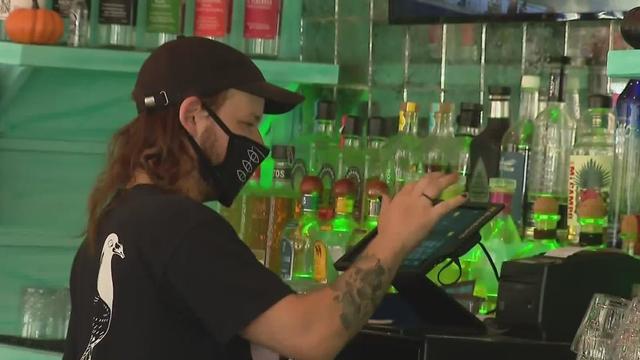
Businesses can currently pay $8.40 an hour and use tips to make up the difference. So, an employee gets at least the state-required $14-an-hour minimum wage.
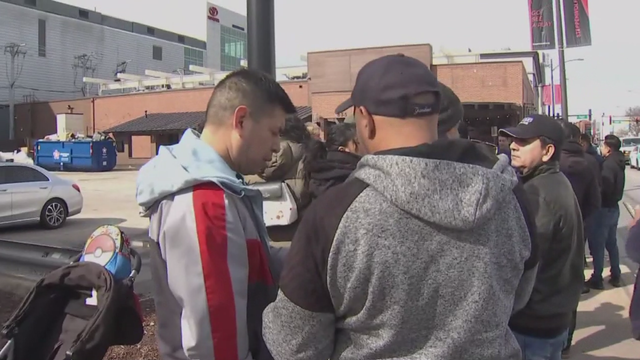
The employee said it came as a total shock.
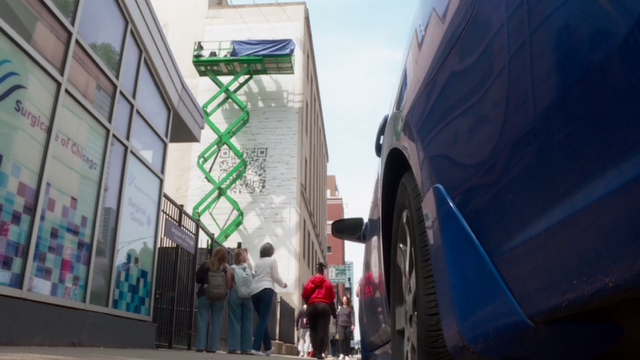
The mural was unveiled on the side of the building at the southeast corner the Chicago Medical Society building at Grand Avenue Dearborn Street.
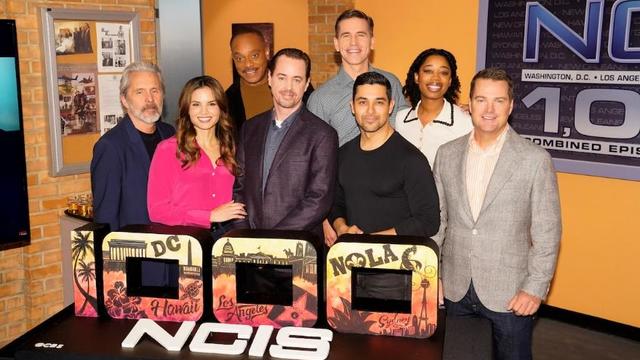
In the 1,000th episode, titled "A Thousand Yards," NCIS comes under attack by a mysterious enemy from the past.
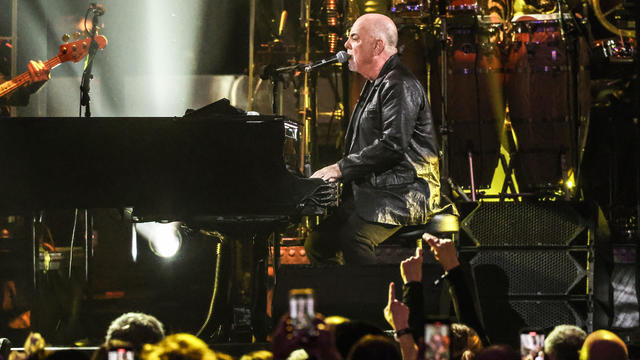
A Billy Joel special on CBS and Paramount+ will air again after it was cut off in the middle of the singer's performance of "Piano Man."
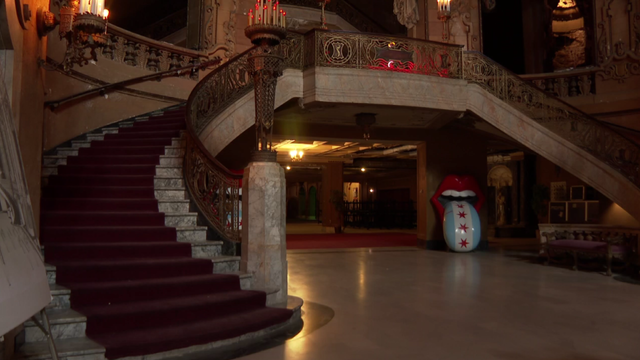
Restoration would likely take at least two years.
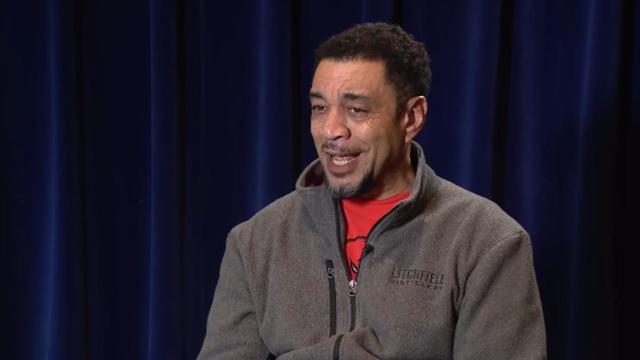
Written three years before WIlson's death, the one-man play tells several stories from the playwright's storied career, and the lessons they taught him as a Black artist in America.
The $70 million will be in addition to the $150 million already granted to support migrants in this year's city budget.
Helios is the second red-ruffed lemur born this year. It's part of the species' survival plan, in which the zoo partners with other zoos to ensure the species remains genetically diverse.
Patrol officers will pass them out to children they see who may need one. They will also be available at the department.
The Corporate Esports Association offers leagues for a range of video games. and many well-known corporations have teams from Ford and GM to Facebook and Walmart.
Police say a black Chevy Monte Carlo struck the teen as he crossed the street near 112th and Wallace on Monday.
Information from police was not immediately available.
A windy afternoon is ahead with west winds gusting 40 to 45 miles per hour.
Officers will also be out near the Cal-Sag Trail, especially on weekends.
Investigators say the driver of this black Chevy Monte Carlo struck the teen as he crossed the street near 112th and Wallace and left the scene without stopping to render aid.
The clerk gave them the cash before the robber took wallets and cell phones from four customers in the store.
Anthony Robinson's attorney said his previous defense lawyer failed to present evidence that showed it was physically impossible for him to be the shooter.
The village board is working on a resolution to hire Lightfoot, a former federal prosecutor before her lone term as Chicago's mayor, to investigate claims Henyard has been misusing public funds.
DCFS Director Heidi Mueller was asked Thursday why some kids in the system are being held in psychiatric hospitals longer than medically necessary.
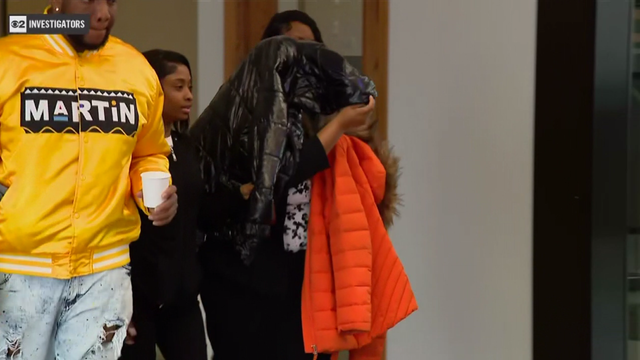
CBS 2 discovered the woman, Whitley Temple, was hired by the City of Chicago while awaiting trial.
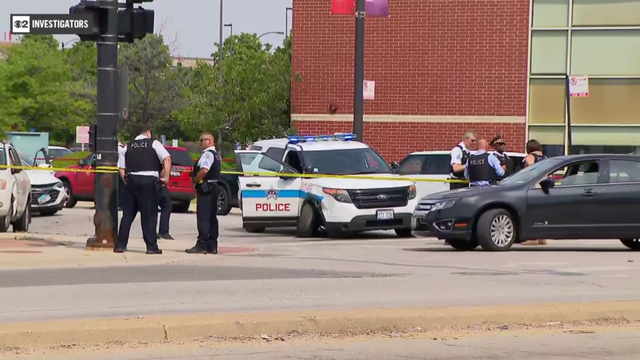
Whitley Temple pleaded not guilty to the charges — and after nearly two years of delays, the case goes before a Cook County judge for trial on Monday.
Center Andre Drummond did not participate ahead of Wednesday's contest. He's missed the last three games with an ankle injury and still had some swelling.
Reese will join Kamila Cardoso, who the Sky drafted as the No. 3 overall pick.
With the No. 3 pick in the WNBA Draft, the Chicago Sky selected South Carolina's Kamilla Cardoso, who led her team to a national championship and an undefeated season.
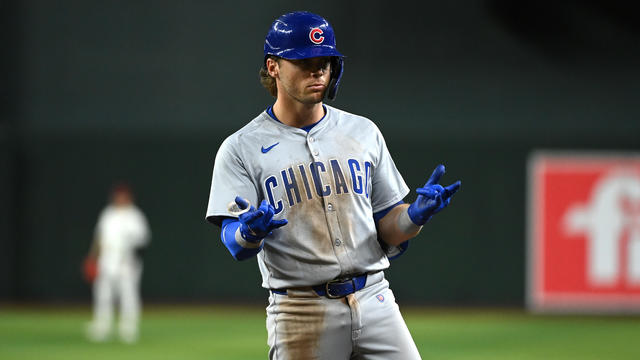
Hoerner scored the tying run from second base on a wild pitch in the 9th inning, then delivered the go-ahead single in the 11th.
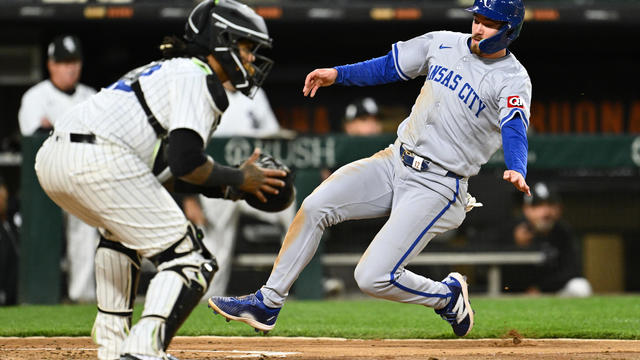
The White Sox were shut out for the sixth time during their 2-14 start.
The process of helping former felons who have turned their lives around get a fresh start and find work often starts with getting criminal records expunged.
Information from police was not immediately available.
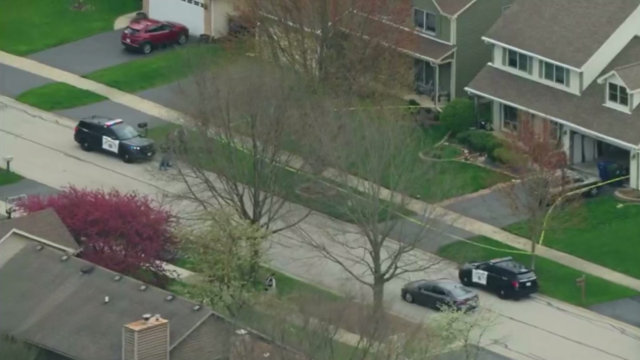
The victim was taken to a local hospital. The wound is believed to be non-life threatening, police said.
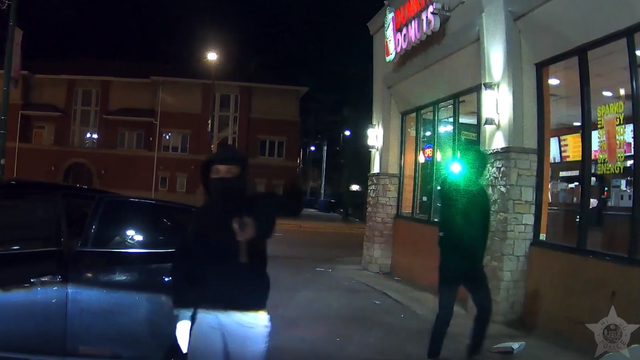
Two of the robbers are seen pointing guns at a surveillance camera.
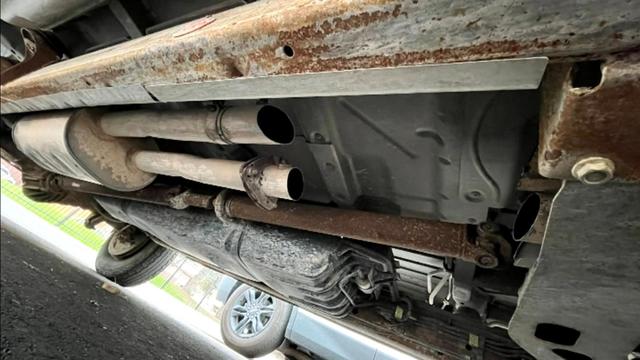
In each incident, the catalytic converters were taken from parked vehicles.