Mar 1, 2008 10:04 pm US/Central
Cook County Board Passes Budget, Raises Sales Tax
10-7 Vote Ends 5-Month Stalemate
CHICAGO (CBS) ―
After battling for five months, the Cook County Board has voted to more than double the county's sales tax, bringing the overall sales tax in Chicago to be the highest of any major U.S. city at 10.25 percent.
The agreement means a drink at the bar, a fast-food meal and back-to-school shopping, among other things, will get a bit more expensive in Cook County.
With just minutes to go before midnight, County Board President Todd Stroger struck a deal with board members, who approved a 1 percent increase in the sales tax which drove Chicago's overall sales tax to double digits.
Under the deal, the county portion of the sales tax increases from 0.75 percent to 1.75 percent. As a result, someone buying $100 worth of merchandise will pay an extra dollar in sales tax.
And it will be enacted in November, just in time for the Christmas shopping season.
The tax hike will bring in more than $400 million in new cash every year to the county. This year, it will bring in about $71 million.
Board President Todd Stroger heralded the increase.
"The members of this board and my administration have been able to reach an agreement that strengthens our ability to provide quality health care and public safety services for all," Stroger said. "This is an achievement that all of us can be proud of."
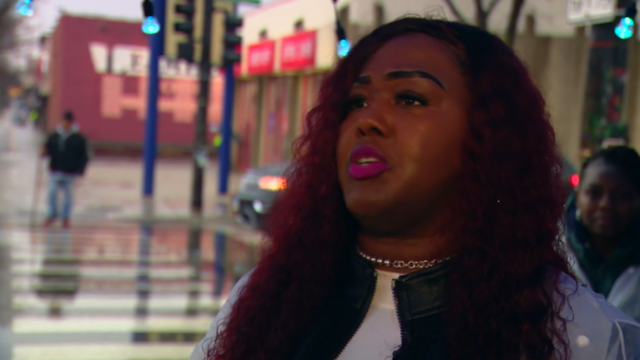
That wasn't a sentiment echoed by the taxpayers CBS 2 caught up with. When asked about the change, responses were varied, but unanimous:
"It's kinda disappointing. "It's not the greatest thing, but what can you do?"
"It's crazy."
"It's ridiculous. Taxes are high enough as it is."
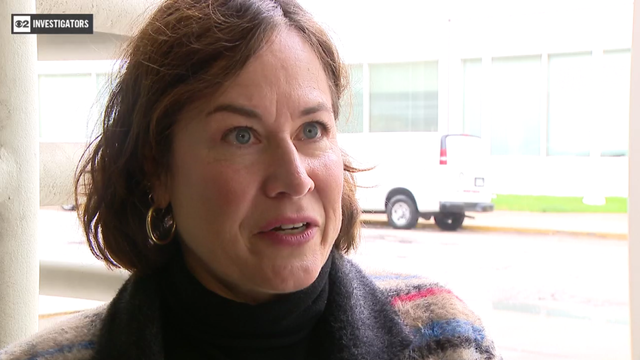
Kelly LeFevour, general manager of Ford's #1 volume dealer in the city of Chicago, McCarthy Ford, couldn't agree more.
"Now on a $20,000 purchase we're collecting $1,800 in sales tax," she said.
When the tax increase kicks in in November that means the sales tax on that same $20,000 vehicle will jump up by another $250.
LeFevour says now is not the time for Chicago to try out a double-digit sales tax.
"At this time in this economy, I think this is one of the worst things we could be doing for taxpayers and for us as well. It's going to make it much more difficult to sell vehicles," she said.
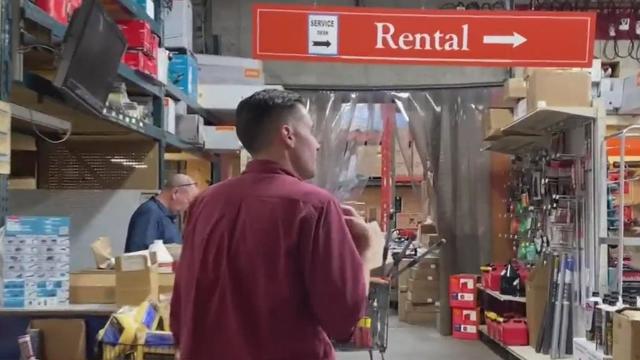
At Southwest Lawnmower, manager Steve Breault says he fears the tax will drive shoppers outside of Cook County.
"People will drive even at $3 a gallon to save a buck, so it does hurt us in the long run," he said.
Chicagoland Chamber of Commerce officials think the increase in taxes on hotels, food and beverages will scare away major conventions and some restaurant managers agree.
"We dropped a few conventions in '06, we lost a few more in '07, inevitably we'll drop more conventions," said Ditka's manager George Laftsidis.
Perhaps, but some conventioners and tourists we talked to insist they won't be deterred by higher taxes.

"I love Chicago, it's my favorite city to visit. I'll just spend more money anyway," said visitor Rachael DAubenmire.
Metro-area dwellers have a different take on paying the extra money. Jeanie and Joe Miller are having dinner Saturday in downtown Chicago, but they live in DuPage County.
"It does make you want to come down less often than staying in the suburb cause taxes are less there," Jeanie Miller said.
It will definitely be cheaper to shop in the suburbs. Buy a $500 TV in DuPage County where the taxes are 6.75 percent and you'll pay $534, in Chicago where the taxes are 9 percent, you'll pay $545 for that same television, and when taxes increase to 10.25 percent, you'll pay $551.
"That's a big difference. I'll probably save a lot of money. Why not drive up north?" said Chicago resident Angie Gountanis.
The budget also includes, according to a release from Stroger's office, "county-wide cuts of 4 percent, up to $180 million in sales tax anticipation notes, and various other revenue adjustments that have been made throughout the amendment process. The Stroger administration also agreed to fast-track its proposal to move towards an independent governance structure for the County's health care system."
Stroger said most of the commissioners had realized the necessity of passing a budget and carrying on the county's business, despite newspaper editorials against his tax hike proposals.
"Criticism from the newspapers doesn't actually translate to the members that you're working with all the time," Stroger said. "Now, sometimes they listen to it well, I shouldn't even say sometimes but they realize they have a responsibility to do it, and I think we were able to talk to enough people to get them to realize that they had to do what was right for the county."
County commissioners had been trading barbs since the beginning of the budget process, and as they cast their votes for the budget, the vitriol continued to wash over the board room.
"The city tax now is 10 1/2 percent, plus the special taxing district, 1 percent. We're over 11 percent in Cook County now, which is the highest in the country, and I haven't had the chance to check the other countries around the world it's probably the highest in the world," Commissioner Tony Peraica (R-16th) said as he voted against the budget. "Congratulations to everybody."
"I just want to remind some of those commissioners to vote no, don't send your constituency to any of the services we have to pass with the votes we're taking right now," said Commissioner Robert Steele (D-2nd) as he voted in favor of the budget. "So just remember that when you are advising someone to use our services."
At one point during the final minutes of the debate, the clock appeared to stop. It was not a supernatural moment, but apparently a creative strategy to allow the board to comply with the law that mandates the budget had to pass by midnight.
The influx of money will likely help Stroger avoid having to seek a tax increase in 2009 and possibly in 2010, when he's up for re-election.
Before the sales tax hike was approved, the board approved $12.2 million in job cuts. But that still left a budget hole of hundreds of millions of dollars.
Earlier, Stroger had been one vote away from hiking the sales tax to 2.75 percent and he said he'd refuse to come down below setting it at 2 percent.
But finally, after a day of heavy negotiating Friday including much intervention by labor leaders like Dennis Gannon, of the Chicago Federation of Labor, and elected officials like Sheriff Tom Dart, the deal was made.
Sources said Stroger was willing to barter, but advisors close to him kept talking him out of it. That led to shouting matches and bruised egos on both sides. Finally, a breakthrough came Friday afternoon.
The swing vote to pass the budget came from Commissioner Larry Suffredin (D-13th), who campaigned for state's attorney on a boast that he had "stood up to Todd Stroger's tax increases," and as of early Saturday, his Web site still quotes him as saying in reference to the budget, "at this point, I see no need for any increase in taxes."
But Suffredin's willingness to deal came after Stroger agreed to give up control of the county hospital system a patronage dumping ground for decades' worth of politicians to an outside panel of professionals through 2010.
The compromise proposal calls for 15 officials from the medical, civic and labor community to pick 20 nominees to a hospital governing board. From there, Stroger will pick nine, to be approved by the county board.
Suffredin said the new board will bring true independence and professionalism to the hospital system and limit patronage opportunities. In presenting the amendment to reorganize the hospital system, Suffredin pointed out numerous services that have been cut at county medical facilities, and clinics that have been closed.
"The hope is that this new type of governance will, in fact, change all that, and also will attract more federal and state dollars to buttress this system up and provide the health care that the people of this county desire and deserve," Suffredin said.
Suffredin, while admitting a sales tax may not be "the best economic policy," noted it's half of what Stroger wanted, and said the hospital deal is a good trade-off for a 1 percent sales tax hike.
But not everyone was on board with the hospital reorganization plan. Commissioner Roberto Maldonado (D-8th) said because only one Latino organization was represented on the proposed governing board, he did not believe the reorganized county health system would benefit his constituents.
"I do not support more of the same. For many years, our community has not been represented at the Bureau of Health, when less than 2 percent of the doctors are bilingual, less than 3 percent of the nurses are bilingual, and I have no faith that with the composition of this nominating committee which ultimately will have the responsibility of recommending future board members to the president of the County Board, that my community will be represented," Maldonado said, "and we are going to see more of the same for years to come, and most likely with less transparency."
With a budget passed, county courts, the jail, health clinics and hospitals, among other county government functions, may remain operating for another year.
Without a budget, county officials will have been prohibited from expending any funds, emergency and otherwise, for continued government operation effectively shutting the county down. Stroger joined County Sheriff Tom Dart and State's Attorney Dick Devine in filing a lawsuit Friday afternoon seeking emergency court intervention to preserve at least the operation of vital services.
After the hearing was over, Peraica called the budget a raw deal for taxpayers, and criticized Suffredin for voting in favor of it.
"I'm very disappointed that Commissioner Suffredin, who repeatedly talked about standing up for the taxpayers of Cook County and not voting for a tax increase, flipped tonight and voted for a tax increase of half a billion dollars that's really going to be felt in a very detrimental way by residents, taxpayers and businesses in Cook County," Peraica said. "It's a sad day for those who have to pay."
Business leaders and others predicted immediate negative ramifications.
"Chicago now has the unfortunate notoriety of having the highest sales tax in the country, and our region will now be a more expensive place to visit, live, work and operate a business," said Jerry Roper, head of the Chicagoland Chamber of Commerce. "The people of our region should be outraged."
Laurence Msall of the Civic Federation, a fiscal watchdog group, agreed.
"As a result of a lack of a reasonable financial plan we're going to raise taxes and jeopardize the economic vitality of the Chicago region," he said.
A sales tax of 10.25 percent is significantly higher than the sales tax in other major cities. The next highest rate in the country is in Memphis at 9.25 percent. New York, Los Angeles and Dallas all have a sales tax of under 8.3 percent, Phoenix has a tax of 6.3 percent, and Denver's sales tax is only 3.6 percent.
Another item you can expect to be taxed -- parking. Taxes at garages in the country will double. That means monthly parkers, who were paying $20 in taxes, will now pay $40.
All the new taxes will bring in about $70 million this year.
CBS 2's Dorothy Tucker, Mike Puccinelli, Rafael Romo, the Associated Press and the STNG Wire contributed to this report.
(© MMVIII, CBS Broadcasting Inc. All Rights Reserved.)
Video: CBS 2's Picks To Click