
Trump held in contempt for violating gag order in "hush money" trial. Here's why.
Judge Juan Merchan said Trump violated the order nine times in recent weeks and fined him $1,000 for each violation.
Watch CBS News

Breaking News, First Alert Weather, Exclusive Investigations & Community Journalism
Judge Juan Merchan said Trump violated the order nine times in recent weeks and fined him $1,000 for each violation.

The protesters have been camping out in Deering Meadow on the Evanston campus since Thursday morning.

The proposal would recognize the medical uses of cannabis and acknowledge it has less potential for abuse than some other drugs.
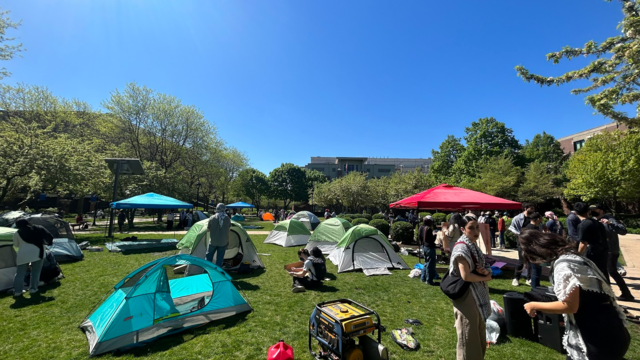
A coalition of eight student organizations at DePaul issued a list of demands, including that DePaul "divest from companies that advance Palestinian suffering and profit off the occupation" of Gaza.

If you can't adopt permanently, shelters are looking for foster parents to clear space.

Mayor Brandon Johnson's office announced the city will spend $32 million on $500 monthly payments for low-income families.
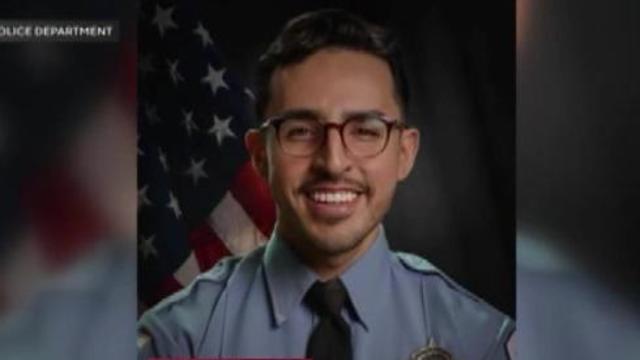
Caschaus Tate, 20, is facing multiple charges, including one for an unrelated burglary in Richton Park and one for aggravated unlawful use of a weapon in Chicago.

Chicago police are working to identify the victim, but believe he was between 18 to 25 years old.

Breaking News, First Alert Weather, Exclusive Investigations & Community Journalism
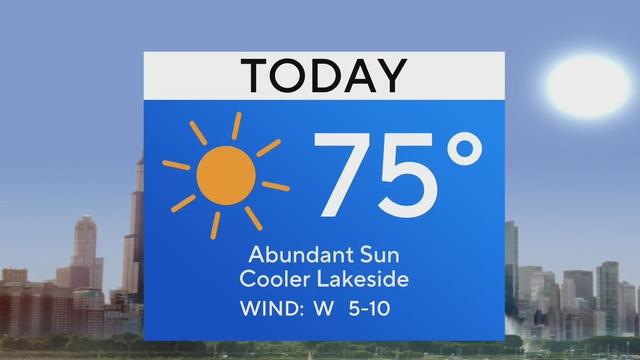
Tuesday's highs will be near 75 degrees with sunny skies.

CBS 2 News Chicago's weather forecast model — First Alert — helps digital users and traditional television viewers stay on top of Chicago's dynamic weather.
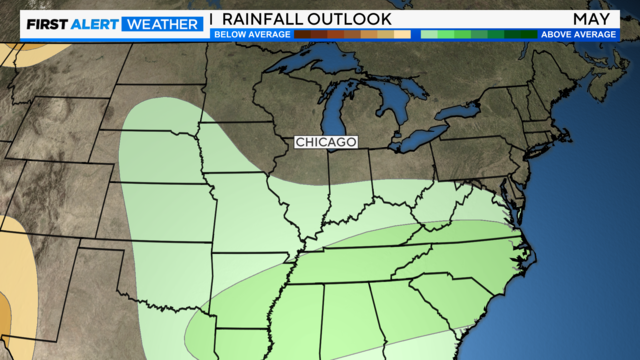
As the climate warms, May rainfall is getting heavier in Chicago.

Expert panel discussion centers the focus on the disparity that 1 in 3 victims of crime in Chicago is a Black woman
Police arrived at the scene sooner than if they had waited for the first 911 call.

Anthony Robinson's attorney said his previous defense lawyer failed to present evidence that showed it was physically impossible for him to be the shooter.

A 14-year-old boy was killed and four other people were hurt after a man attacked them with a sword in London, England.

People can help reduce the number by visiting any of the shelters in Chicago, including PAWS and Chicago Animal Care and Control. If you can't adopt permanently, shelters also seek foster parents to clear space.
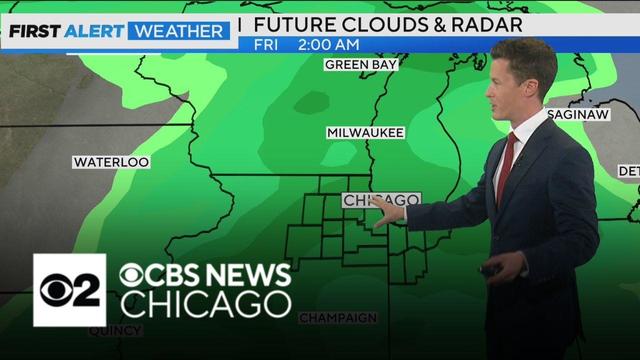
CBS 2 Meteorologist David Yeomans has a look at the extended forecast.

As concern grows over the rapid growth of artificial intelligence, the government is asking leading AI companies for advice. Michael Yoshida explains how CEOs from companies prevent potential disasters.

Head over to RPM in River North for steak and, of course, a seafood tower.
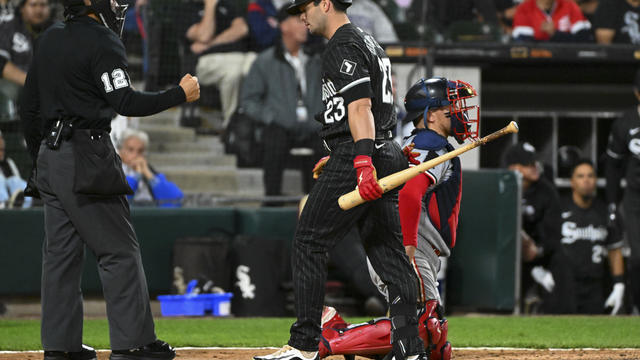
Garrett Crochet pitched five innings for the White Sox, allowing two runs and five hits after dropping his previous three starts.

Christopher Morel hit a two-run homer off Edwin Díaz to snap a ninth-inning tie and the Chicago Cubs beat the New York Mets 3-1 after being held hitless by Luis Severino into the eighth.
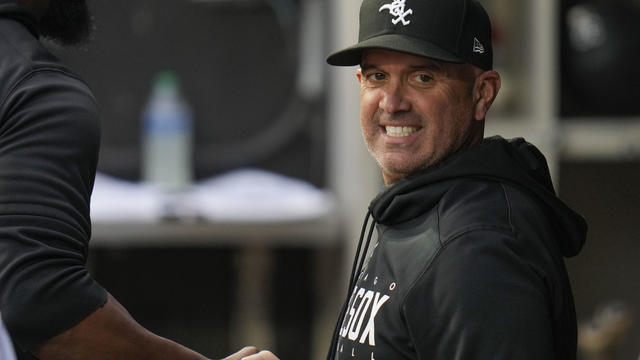
Three days ago, the Chicago White Sox had just three wins through 25 games. They doubled that after a sweep of the Tampa Bay Rays.

Soul and Smoke's flagship shop is currently undergoing renovations inside of an old barn in Evanston - a canvas that's becoming increasingly less blank.
Expert panel discussion centers the focus on the disparity that 1 in 3 victims of crime in Chicago is a Black woman
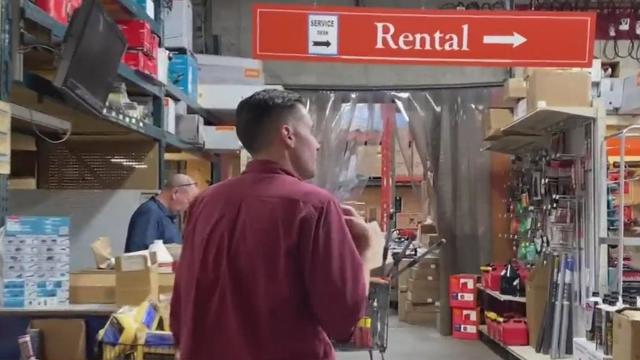
Clark Devon Hardware was owned by one family for 99 years. When they decided to sell, it wasn't to a new investor but to their staff. Now, a year later, the shop is proudly owned by their team of 65 employees.
The proposal would recognize the medical uses of cannabis and acknowledge it has less potential for abuse than some other drugs.
Mayor Brandon Johnson's office announced the city will spend $32 million on $500 monthly payments for low-income families.
Judge Juan Merchan said Trump violated the order nine times in recent weeks and fined him $1,000 for each violation.
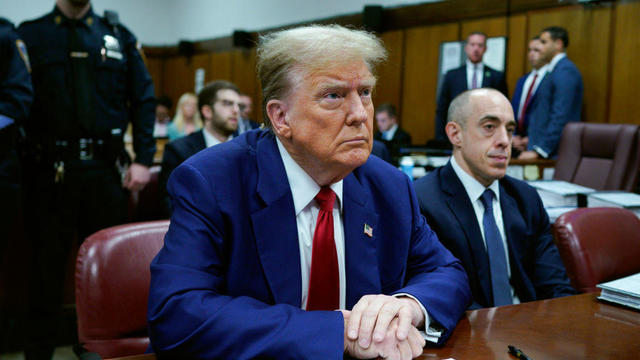
Prosecutors in former President Donald Trump's criminal trial in New York called their fifth witness to the stand as proceedings continued Tuesday.

A unified public transit system, state lawmakers and other stakeholders said Monday, would be more sustainable, reliable and safe.

Employees at dozens of now-closed Foxtrot Market and Dom's Kitchen stores, now jobless, wonder what comes next for them as their paychecks will soon end.
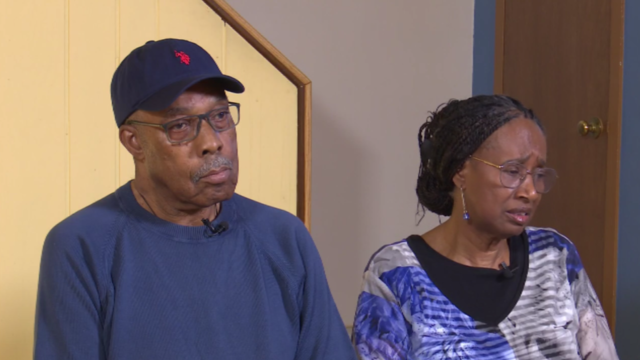
The family didn't get their cut of the estate sale, not hearing back from the salesman until CBS 2 got involved.
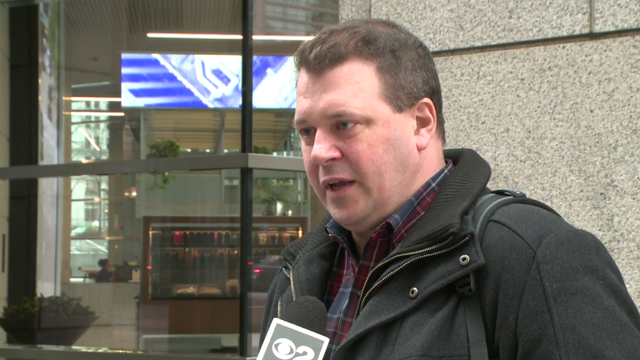
The Better Business Bureau warns that anyone buying an event ticket should watch out for fake ticket scams.

Financial records show Paul Croft and J.D. Frost raised about $30 million for a hydrogen plant that was supposed to be, at one point, in Indiana. It never existed, an attorney says.

Anyone with these sausages in their refrigerators should throw them away or return them to the store.

First known HIV cases from a nonsterile injection for cosmetic reasons highlights the risk of unlicensed providers.
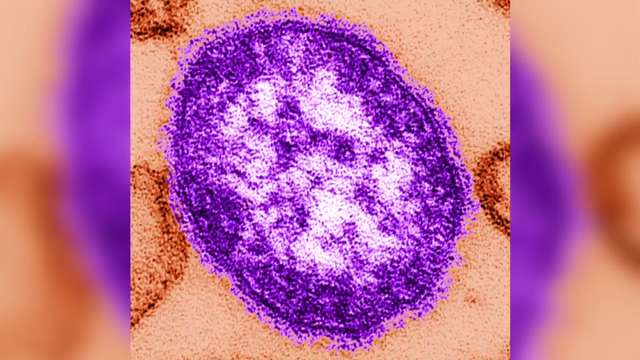
The city's measles dashboard said a total of 63 measles cases have been confirmed in Chicago this year, with one new case this week.

The department said anyone who visited the Sam's Club at 9400 S. Western Ave. in Evergreen Park one day last week may have been exposed to someone with measles.

Health officials are warning consumers not to consume Infinite Herbs basil sold at some Trader Joe's and Dierberg's stores after 12 people were sickened.
Officials said there was no known link between this case and the recent outbreak of measles at a migrant shelter in Chicago.

Mayor Brandon Johnson denied that the Bears' shiny new dome could end up costing taxpayers a pretty penny.
Employees at dozens of now-closed Foxtrot Market and Dom's Kitchen stores, now jobless, wonder what comes next for them as their paychecks will soon end.

The company announced Tuesday that it received a stalking horse bid to purchase its operating assets.
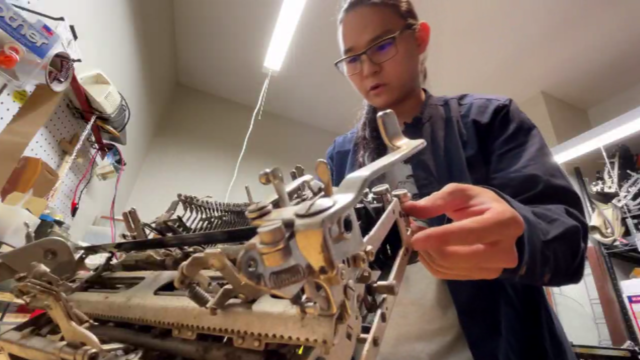
Dozens of typewriters clutter the shelves of the 24-year-old business owner's workshop inside his parents' home in Downers Grove.
The closure affects both Dom's locations in Chicago, and all 33 Foxtrot stores in Chicago, Texas, and the Washington D.C. area.

Paramount said long-time CEO Bob Bakish will leave the company, which is in discussions to explore a sale or merger.

The vinyl sales alone were monumental, Billboard said, with "the largest sales week for an album on vinyl in the modern era."
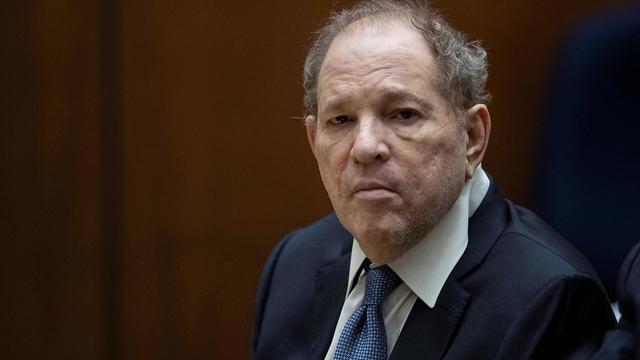
Harvey Weinstein's 2020 conviction on felony sex crime charges has been overturned by the State of New York Court of Appeals.
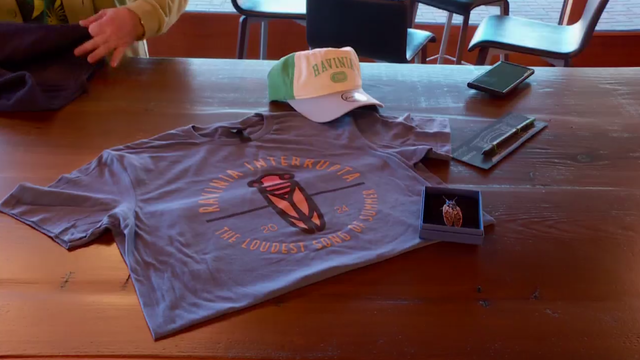
Still, Ravinia is capitalizing on the situation with a limited-edition shirt—reading, "Ravinia Interrupta," and calling the cicada buzz the loudest song of summer.

The singer was found deceased at her home, a representative said.
A 14-year-old boy was killed and four other people were hurt after a man attacked them with a sword in London, England.
People can help reduce the number by visiting any of the shelters in Chicago, including PAWS and Chicago Animal Care and Control. If you can't adopt permanently, shelters also seek foster parents to clear space.
CBS 2 Meteorologist David Yeomans has a look at the extended forecast.
As concern grows over the rapid growth of artificial intelligence, the government is asking leading AI companies for advice. Michael Yoshida explains how CEOs from companies prevent potential disasters.
Head over to RPM in River North for steak and, of course, a seafood tower.
Judge Juan Merchan said Trump violated the order nine times in recent weeks and fined him $1,000 for each violation.
The protesters have been camping out in Deering Meadow on the Evanston campus since Thursday morning.
The proposal would recognize the medical uses of cannabis and acknowledge it has less potential for abuse than some other drugs.
A coalition of eight student organizations at DePaul issued a list of demands, including that DePaul "divest from companies that advance Palestinian suffering and profit off the occupation" of Gaza.
If you can't adopt permanently, shelters are looking for foster parents to clear space.
Expert panel discussion centers the focus on the disparity that 1 in 3 victims of crime in Chicago is a Black woman
Police arrived at the scene sooner than if they had waited for the first 911 call.
Anthony Robinson's attorney said his previous defense lawyer failed to present evidence that showed it was physically impossible for him to be the shooter.

The village board is working on a resolution to hire Lightfoot, a former federal prosecutor before her lone term as Chicago's mayor, to investigate claims Henyard has been misusing public funds.
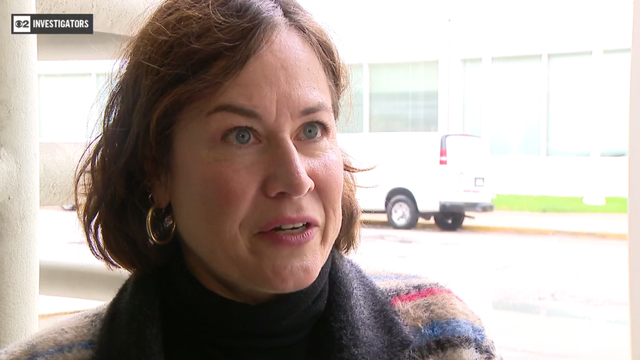
DCFS Director Heidi Mueller was asked Thursday why some kids in the system are being held in psychiatric hospitals longer than medically necessary.
Garrett Crochet pitched five innings for the White Sox, allowing two runs and five hits after dropping his previous three starts.
Christopher Morel hit a two-run homer off Edwin Díaz to snap a ninth-inning tie and the Chicago Cubs beat the New York Mets 3-1 after being held hitless by Luis Severino into the eighth.
Three days ago, the Chicago White Sox had just three wins through 25 games. They doubled that after a sweep of the Tampa Bay Rays.

Along with the young new stars, the Sky also has a new coach in Hall of Famer Teresa Weatherspoon. It's a new situation for everyone involved.
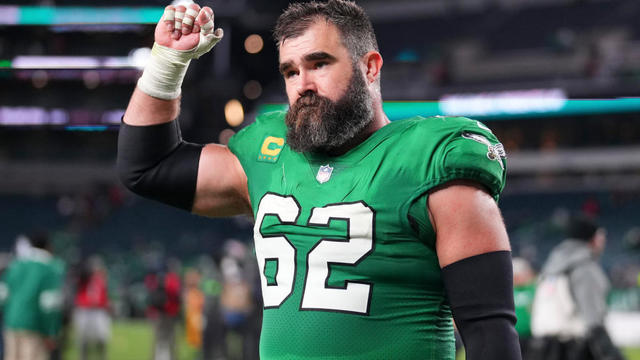
Philadelphia Eagles great Jason Kelce is heading to ESPN's Monday Night Countdown, CBS Sports reported on Monday.

They were shot near the sidewalk in the 1200 block of North Keeler Avenue around 1 p.m., according to Chicago police.
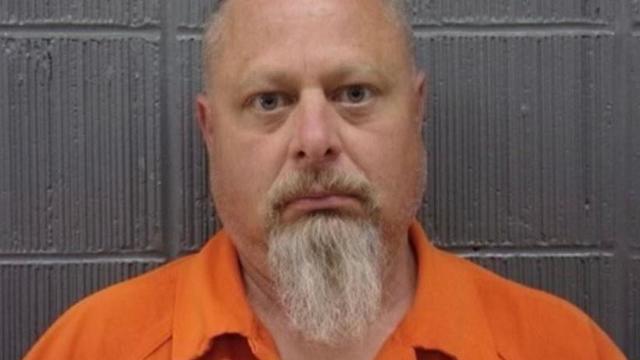
Prosecutors asked the judge to prohibit the defense from mentioning words, including "cult or ritualistic killing" and the religion known as "Odinism."
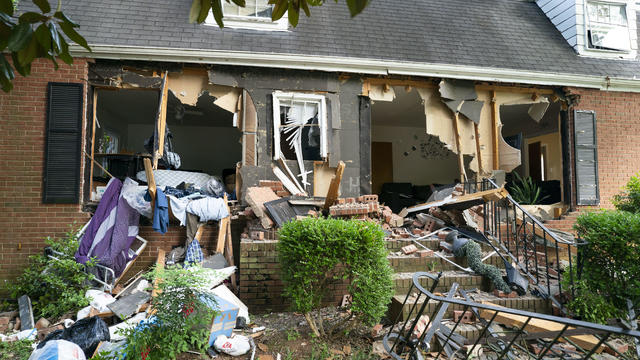
A U.S. Marshals Service fugitive task force was attempting to serve a warrant in Charlotte when the shooting started, the police said.

The ages of the victims range from 14 to 39.
Xavier Tate Jr., 22, is charged with first-degree murder in an arrest warrant filed Friday.