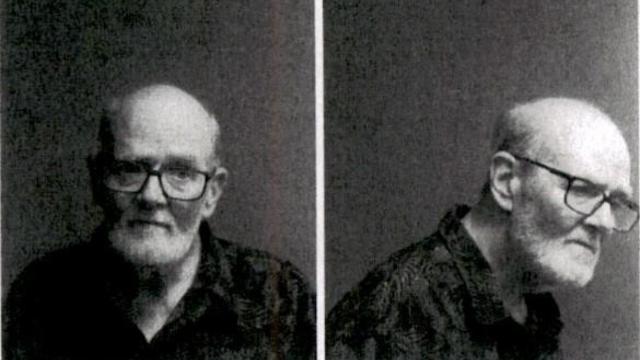
Elderly Missouri man charged in 1966 stabbing death of Calumet City woman
James Barbier, 79, is charged with first-degree murder in the 1966 stabbing death of 18-year-old Karen Snider at her home in Calumet City.
Watch CBS News

Breaking News, First Alert Weather, Exclusive Investigations & Community Journalism
James Barbier, 79, is charged with first-degree murder in the 1966 stabbing death of 18-year-old Karen Snider at her home in Calumet City.
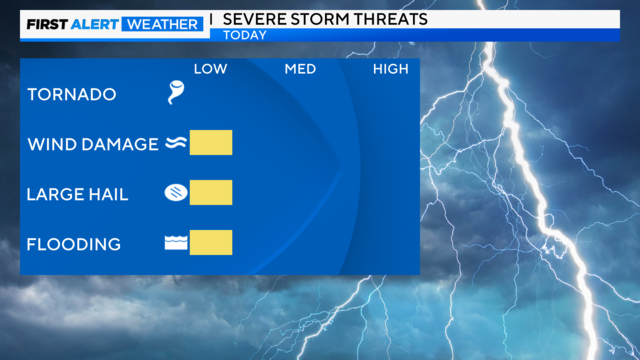
The National Weather Service has issued a severe thunderstorm warning for parts of Kendall and Will counties until 2:30 p.m. The storm could bring 60 mph wind gusts and quarter-sized hail.

Xavier Tate Jr., 22, was charged with first-degree murder in an arrest warrant filed Friday.

College campus protests in solidarity with Palestinians amid Israel's war with Hamas in the Gaza Strip are spreading far beyond the U.S.

Joshua Dean was a quality inspector at Spirit AeroSystems, which builds the bulk of the 737 Max for Boeing, and recently died from a fast-spreading infection.

The robbery happened on April 7 around 8:30 p.m. at the Cermak-Chinatown stop in the 100 block of West Cermak Road.

The IRS is tapping Inflation Reduction Act funding to hire more agents and go after more tax cheats. Here's where it is focusing.

CBS News Chicago is offering a series of Money Talks to help get you more familiar with money management.

Breaking News, First Alert Weather, Exclusive Investigations & Community Journalism
The National Weather Service has issued a severe thunderstorm warning for parts of Kendall and Will counties until 2:30 p.m. The storm could bring 60 mph wind gusts and quarter-sized hail.

CBS 2 News Chicago's weather forecast model — First Alert — helps digital users and traditional television viewers stay on top of Chicago's dynamic weather.
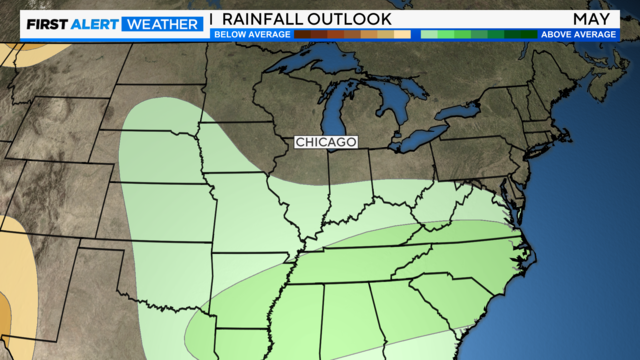
As the climate warms, May rainfall is getting heavier in Chicago.

Expert panel discussion centers the focus on the disparity that 1 in 3 victims of crime in Chicago is a Black woman
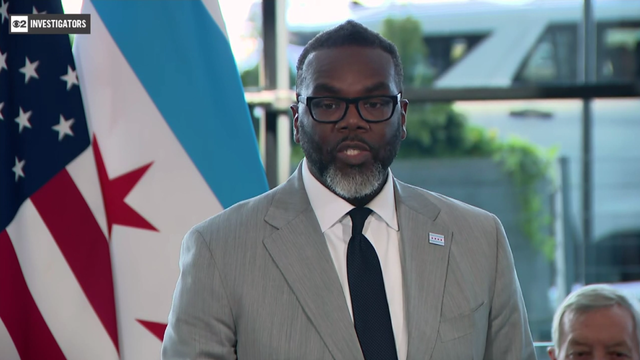
Police arrived at the scene sooner than if they had waited for the first 911 call.

Anthony Robinson's attorney said his previous defense lawyer failed to present evidence that showed it was physically impossible for him to be the shooter.

U.S. Rep. Delia Ramirez, a Democrat who represents parts of Chicago, spoke to CBS 2 Streaming Anchor Brad Edwards on several big issues like campus protests calling for a cease-fire in Gaza and her vote against a bill that could lead to the banning of TikTok.

CSB 2's Jackie Kostek is jumpstarting your day with the 26th annual "Toast to Harry Caray."

The union representing more than 2,200 Chicago Park District workers has ratified a tentative five-year contract agreement that will provide $28 million worth of pay raises and other benefits.

This week, it's Amy Johnson from PAWS Chicago, and she's joined by a cute dog named Flute who's looking for a special forever home.
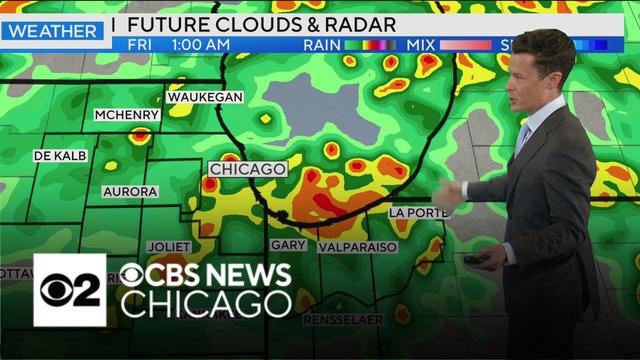
CBS 2 Meteorologist David Yeomans has a look at the extended forecast.

Shota Imanaga (5-0), making his sixth start, allowed three hits and walked one with seven strikeouts to lower his ERA to 0.78.

Max Kepler and José Miranda hit run-scoring singles to put Minnesota ahead in the seventh, and the Twins rallied late for their 10th straight win, 10-5 over the Chicago White Sox on Wednesday.

He is taking over the wheel for his wife, Leah Pruett, a veteran drag racer who coached his husband in a very different circuit for Stewart.

At about 1,000 feet above the Magnificent Mile, she's installed her new work, "Locals Only," highlighting some of Chicago's various neighborhoods

Those who get their food bank orders delivered don't have to pay for delivery. The drivers are paid by the food bank and through a grant from DoorDash.

Theodore Roosevelt High School, 730 W. 25th Ave., was one of three high schools in Indiana built specifically to serve the educational needs of Black Americans in the Jim Crow era.
Joshua Dean was a quality inspector at Spirit AeroSystems, which builds the bulk of the 737 Max for Boeing, and recently died from a fast-spreading infection.
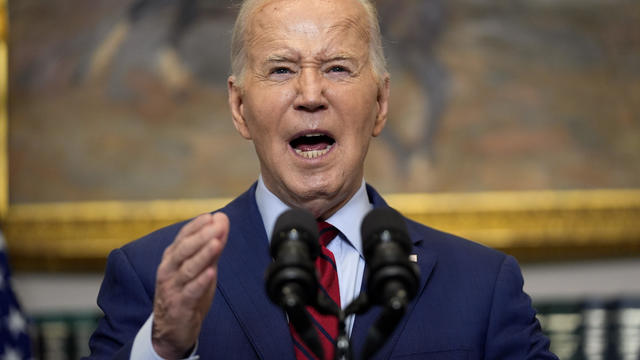
President Biden said "no," the National Guard should not intervene in the protests.
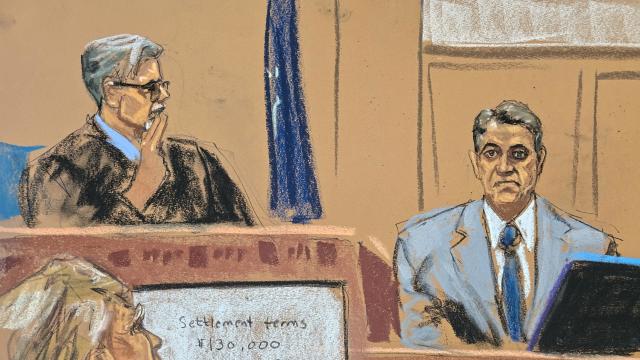
An attorney who represented two women seeking payments in 2016 for their silence about alleged sexual encounters with Donald Trump is continuing his testimony.

The suit, filed by three Jewish students, called the encampment "a dystopic cesspool of hate in the 2 school's lush green center," and accused Northwestern of coddling the protest.

A meeting on the subject Wednesday was not in person, but virtual—and notably absent was Gov. Pritzker himself.

Employees at dozens of now-closed Foxtrot Market and Dom's Kitchen stores, now jobless, wonder what comes next for them as their paychecks will soon end.
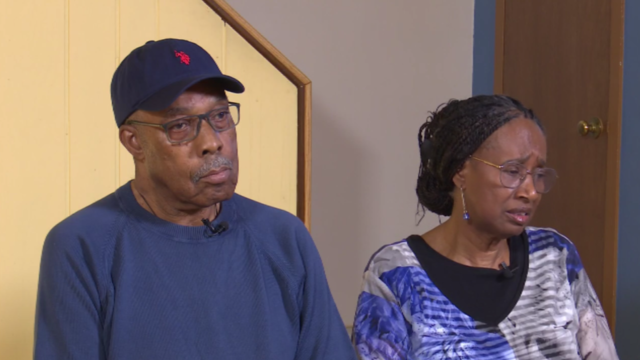
The family didn't get their cut of the estate sale, not hearing back from the salesman until CBS 2 got involved.

The Better Business Bureau warns that anyone buying an event ticket should watch out for fake ticket scams.

Financial records show Paul Croft and J.D. Frost raised about $30 million for a hydrogen plant that was supposed to be, at one point, in Indiana. It never existed, an attorney says.

Anyone with these sausages in their refrigerators should throw them away or return them to the store.

First known HIV cases from a nonsterile injection for cosmetic reasons highlights the risk of unlicensed providers.
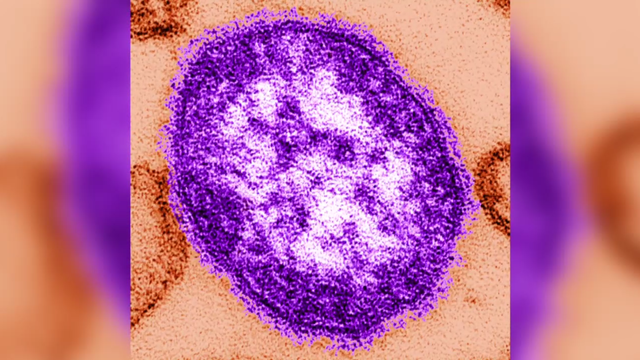
The city's measles dashboard said a total of 63 measles cases have been confirmed in Chicago this year, with one new case this week.

The department said anyone who visited the Sam's Club at 9400 S. Western Ave. in Evergreen Park one day last week may have been exposed to someone with measles.

Health officials are warning consumers not to consume Infinite Herbs basil sold at some Trader Joe's and Dierberg's stores after 12 people were sickened.
Officials said there was no known link between this case and the recent outbreak of measles at a migrant shelter in Chicago.

The Illinois Worker Adjustment and Retraining Notification (WARN) Act requires employers to notify workers of mass layoffs 60 days in advance.

Mayor Brandon Johnson denied that the Bears' shiny new dome could end up costing taxpayers a pretty penny.
Employees at dozens of now-closed Foxtrot Market and Dom's Kitchen stores, now jobless, wonder what comes next for them as their paychecks will soon end.

The company announced Tuesday that it received a stalking horse bid to purchase its operating assets.

Dozens of typewriters clutter the shelves of the 24-year-old business owner's workshop inside his parents' home in Downers Grove.

"Happy 9th Birthday, Princess Charlotte!" the Prince and Princess of Wales said in a social media post with a new photo of their daughter taken by Kate.

Paramount said long-time CEO Bob Bakish will leave the company, which is in discussions to explore a sale or merger.

The vinyl sales alone were monumental, Billboard said, with "the largest sales week for an album on vinyl in the modern era."

Harvey Weinstein's 2020 conviction on felony sex crime charges has been overturned by the State of New York Court of Appeals.

Still, Ravinia is capitalizing on the situation with a limited-edition shirt—reading, "Ravinia Interrupta," and calling the cicada buzz the loudest song of summer.
U.S. Rep. Delia Ramirez, a Democrat who represents parts of Chicago, spoke to CBS 2 Streaming Anchor Brad Edwards on several big issues like campus protests calling for a cease-fire in Gaza and her vote against a bill that could lead to the banning of TikTok.
CSB 2's Jackie Kostek is jumpstarting your day with the 26th annual "Toast to Harry Caray."
The union representing more than 2,200 Chicago Park District workers has ratified a tentative five-year contract agreement that will provide $28 million worth of pay raises and other benefits.
This week, it's Amy Johnson from PAWS Chicago, and she's joined by a cute dog named Flute who's looking for a special forever home.
CBS 2 Meteorologist David Yeomans has a look at the extended forecast.
James Barbier, 79, is charged with first-degree murder in the 1966 stabbing death of 18-year-old Karen Snider at her home in Calumet City.
The National Weather Service has issued a severe thunderstorm warning for parts of Kendall and Will counties until 2:30 p.m. The storm could bring 60 mph wind gusts and quarter-sized hail.
Xavier Tate Jr., 22, was charged with first-degree murder in an arrest warrant filed Friday.
College campus protests in solidarity with Palestinians amid Israel's war with Hamas in the Gaza Strip are spreading far beyond the U.S.
Joshua Dean was a quality inspector at Spirit AeroSystems, which builds the bulk of the 737 Max for Boeing, and recently died from a fast-spreading infection.
Expert panel discussion centers the focus on the disparity that 1 in 3 victims of crime in Chicago is a Black woman
Police arrived at the scene sooner than if they had waited for the first 911 call.
Anthony Robinson's attorney said his previous defense lawyer failed to present evidence that showed it was physically impossible for him to be the shooter.

The village board is working on a resolution to hire Lightfoot, a former federal prosecutor before her lone term as Chicago's mayor, to investigate claims Henyard has been misusing public funds.
DCFS Director Heidi Mueller was asked Thursday why some kids in the system are being held in psychiatric hospitals longer than medically necessary.
Shota Imanaga (5-0), making his sixth start, allowed three hits and walked one with seven strikeouts to lower his ERA to 0.78.
Max Kepler and José Miranda hit run-scoring singles to put Minnesota ahead in the seventh, and the Twins rallied late for their 10th straight win, 10-5 over the Chicago White Sox on Wednesday.
He is taking over the wheel for his wife, Leah Pruett, a veteran drag racer who coached his husband in a very different circuit for Stewart.
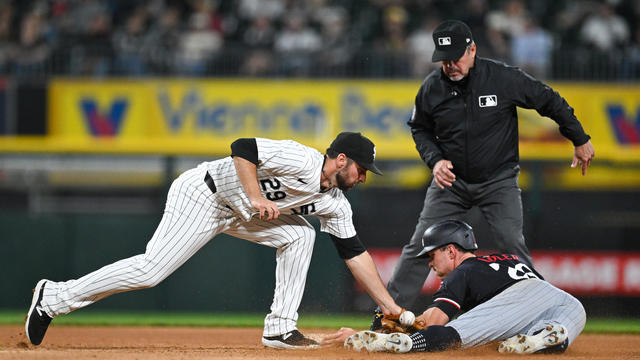
The Sox' Andrew Benintendi homered leading off the eighth to tie it at 5 after Minnesota scored twice in the top half. But the Twins pulled it out in the ninth.

The teams were hitless in six plate appearances with runners in scoring position against the starters.
James Barbier, 79, is charged with first-degree murder in the 1966 stabbing death of 18-year-old Karen Snider at her home in Calumet City.
Xavier Tate Jr., 22, was charged with first-degree murder in an arrest warrant filed Friday.

A 29-year-old man was shot in the stomach and leg and later died at the University of Chicago Hospital.

Officials say that a school shooting threat was "neutralized" at a middle school west of Madison, Wisconsin, Wednesday morning, with no reported injuries to those inside the school.

Police said officers were flagged down at the school around 11:45 a.m., after a female entered the school, approached a group of eight teen females, all between 15 and 19 years old, and sprayed a chemical irritant.