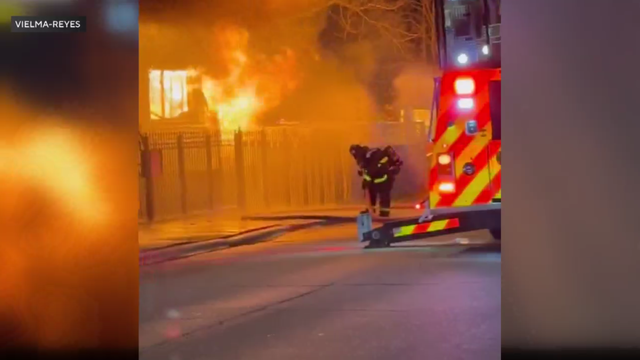
Extra-alarm fire rages in Pilsen apartment house, spreads to neighboring homes
The house where the fire started ended up collapsing.
Watch CBS News

Breaking News, First Alert Weather, Exclusive Investigations & Community Journalism
The house where the fire started ended up collapsing.
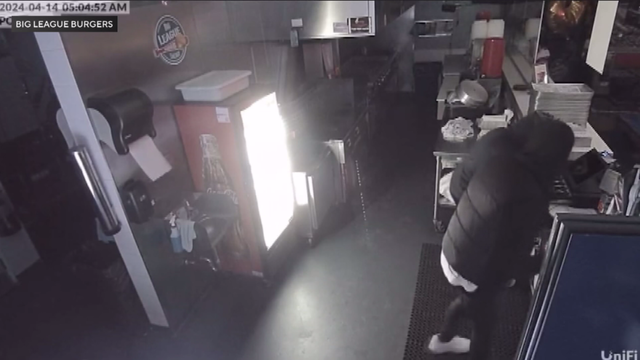
In the wake of the burglaries, the business owners called on the City of Chicago do more to prevent such crimes.
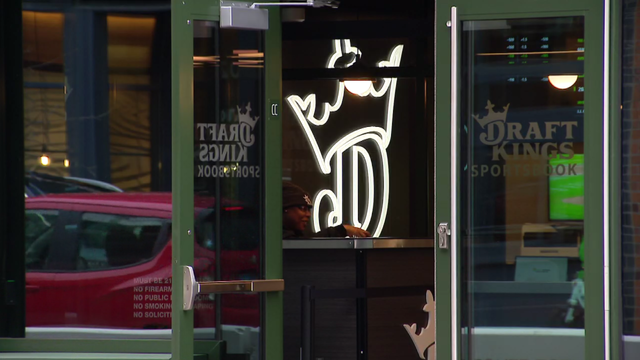
Right now, Illinois sports books pay 15% tax on their revenue. But Gov. JB Pritzker's latest budget proposal would spike the tax to 35%.

The Great Cicada Invasion of 2024 in Illinois is almost here, and bug experts have created maps of the attack.
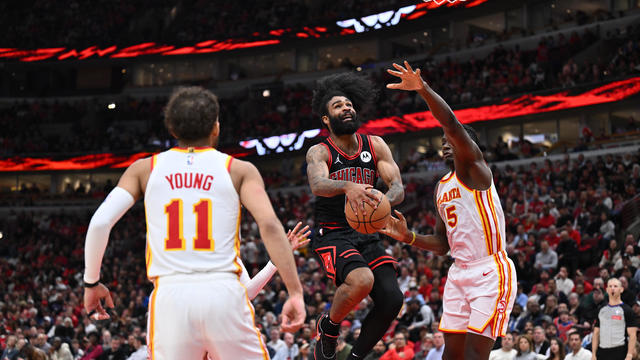
White, whose previous high was 37, went hard at the rim throughout the game and had fans chanting his name down the stretch.
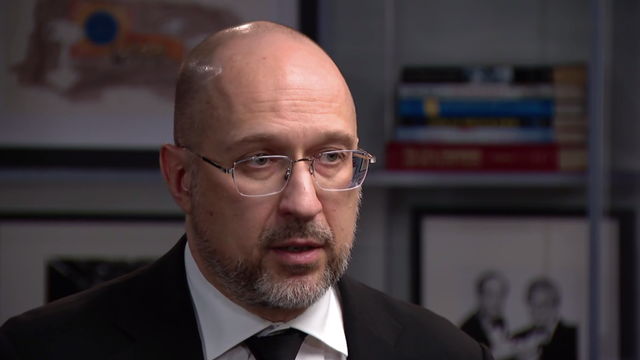
During his quick stop in Chicago, Shmyhal also made time for one interview – with CBS 2.
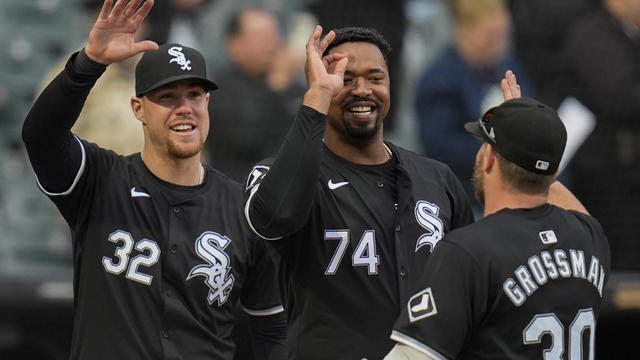
Gavin Sheets homered, Erick Fedde pitched scoreless ball into the sixth inning and the struggling Chicago White Sox edged the Kansas City Royals 2-1 for a doubleheader split that ended a six-game slide.
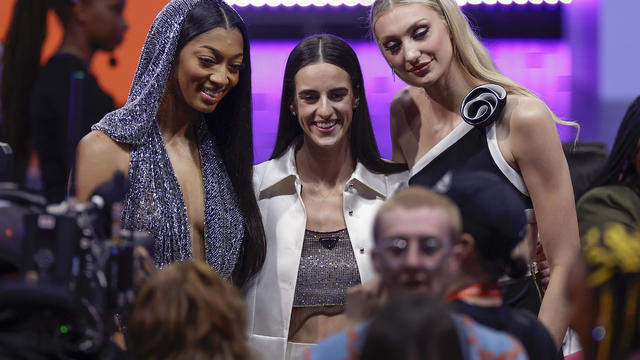
Some fans may be surprised to see WNBA players' starting base pay under $80,000, but why is the league structured like this?

Breaking News, First Alert Weather, Exclusive Investigations & Community Journalism
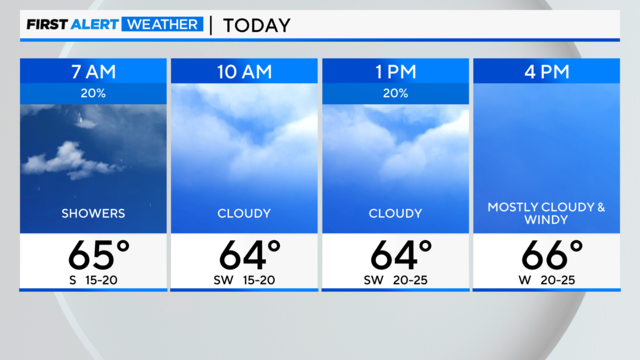
A windy afternoon is ahead with west winds gusting 40 to 45 miles per hour.
CBS 2 News Chicago's weather forecast model — First Alert — helps digital users and traditional television viewers stay on top of Chicago's dynamic weather.
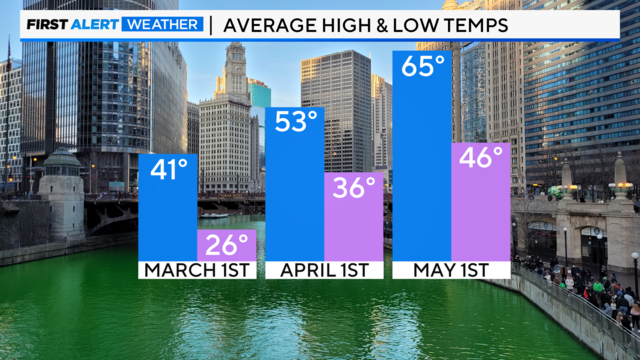
The emergence of greenery and blossoms is underway soon as El Niño fades away, and we transition to a neutral weather pattern.
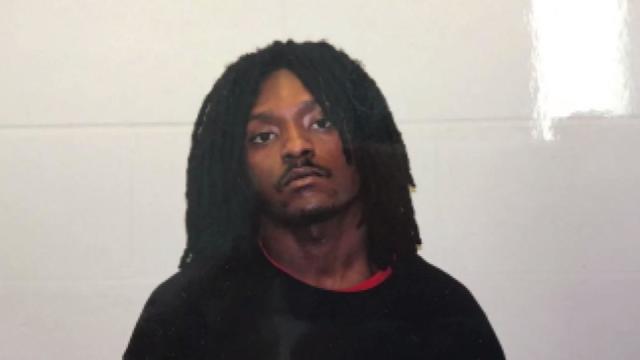
Anthony Robinson's attorney said his previous defense lawyer failed to present evidence that showed it was physically impossible for him to be the shooter.
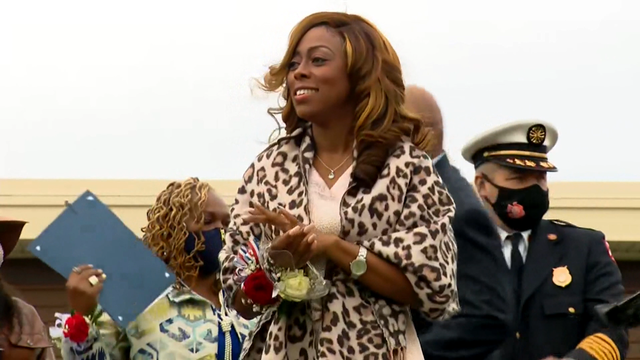
The village board is working on a resolution to hire Lightfoot, a former federal prosecutor before her lone term as Chicago's mayor, to investigate claims Henyard has been misusing public funds.
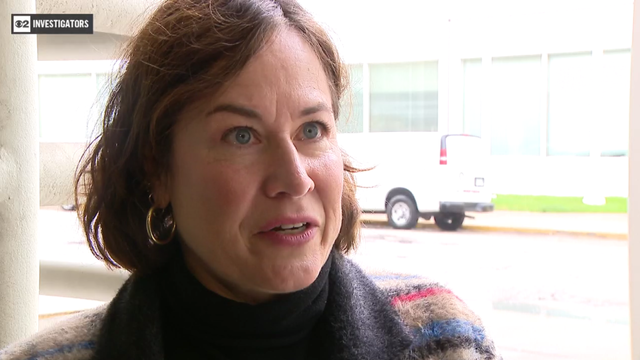
DCFS Director Heidi Mueller was asked Thursday why some kids in the system are being held in psychiatric hospitals longer than medically necessary.
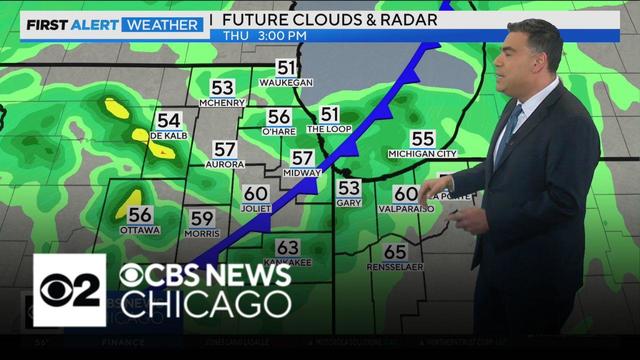
CBS 2 Chief Meteorologist Albert Ramon has your 10 p.m. First Alert Weather forecast for Wednesday, April 17, 2024.
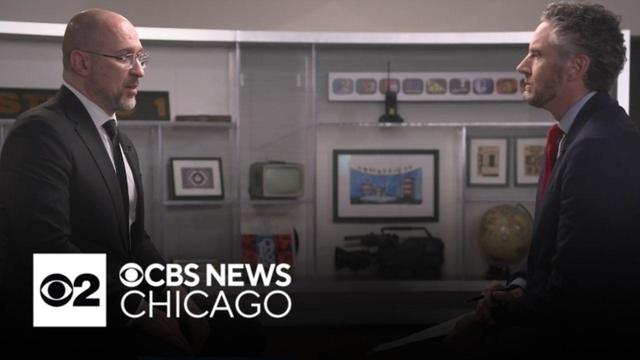
During his quick stop in Chicago, Ukrainian Prime Minister Denys Shmyhal also made time for one interview – with CBS 2's Brad Edwards.
The goal of Know2Protect is to educate both children and parents about exploitation and abuse.
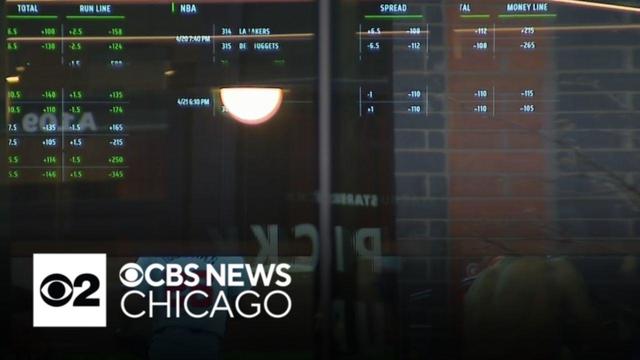
On one side, Gov. JB Pritzker is trying to more than double taxes on winning bets. On the other, the betting companies are now asking their customers to get involved to stop it. CBS 2's Charlie De Mar reports.
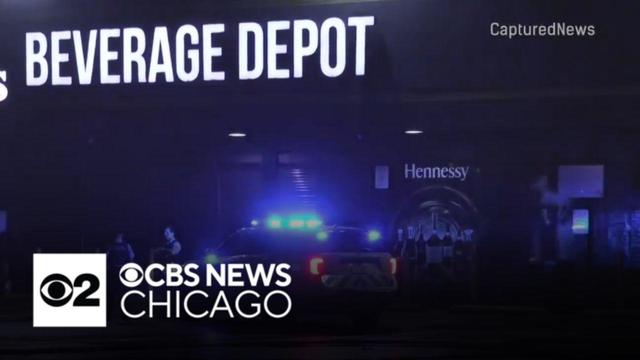
Three men were wounded in a drive-by shooting Tuesday night at 66th and Halsted streets in Englewood. An evening later, two of the three attended a vigil.
White, whose previous high was 37, went hard at the rim throughout the game and had fans chanting his name down the stretch.
Gavin Sheets homered, Erick Fedde pitched scoreless ball into the sixth inning and the struggling Chicago White Sox edged the Kansas City Royals 2-1 for a doubleheader split that ended a six-game slide.
Some fans may be surprised to see WNBA players' starting base pay under $80,000, but why is the league structured like this?
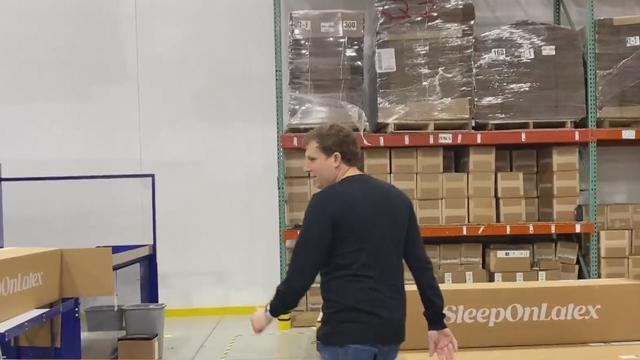
The company SleepOnLatex makes eco-friendly mattresses and just launched a new brand called "Earthfoam."
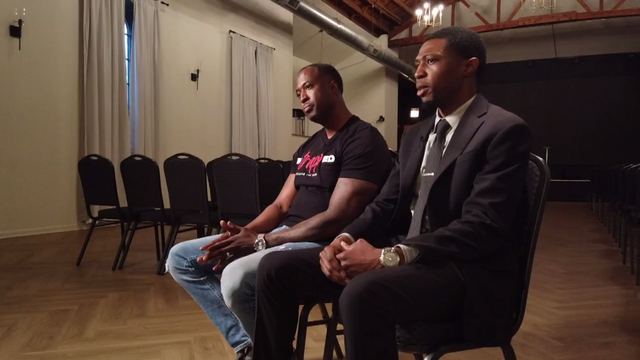
The process of helping former felons who have turned their lives around get a fresh start and find work often starts with getting criminal records expunged.
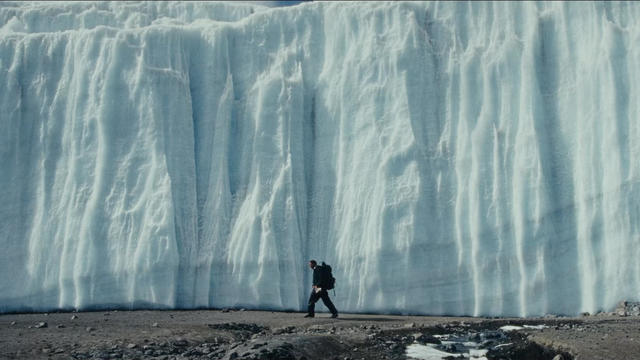
The film takes viewers on a journey through the life of scientist Lonnie Thompson, one of the world's leading climate change researchers.
During his quick stop in Chicago, Shmyhal also made time for one interview – with CBS 2.
Right now, Illinois sports books pay 15% tax on their revenue. But Gov. JB Pritzker's latest budget proposal would spike the tax to 35%.
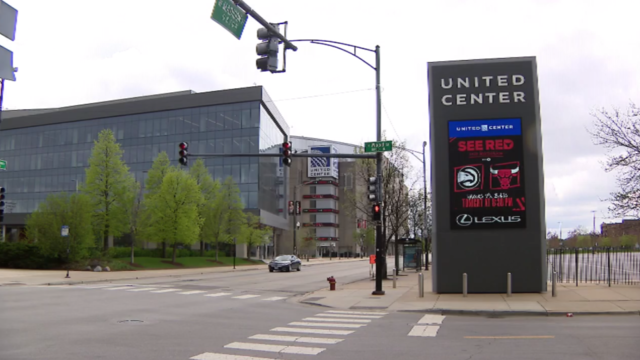
A buffer zone around the arena will be in place for nine days during which common activities like dog walking will not be allowed.
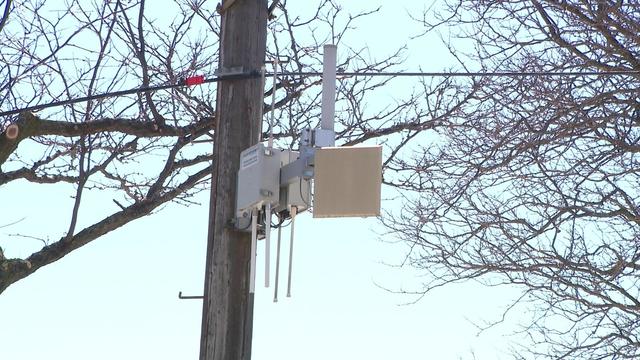
Aldermen were set to vote Wednesday on a measure to require a full City Council vote before removing ShotSpotter from any wards, but two allies of the mayor moved to delay the vote.
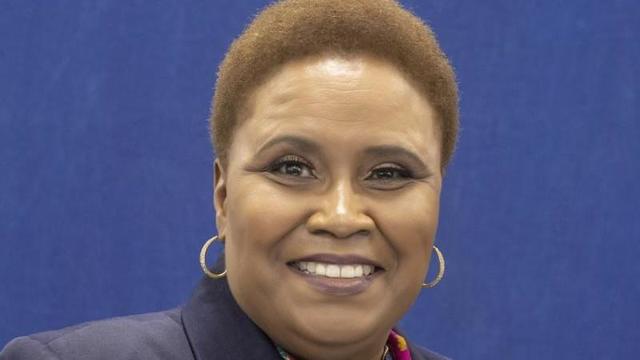
"The beauty of her leadership, it's not just defined by how long her legacy will last, because it will last forever. The beauty of Karen is that her love endures," Mayor Brandon Johnson said.
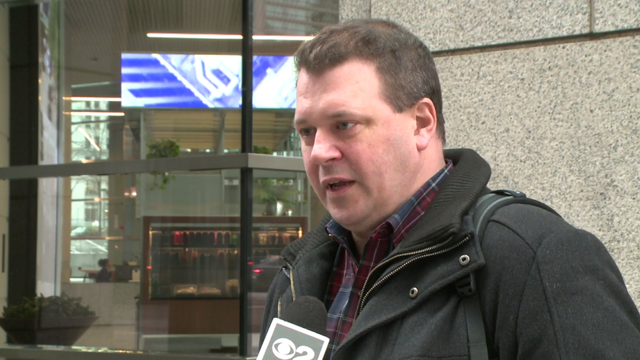
The Better Business Bureau warns that anyone buying an event ticket should watch out for fake ticket scams.
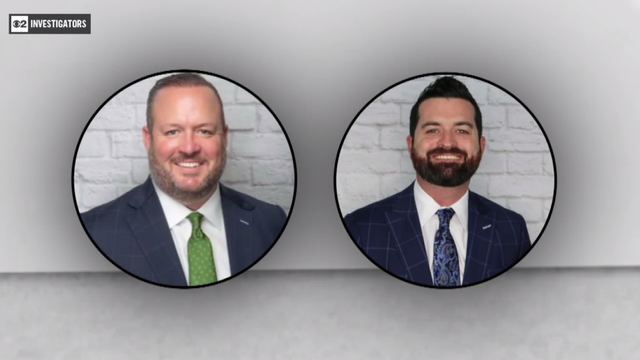
Financial records show Paul Croft and J.D. Frost raised about $30 million for a hydrogen plant that was supposed to be, at one point, in Indiana. It never existed, an attorney says.
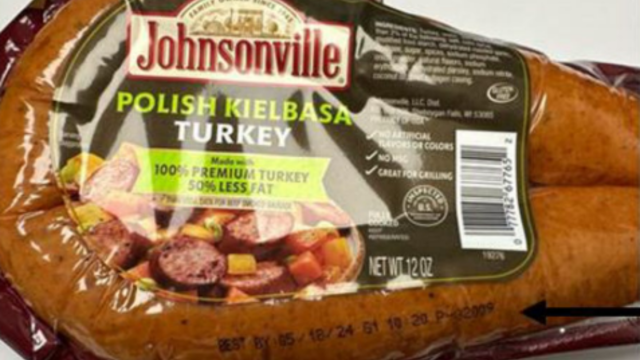
Anyone with these sausages in their refrigerators should throw them away or return them to the store.
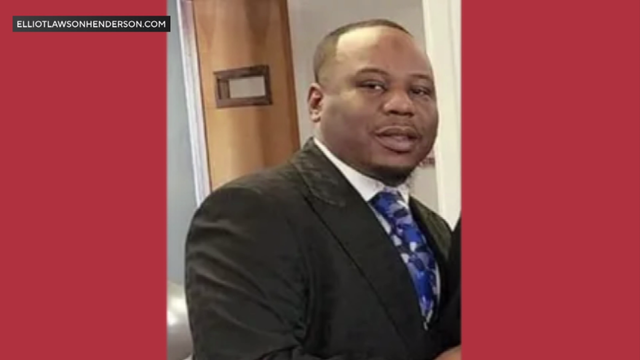
Elliott Henderson, of south suburban Glenwood, is featured on a website, a petition, and Facebook and Instagram pages -- all dedicated to warning others about his travel deals.
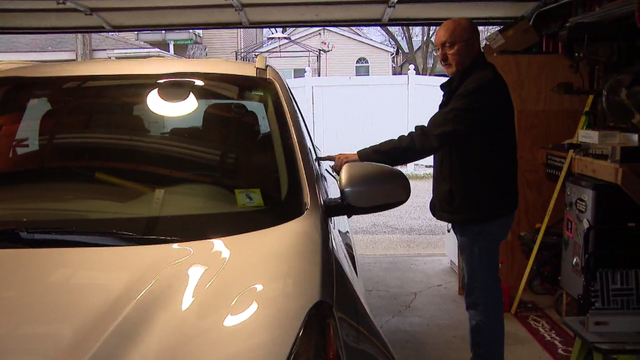
It all stems from the cars being easier targets for thieves because of their design.
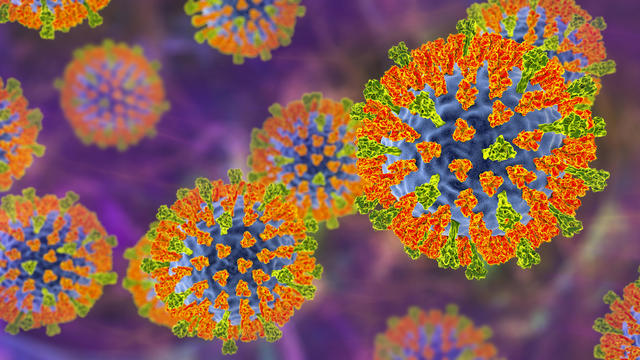
Officials said there was no known link between this case and the recent outbreak of measles at a migrant shelter in Chicago.
Health department officials said the case does not appear to be linked to new migrant arrival shelters in Chicago, and the source of infection is unknown.
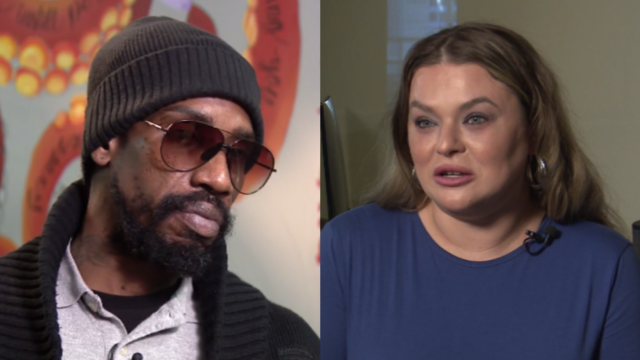
The fake dentist also faces accusations of practicing while unlicensed in Nevada and was even arrested before treating patients in the Chicago suburbs.

The prepackaged boxes of deli meat, cheese and crackers are not a healthy choice for kids, advocacy group says.

Every week, more than 100 hypertensive Medicaid patients receive a box of fresh produce delivered to their home for free.
Right now, Illinois sports books pay 15% tax on their revenue. But Gov. JB Pritzker's latest budget proposal would spike the tax to 35%.

Currently, a pair of two-story vintage buildings occupy the space.
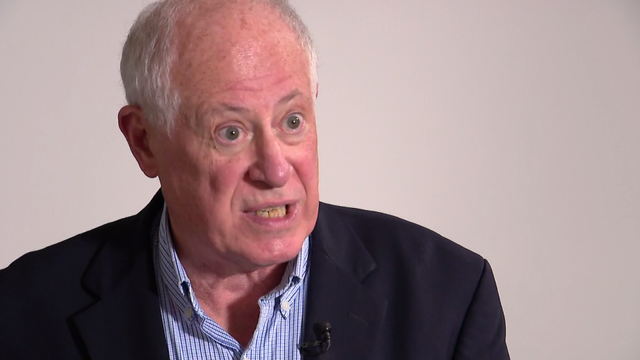
Quinn has filed an ordinance with the Chicago city clerk that would ask the City Council to put a referendum on the November ballot allowing voters to decide if their tax dollars should support new stadiums.

The Lincoln Square standby, at 4721 N. Lincoln Ave., first announced its plans to close in September.
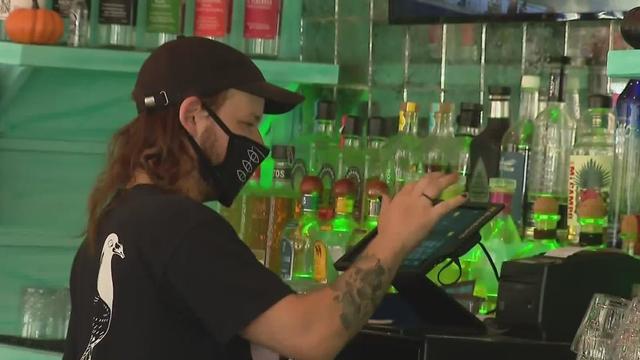
Businesses can currently pay $8.40 an hour and use tips to make up the difference. So, an employee gets at least the state-required $14-an-hour minimum wage.
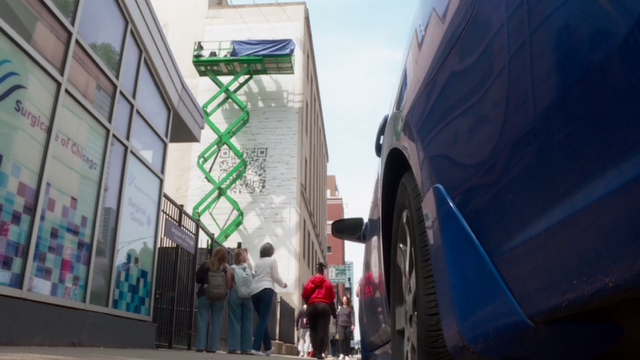
The mural was unveiled on the side of the building at the southeast corner the Chicago Medical Society building at Grand Avenue Dearborn Street.
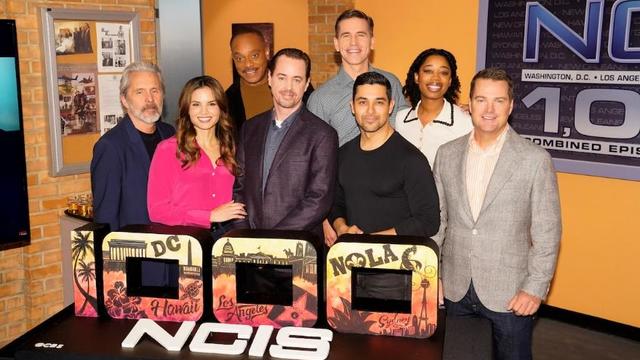
In the 1,000th episode, titled "A Thousand Yards," NCIS comes under attack by a mysterious enemy from the past.
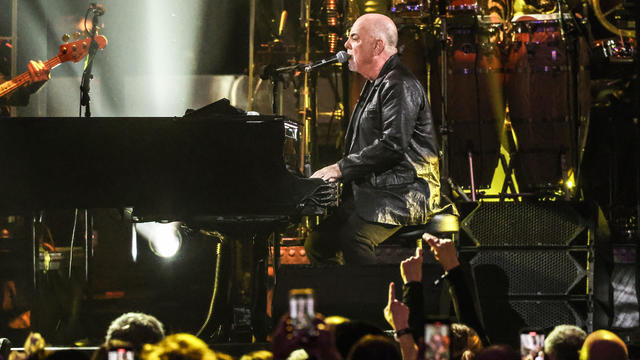
A Billy Joel special on CBS and Paramount+ will air again after it was cut off in the middle of the singer's performance of "Piano Man."
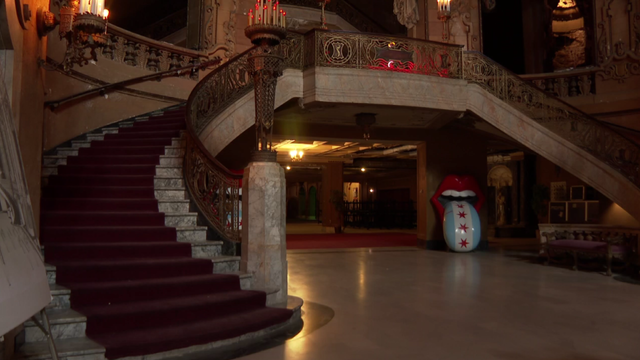
Restoration would likely take at least two years.
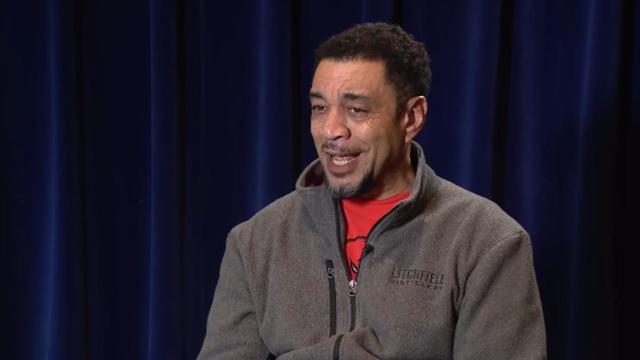
Written three years before WIlson's death, the one-man play tells several stories from the playwright's storied career, and the lessons they taught him as a Black artist in America.
CBS 2 Chief Meteorologist Albert Ramon has your 10 p.m. First Alert Weather forecast for Wednesday, April 17, 2024.
During his quick stop in Chicago, Ukrainian Prime Minister Denys Shmyhal also made time for one interview – with CBS 2's Brad Edwards.
The goal of Know2Protect is to educate both children and parents about exploitation and abuse.
On one side, Gov. JB Pritzker is trying to more than double taxes on winning bets. On the other, the betting companies are now asking their customers to get involved to stop it. CBS 2's Charlie De Mar reports.
Three men were wounded in a drive-by shooting Tuesday night at 66th and Halsted streets in Englewood. An evening later, two of the three attended a vigil.
The house where the fire started ended up collapsing.
In the wake of the burglaries, the business owners called on the City of Chicago do more to prevent such crimes.
Right now, Illinois sports books pay 15% tax on their revenue. But Gov. JB Pritzker's latest budget proposal would spike the tax to 35%.
The Great Cicada Invasion of 2024 in Illinois is almost here, and bug experts have created maps of the attack.
White, whose previous high was 37, went hard at the rim throughout the game and had fans chanting his name down the stretch.
Anthony Robinson's attorney said his previous defense lawyer failed to present evidence that showed it was physically impossible for him to be the shooter.
The village board is working on a resolution to hire Lightfoot, a former federal prosecutor before her lone term as Chicago's mayor, to investigate claims Henyard has been misusing public funds.
DCFS Director Heidi Mueller was asked Thursday why some kids in the system are being held in psychiatric hospitals longer than medically necessary.
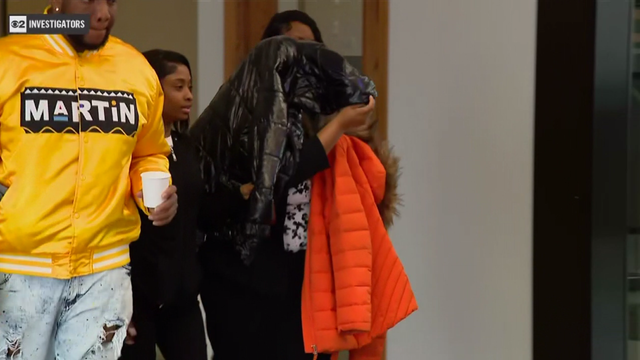
CBS 2 discovered the woman, Whitley Temple, was hired by the City of Chicago while awaiting trial.
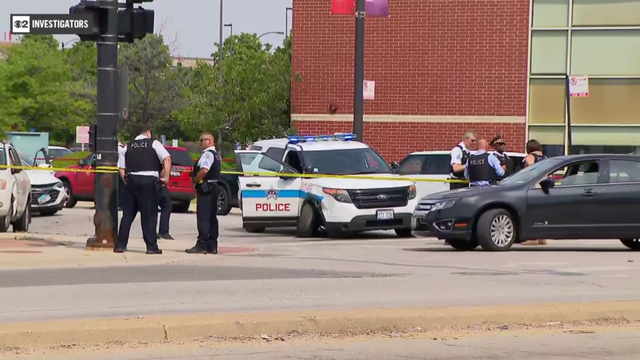
Whitley Temple pleaded not guilty to the charges — and after nearly two years of delays, the case goes before a Cook County judge for trial on Monday.
White, whose previous high was 37, went hard at the rim throughout the game and had fans chanting his name down the stretch.
Gavin Sheets homered, Erick Fedde pitched scoreless ball into the sixth inning and the struggling Chicago White Sox edged the Kansas City Royals 2-1 for a doubleheader split that ended a six-game slide.
Some fans may be surprised to see WNBA players' starting base pay under $80,000, but why is the league structured like this?
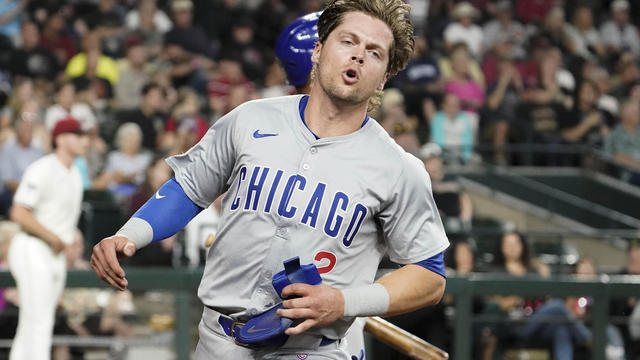
Cody Bellinger hit a go-ahead solo homer in the sixth inning, Mike Tauchman added an RBI double and the Chicago Cubs beat the Arizona Diamondbacks 5-3 on Wednesday.
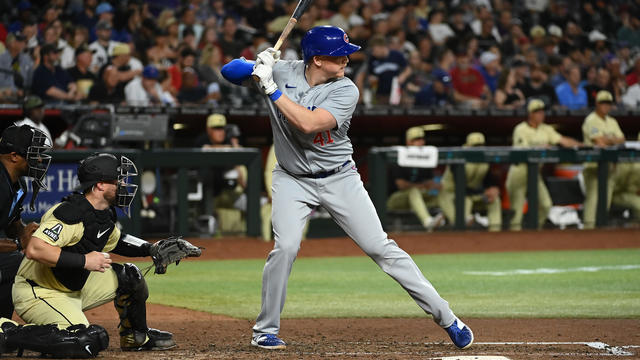
The teams split the first two games of the series, which both went into extra innings. They'll play the finale on Wednesday.
In the wake of the burglaries, the business owners called on the City of Chicago do more to prevent such crimes.
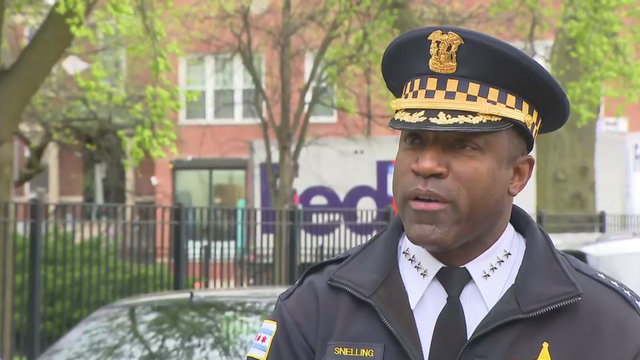
The shooting at a family gathering at a house on 52nd Street near Damen Avenue this past Saturday night left 9-year-old Arianna Molina dead and 10 others wounded.
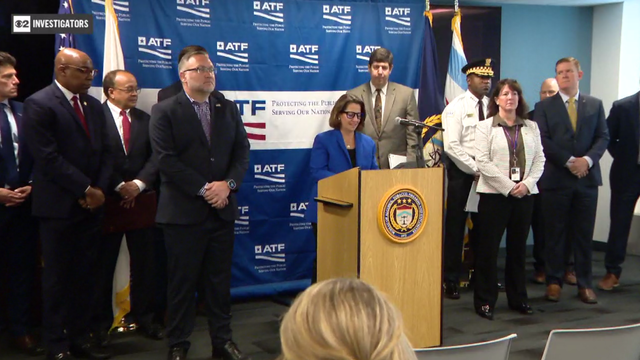
The federal, state, and local collaboration of agencies hopes to speed up the process of holding gun offenders accountable.
The process of helping former felons who have turned their lives around get a fresh start and find work often starts with getting criminal records expunged.
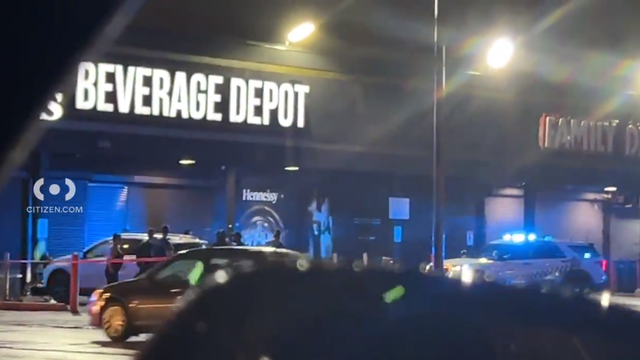
Information from police was not immediately available.