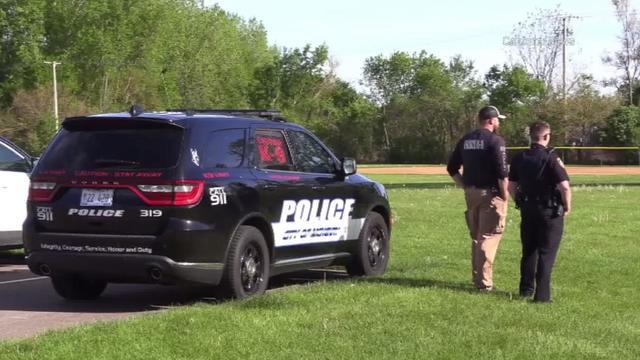
Man and dog attack woman at park in McHenry; man charged with attempted murder
Police determined a man, identified as Raymond Link, 47, attacked and battered a 59-year-old woman along with his unleashed dog.
Watch CBS News

Breaking News, First Alert Weather, Exclusive Investigations & Community Journalism
Police determined a man, identified as Raymond Link, 47, attacked and battered a 59-year-old woman along with his unleashed dog.

Faculty for Justice in Palestine has promised to support University of Chicago student protesters as the encampment continues to grow, going so far as to say they are willing to be arrested if it comes to that.
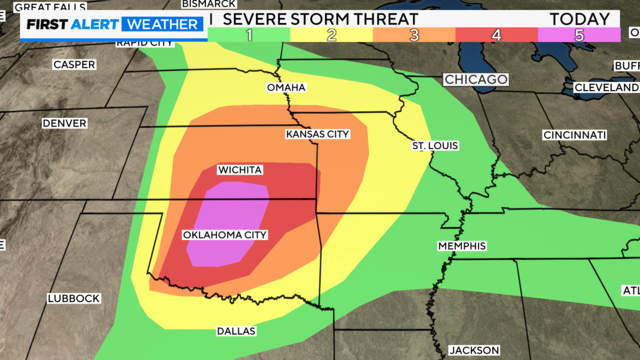
Lovely weather is in store until Tuesday, but two rounds of strong to severe storms could come soon.

Israel has not yet officially commented on Hamas' response to the reported ceasefire proposal.

Prosecutors are continuing to call witnesses in former President Donald Trump's criminal trial in New York, where jurors heard from a former Trump Organization executive.
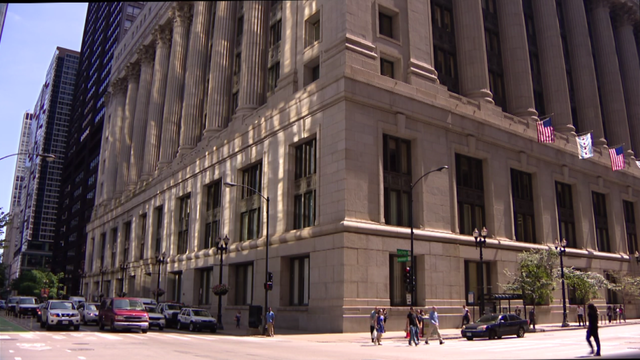
The settlement covers 12 current and former Water Department workers who claimed they were subjected to a "hostile and abusive work environment."

"Never in my wildest dreams would I imagine I would be able to study one of the best specimens of this iconic species."

"I'm still on, with my family, a journey to justice. It's not over, but we are closer than we ever were in 57 years."

Breaking News, First Alert Weather, Exclusive Investigations & Community Journalism
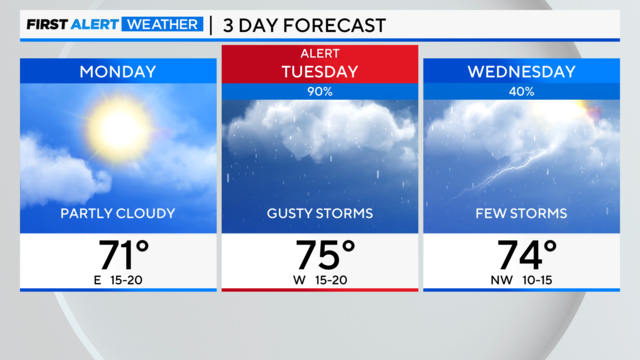
Monday's highs reach 70 degrees with mostly sunny skies.

CBS 2 News Chicago's weather forecast model — First Alert — helps digital users and traditional television viewers stay on top of Chicago's dynamic weather.
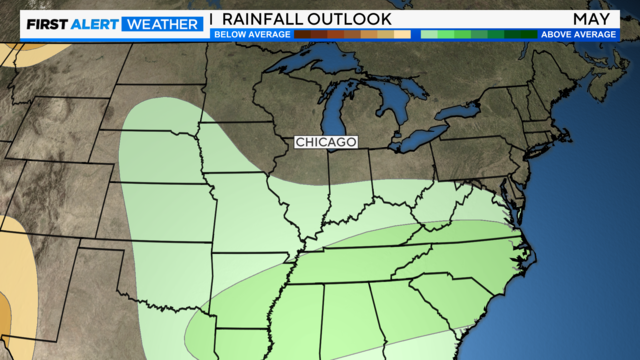
As the climate warms, May rainfall is getting heavier in Chicago.

Expert panel discussion centers the focus on the disparity that 1 in 3 victims of crime in Chicago is a Black woman
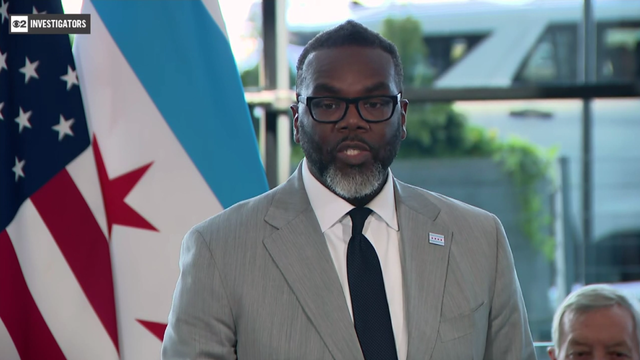
Police arrived at the scene sooner than if they had waited for the first 911 call.

Anthony Robinson's attorney said his previous defense lawyer failed to present evidence that showed it was physically impossible for him to be the shooter.
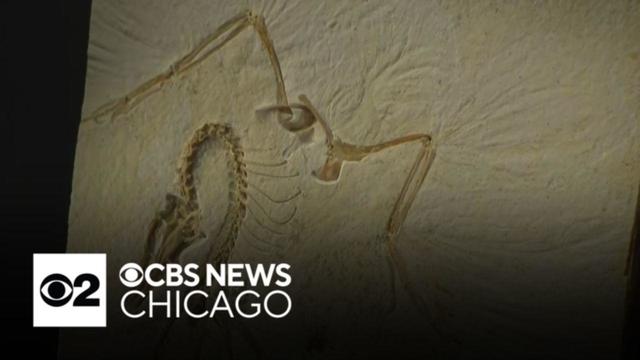
It's not only the best of its kind ever found, it's also the only one you can see at any major museum. The fossil is helping paleontologists study how birds evolved

Seventy-nine-year-old James Barbier was charged in connection to Snider's death in November of 1966. Her autopsy revealed the then 18-year-old mother was stabbed more than 120 times.
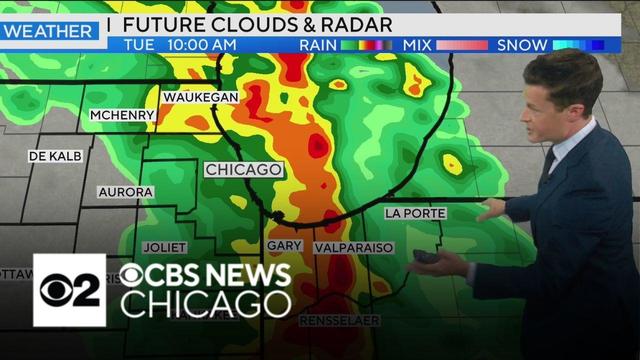
CBS 2 Meteorologist David Yeomans has a look at the extended forecast.

For the first time, Boeing is sending people into space on Monday. After years of delays and stumbles, the company’s Starliner capsule is sitting on the launchpad at Cape Canaveral in Florida for its first piloted launch.

Police were investigating a string of five armed robberies in less than an hour on Saturday in the Logan Square, West Town, and Wicker Park neighborhoods.

Chicago had lost 14 of its first 16 road games this season.

Chicago posted two straight wins against Milwaukee after losing 3-1 on Friday.

The Bears said Avellini died after a battle with cancer.

Activists based in Pilsen on the city's West Side and Greater Grand Crossing on the city's South Side stood together Friday – issuing a plea to put down the guns this Cinco de Mayo.
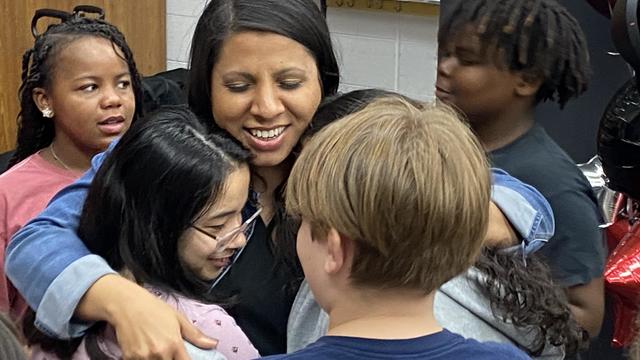
Dr. Rachael Mahmood was among 13 finalists from across the state.
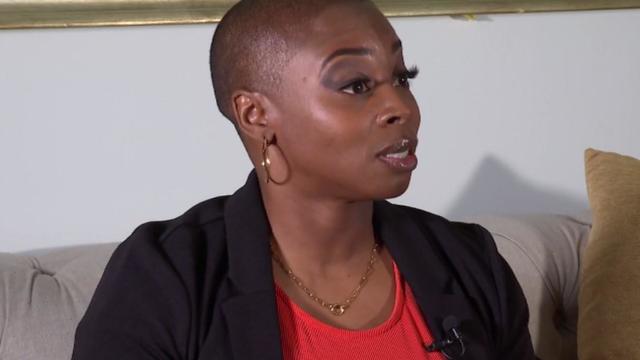
Tomitra Fluker, a Reclaim 13 survivor advocate who was trafficked by a close family member, wears her trauma proudly.
Prosecutors are continuing to call witnesses in former President Donald Trump's criminal trial in New York, where jurors heard from a former Trump Organization executive.
The settlement covers 12 current and former Water Department workers who claimed they were subjected to a "hostile and abusive work environment."
Israel has not yet officially commented on Hamas' response to the reported ceasefire proposal.
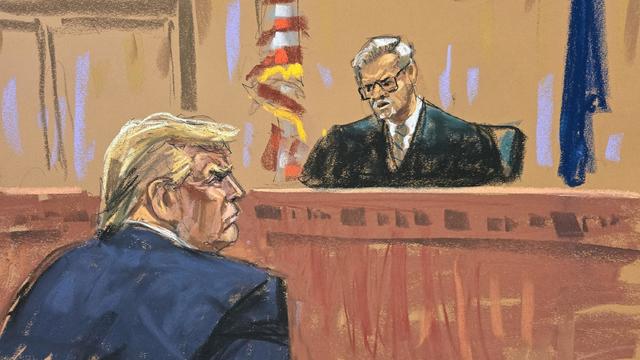
Judge Juan Merchan said former President Donald Trump violated his gag order on April 22 when he commented on the political makeup of the jury.

"My vision for the DNC, ultimately, is to have a safe, energetic, vibrant convention, and I'm confident we will be able to deliver that," Johnson said.

Employees at dozens of now-closed Foxtrot Market and Dom's Kitchen stores, now jobless, wonder what comes next for them as their paychecks will soon end.
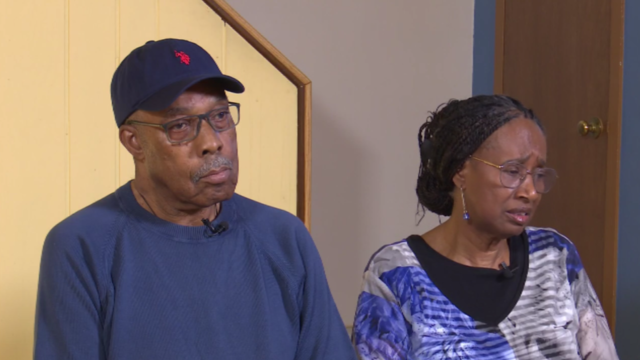
The family didn't get their cut of the estate sale, not hearing back from the salesman until CBS 2 got involved.
The Better Business Bureau warns that anyone buying an event ticket should watch out for fake ticket scams.

Financial records show Paul Croft and J.D. Frost raised about $30 million for a hydrogen plant that was supposed to be, at one point, in Indiana. It never existed, an attorney says.

Anyone with these sausages in their refrigerators should throw them away or return them to the store.

First known HIV cases from a nonsterile injection for cosmetic reasons highlights the risk of unlicensed providers.

The city's measles dashboard said a total of 63 measles cases have been confirmed in Chicago this year, with one new case this week.

The department said anyone who visited the Sam's Club at 9400 S. Western Ave. in Evergreen Park one day last week may have been exposed to someone with measles.

Health officials are warning consumers not to consume Infinite Herbs basil sold at some Trader Joe's and Dierberg's stores after 12 people were sickened.
Officials said there was no known link between this case and the recent outbreak of measles at a migrant shelter in Chicago.

The Illinois Worker Adjustment and Retraining Notification (WARN) Act requires employers to notify workers of mass layoffs 60 days in advance.

Mayor Brandon Johnson denied that the Bears' shiny new dome could end up costing taxpayers a pretty penny.
Employees at dozens of now-closed Foxtrot Market and Dom's Kitchen stores, now jobless, wonder what comes next for them as their paychecks will soon end.

The company announced Tuesday that it received a stalking horse bid to purchase its operating assets.
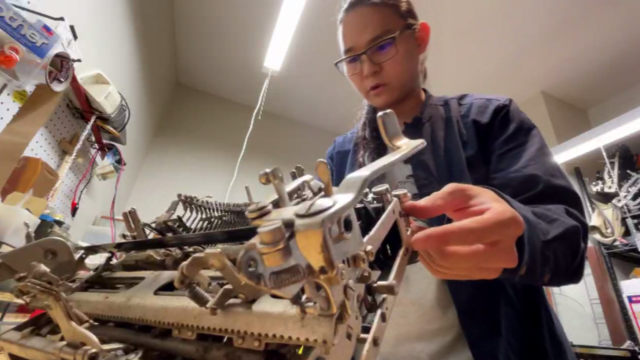
Dozens of typewriters clutter the shelves of the 24-year-old business owner's workshop inside his parents' home in Downers Grove.
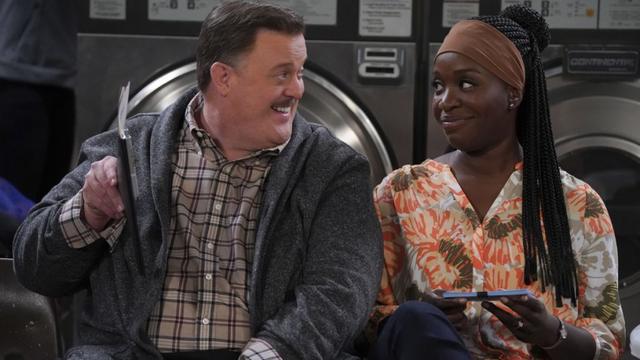
'Bob Hearts Abishola', the acclaimed comedy, is signing off after its fifth season on CBS.

Bernard Hill died Sunday at 79. The actor was known for his roles in "Lord of the Rings" and "Titanic."

"Sunday Morning" has an exclusive behind-the-scenes look at the creation of the country singer's first post-stroke song, "Where That Came From," which blends art with artificial intelligence in a recording that captures Travis' country heart.

"Happy 9th Birthday, Princess Charlotte!" the Prince and Princess of Wales said in a social media post with a new photo of their daughter taken by Kate.

Paramount said long-time CEO Bob Bakish will leave the company, which is in discussions to explore a sale or merger.
It's not only the best of its kind ever found, it's also the only one you can see at any major museum. The fossil is helping paleontologists study how birds evolved
Seventy-nine-year-old James Barbier was charged in connection to Snider's death in November of 1966. Her autopsy revealed the then 18-year-old mother was stabbed more than 120 times.
CBS 2 Meteorologist David Yeomans has a look at the extended forecast.
For the first time, Boeing is sending people into space on Monday. After years of delays and stumbles, the company’s Starliner capsule is sitting on the launchpad at Cape Canaveral in Florida for its first piloted launch.
Police were investigating a string of five armed robberies in less than an hour on Saturday in the Logan Square, West Town, and Wicker Park neighborhoods.
Police determined a man, identified as Raymond Link, 47, attacked and battered a 59-year-old woman along with his unleashed dog.
Faculty for Justice in Palestine has promised to support University of Chicago student protesters as the encampment continues to grow, going so far as to say they are willing to be arrested if it comes to that.
Lovely weather is in store until Tuesday, but two rounds of strong to severe storms could come soon.
Israel has not yet officially commented on Hamas' response to the reported ceasefire proposal.
Prosecutors are continuing to call witnesses in former President Donald Trump's criminal trial in New York, where jurors heard from a former Trump Organization executive.
Expert panel discussion centers the focus on the disparity that 1 in 3 victims of crime in Chicago is a Black woman
Police arrived at the scene sooner than if they had waited for the first 911 call.
Anthony Robinson's attorney said his previous defense lawyer failed to present evidence that showed it was physically impossible for him to be the shooter.

The village board is working on a resolution to hire Lightfoot, a former federal prosecutor before her lone term as Chicago's mayor, to investigate claims Henyard has been misusing public funds.
DCFS Director Heidi Mueller was asked Thursday why some kids in the system are being held in psychiatric hospitals longer than medically necessary.
Chicago had lost 14 of its first 16 road games this season.
Chicago posted two straight wins against Milwaukee after losing 3-1 on Friday.
The Bears said Avellini died after a battle with cancer.

Tanner Banks came on after a three-hour rain delay to strike out pinch-hitter Iván Herrera in the bottom of the 10th inning.

hicago tied its first divisional series of the year at one apiece in manager Craig Counsell's first series against his former team.

In each of the robberies, three men armed with handguns got out of a silver four-door sedan, and robbed the victims of their wallets, cash, phones, keys, and credit cards.
Police determined a man, identified as Raymond Link, 47, attacked and battered a 59-year-old woman along with his unleashed dog.

Security cameras captured the moment 35-year-old Mary Larson pulled brochure holders and even a billboard off the wall.

A church service in North Braddock, Pennsylvania, was upended Sunday when a man pulled a gun on the pastor in the middle of his sermon.
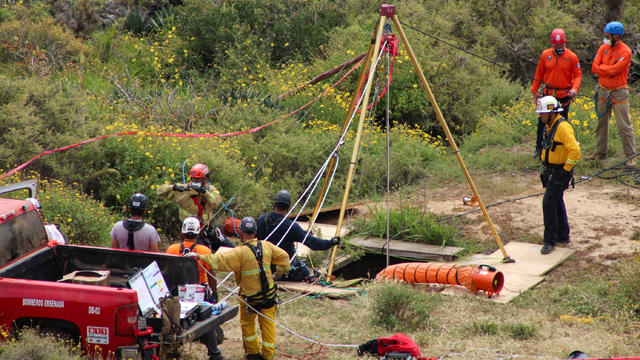
Officials confirmed the bodies found in a well last week in Mexico belonged to three missing surfers and that they each had bullet wounds.