Apr 23, 2008 7:04 am US/Central
Skyrocketing Gas Prices Mean Frustrated Drivers
Crude Oil Hits Record Prices For 7 Straight Days
CHICAGO (CBS) ―
Oil and gas prices are setting more records, and there is no relief in sight especially as the summer travel season creeps in.
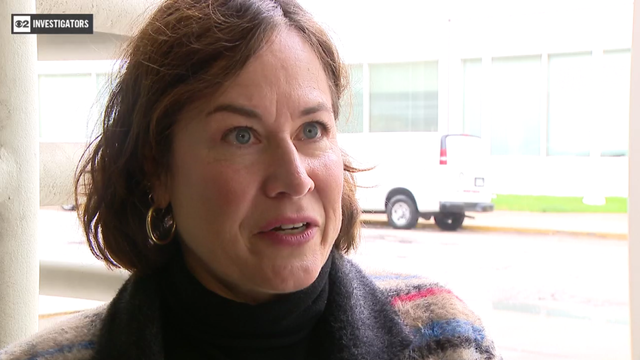
As CBS 2's Joanie Lum reports, on Wednesday morning, the price at the Shell station at North Avenue and LaSalle Boulevard was $3.99 9/10 for regular gas. The highest grade was $4.19, and there are still two months until summer begins.
Gasoline prices typically rise in the spring as stations switch over to pricier summer-grade fuel and demand picks up as more travelers take to the road.
But this year prices are rising even faster than normal, experts say. Oil prices rose Tuesday to a new record above $118 a barrel supported by concerns about crude supplies from some key producers. Light, sweet crude for May delivery rose as high as $118.05 a barrel in electronic trading on the New York Mercantile Exchange, eclipsing Monday's all-time high of $117.83.
It was the seventh day on which oil prices set a record.
In Chicago, gas has gone up a penny a day for the last month, and nationally, the average price is $3.51.
Drivers are growing weary of paying high prices.
"This truck cost me about $95," said one driver at the Shell station at North and LaSalle. "I travel a lot to Tinley Park, to Orland Park; I usually fill it up about three times a week."
Even a small car can run up a big gas bill.
"It's crazy; I don't make that much money," said motorist Anthony Bacon. "That's the thing I don't make that much money. Everything else is going up; not just gas, but everything else."

Many drivers said they buy just enough gas in the city and then drive out to a suburb where they might pay a little less in taxes. But altering driving habits does not mean getting around paying for gas.
Nationally, AAA and the Oil Price Information Service said earlier this week that more and more Americans who have to drive are weighing the need for each and every trip.
Some would-be drivers are considering less energy-dependent alternatives simply for money's sake.
Chicagoan Sharon Cooper said earlier this week that she is planning to buy a bicycle to use on her 2 1/2-mile commute to work. Meanwhile in Los Angeles, fiction writer Brian Edwards sold his gas-guzzling Ford truck and now relies on his skateboard or the bus to get around.
And everyone, it seems, is more than willing to join in the griping.
"It's hell," said legal aide Zebib Yemane, who spent $5 on gas for her Chevy compact at a 76 station in downtown Los Angeles just so she could make it to a cheaper gas station east of the area.
"When going downhill, I used to step on the gas. Now I don't," said Yemane, who said she normally spends $80 a week on fuel and asks people for rides and takes the bus to save money.
"Bottom line, we can't afford it no more, man. It's too much," Bak Zoumane said as he filled up his yellow cab at a BP station in midtown New York. The West African immigrant said his next car will likely be a hybrid so he won't have to pay so much at the pump.
Those soaring prices are putting added strain on refiners and filling-station operators, which are struggling to pass the higher feedstock costs onto consumers. So even as drivers pay more, retailers - the most public face of the oil business - are getting increasingly squeezed.
"The farther you get from the wellhead, the greater the misery," said Tom Kloza of the Oil Price Information Service in Wall, N.J. "There's a lot of stations across the country that are literally on the brink of bankruptcy."
Samer Katib, the manager of a Chicago Marathon station, said business has fallen at least 30 percent this year because customers are cutting back on driving and only using their cars when absolutely necessary.
"It's just go to your work and go home," he said of people's driving habits these days, adding that customers no longer stop in for profit-fattening drinks like they used to. "They need all their money for gas," he said.
"I wish I could make gas prices cheaper," Katib added. "But if we do that, we cannot survive."
At the North and LaSalle Shell station Wednesday morning, more people seemed to be going to the convenience store than coming to fill up.
Other businesses are getting pinched as well.
Mitch Goldstone, who owns a photo-scanning shop in Irvine, Calif., said he began giving out gas cards Monday to encourage people to shop after noticing a sharp decline in customer traffic - something he attributed to soaring gas prices.
Diesel prices are rising even higher than gasoline, putting pressure on trucking and other shipping companies that use the fuel to transport goods around the country.
Trucking Associations Chief Economist Bob Costello said fuel has now surpassed labor as the trucking industry's biggest cost, prompting some companies to install devices that prevent drivers from speeding.
Companies are also shelling out for auxiliary power units and offering bonuses to drivers who cut down on idling and operate their trucks more efficiently.
Meanwhile, analysts are raising their estimates of where gas is going to go.
"I wouldn't rule out the possibility that we could get to $4," said Antoine Halff, an analyst at Newedge USA LLC.
Other analysts are less certain. Fred Rozell, retail pricing director at the Oil Price Information Service, thinks gas prices will rise only another 10 cents to 20 cents nationally. That would mean they would peak near $4.15 a gallon in California, where prices are typically highest, and around $3.50 in New Jersey, where they're typically lowest.
While Chicago gas prices are higher than average, we have it easy compared with California. AAA figures showed early Tuesday the Golden State has higher prices than anywhere in the country, with regular now selling for an average of $3.86 a gallon.
CBS 2's Joanie Lum and the Associated Press contributed to this report.
(© MMVIII, CBS Broadcasting Inc. All Rights Reserved.)
Video: CBS 2's Picks To Click