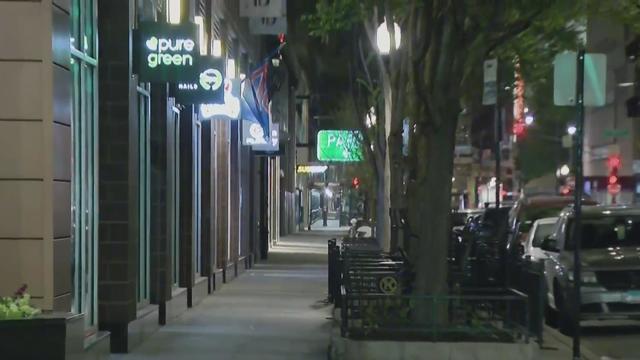
String of armed robbery reported in downtown Chicago overnight
There were a total of eight victims in four separate, similar, incidents all just minutes apart.
Watch CBS News

Breaking News, First Alert Weather, Exclusive Investigations & Community Journalism
There were a total of eight victims in four separate, similar, incidents all just minutes apart.
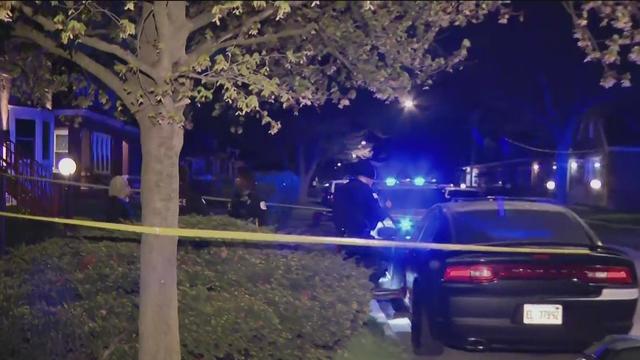
The 33-year-old went to open his car door when he saw two people sitting inside.

Crime stats of those who were carjacked, robbed, shot, or killed give an overwhelming sense of a society unmoored. But the spectacle of crime can evoke fear, often overshadowing those who are truly affected: the victims.
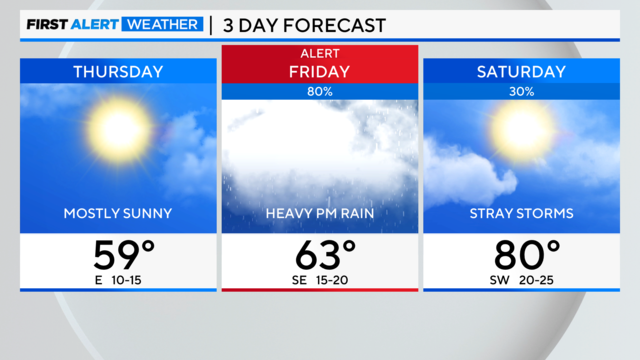
Shower chances develop late Friday and last through the weekend.

The rescue was completed around 3:30 p.m., nearly eight hours after the bird was first spotted.
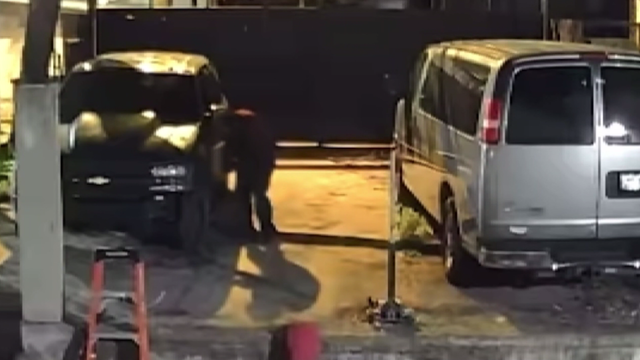
Such crimes are more than a nuisance. A slashed tire is an expensive problem to fix.
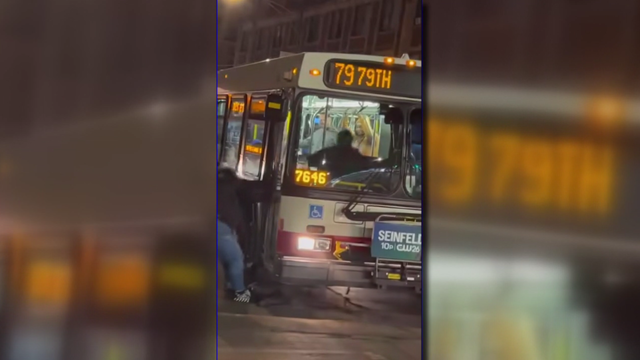
Keith Hill, president of Amalgamated Transit Union 241, said the driver radioed for police help. But nobody came, Hill said.
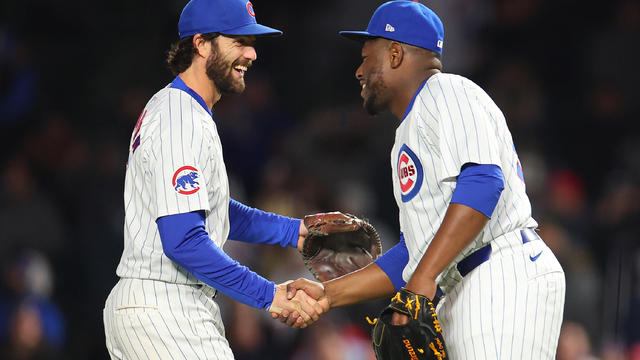
Playing without Cody Bellinger, the Cubbies used Swanson's big swing and a solid start by Jameson Taillon to earn its second straight win.

Breaking News, First Alert Weather, Exclusive Investigations & Community Journalism
Shower chances develop late Friday and last through the weekend.

CBS 2 News Chicago's weather forecast model — First Alert — helps digital users and traditional television viewers stay on top of Chicago's dynamic weather.
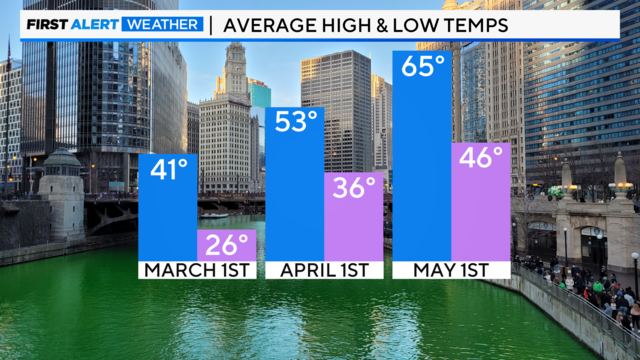
The emergence of greenery and blossoms is underway soon as El Niño fades away, and we transition to a neutral weather pattern.
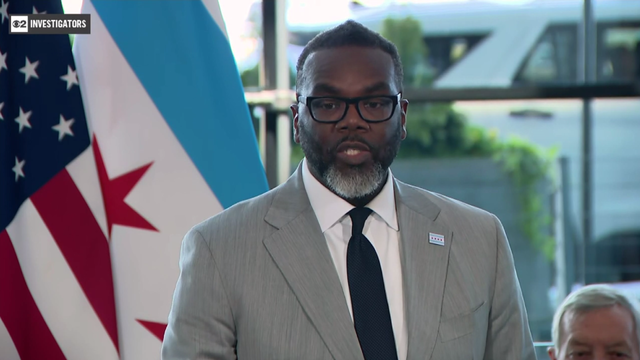
Police arrived at the scene sooner than if they had waited for the first 911 call.
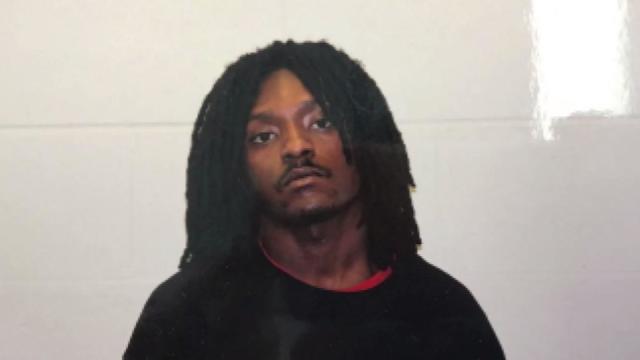
Anthony Robinson's attorney said his previous defense lawyer failed to present evidence that showed it was physically impossible for him to be the shooter.
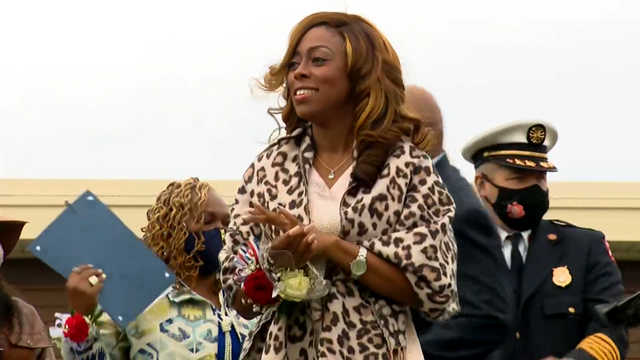
The village board is working on a resolution to hire Lightfoot, a former federal prosecutor before her lone term as Chicago's mayor, to investigate claims Henyard has been misusing public funds.

The Bears say they want to get this deal done now, with a message to lawmakers that this project will only get more expensive the longer it takes.
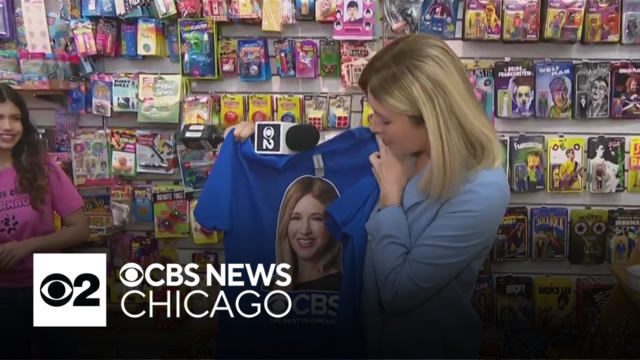
Strange Cargo in Andersonville has unique items for any occasion, even CBS 2's Jackie Kostek merch!
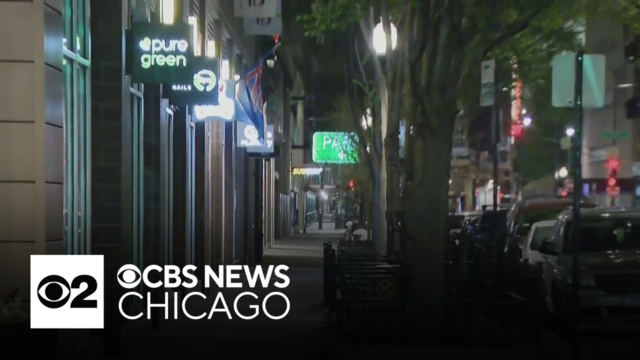
A string of armed robberies was reported in downtown Chicago overnight .There were a total of eight victims in four separate, similar, incidents all just minutes apart.
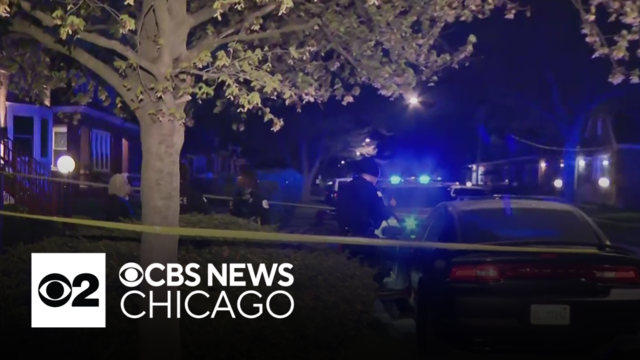
Chicago police said the 33-year-old went to open his car door, in the 400 block of East 89th Street just before 4 a.m., when he saw two people sitting inside. That's when one of them shot the victim in the hand.
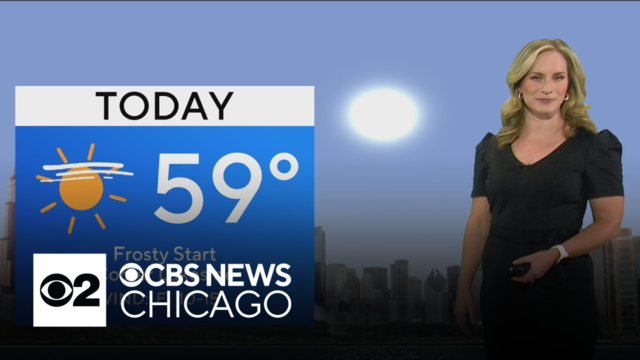
CBS 2 meteorologist Laura Bannon has the forecast.
Playing without Cody Bellinger, the Cubbies used Swanson's big swing and a solid start by Jameson Taillon to earn its second straight win.
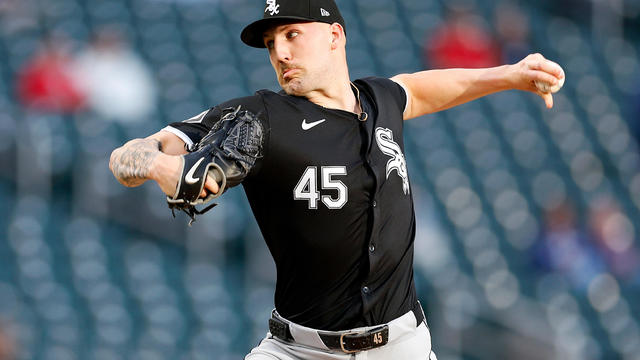
The Sox executed a double steal in the fifth to cut Minnesota's lead to 4-3. But they went on to lose as Minnesota scored two more runs.
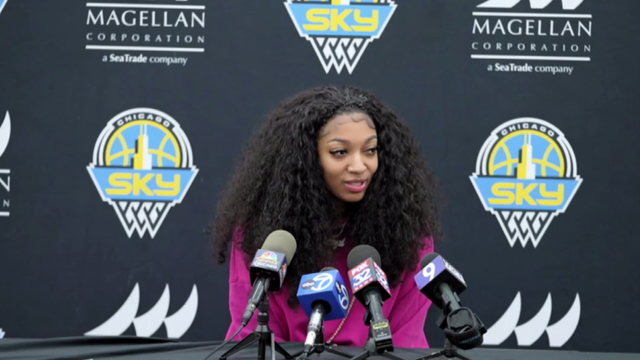
The Sky introduced No. 7 pick Reese Wednesday along with No. 13 pick Brynna Maxwell.
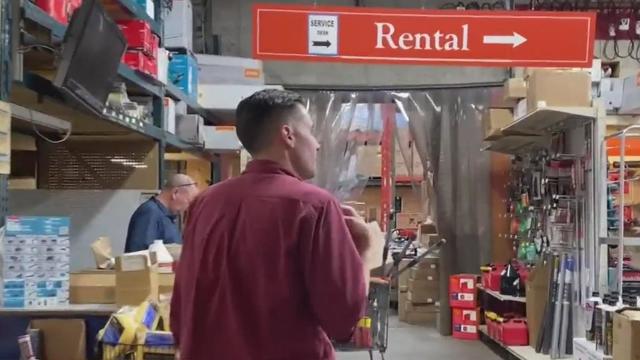
Clark Devon Hardware was owned by one family for 99 years. When they decided to sell, it wasn't to a new investor but to their staff. Now, a year later, the shop is proudly owned by their team of 65 employees.
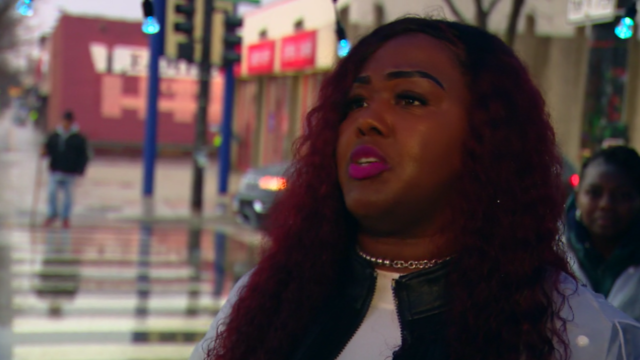
City data show crime is down in the Austin community since Sandie Norman set up her ministry at Madison and Central.
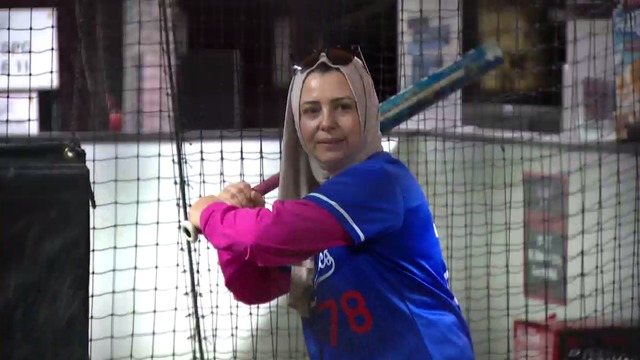
ChiTown Muslimah Athletics is a women's Muslim athletics group for women 23 and over.
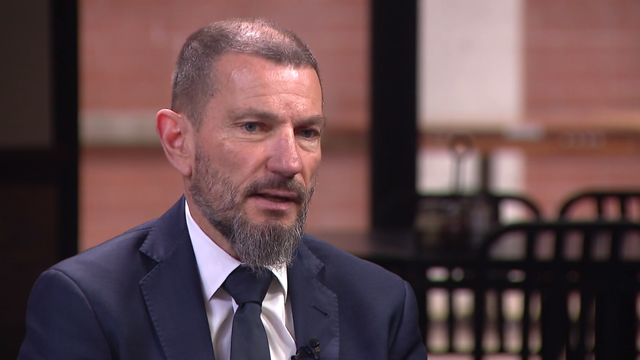
Guidice said he left City Hall on good terms.

Mayor Brandon Johnson denied that the Bears' shiny new dome could end up costing taxpayers a pretty penny.

Bears president Kevin Warren said the new stadium would include replacing Soldier Field with additional parks and public sports fields, while preserving the stadium's iconic colonnades, which were built as a war memorial for American veterans.
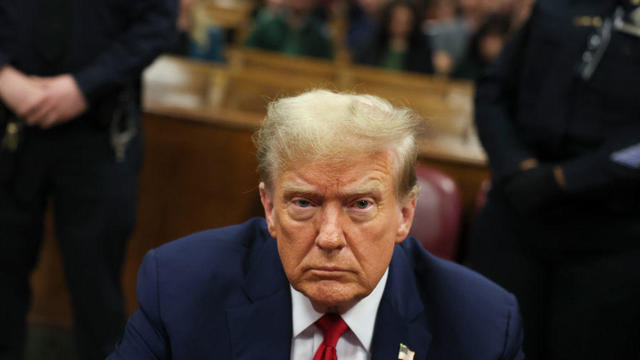
Jurors in former President Donald Trump's trial in New York heard testimony from a former media executive about his efforts to bury negative stories about Trump before the 2016 presidential election.
Regulators prohibit new noncompetes, which impede millions of U.S. workers from getting a better job.

Employees at dozens of now-closed Foxtrot Market and Dom's Kitchen stores, now jobless, wonder what comes next for them as their paychecks will soon end.
The family didn't get their cut of the estate sale, not hearing back from the salesman until CBS 2 got involved.
The Better Business Bureau warns that anyone buying an event ticket should watch out for fake ticket scams.
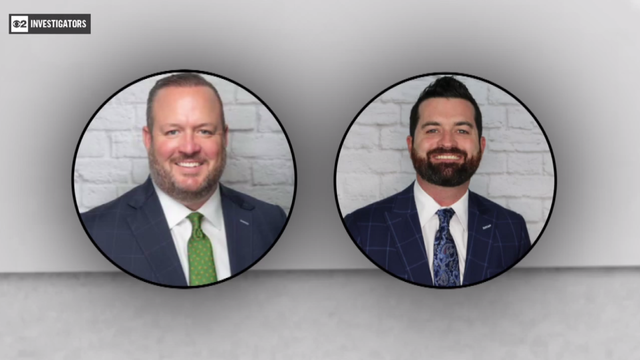
Financial records show Paul Croft and J.D. Frost raised about $30 million for a hydrogen plant that was supposed to be, at one point, in Indiana. It never existed, an attorney says.
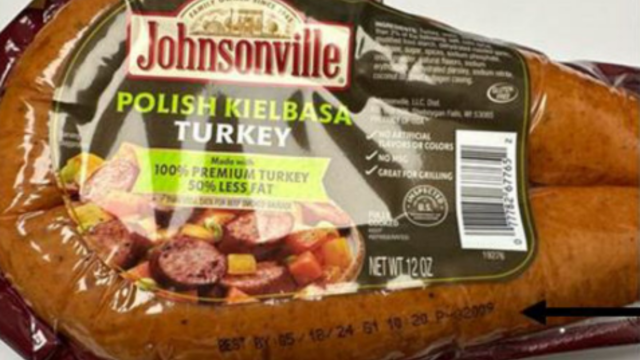
Anyone with these sausages in their refrigerators should throw them away or return them to the store.
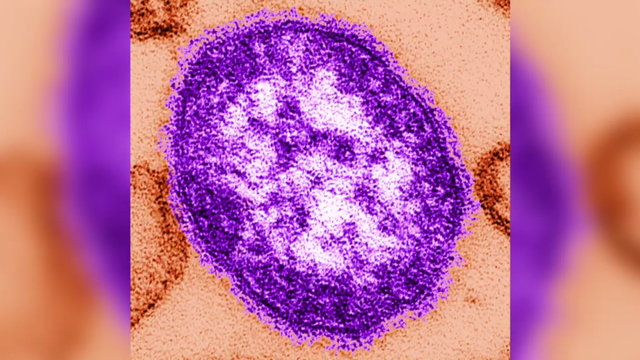
The city's measles dashboard said a total of 63 measles cases have been confirmed in Chicago this year, with one new case this week.

The department said anyone who visited the Sam's Club at 9400 S. Western Ave. in Evergreen Park one day last week may have been exposed to someone with measles.
Health officials are warning consumers not to consume Infinite Herbs basil sold at some Trader Joe's and Dierberg's stores after 12 people were sickened.
Officials said there was no known link between this case and the recent outbreak of measles at a migrant shelter in Chicago.
Health department officials said the case does not appear to be linked to new migrant arrival shelters in Chicago, and the source of infection is unknown.
Mayor Brandon Johnson denied that the Bears' shiny new dome could end up costing taxpayers a pretty penny.
Employees at dozens of now-closed Foxtrot Market and Dom's Kitchen stores, now jobless, wonder what comes next for them as their paychecks will soon end.
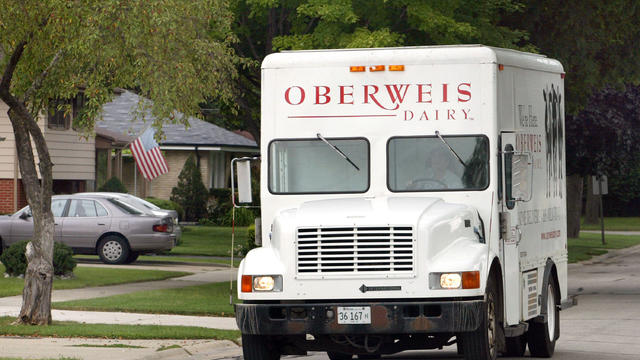
The company announced Tuesday that it received a stalking horse bid to purchase its operating assets.
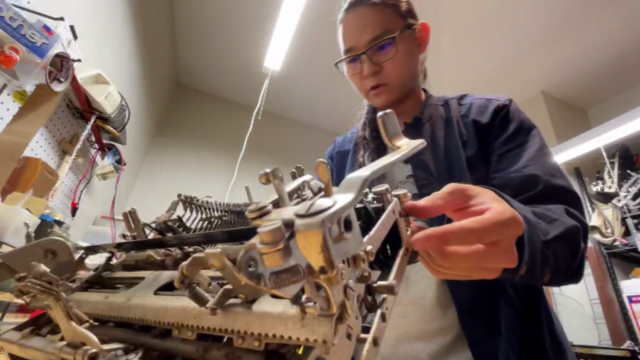
Dozens of typewriters clutter the shelves of the 24-year-old business owner's workshop inside his parents' home in Downers Grove.
The closure affects both Dom's locations in Chicago, and all 33 Foxtrot stores in Chicago, Texas, and the Washington D.C. area.
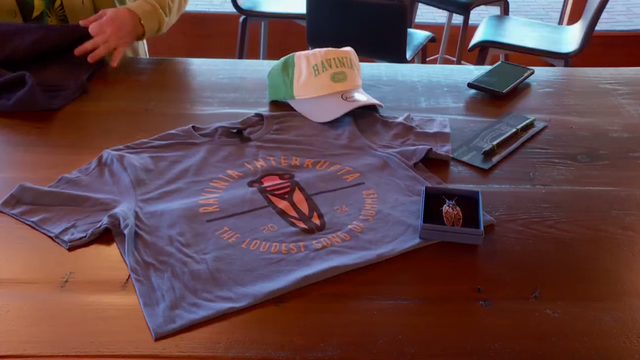
Still, Ravinia is capitalizing on the situation with a limited-edition shirt—reading, "Ravinia Interrupta," and calling the cicada buzz the loudest song of summer.
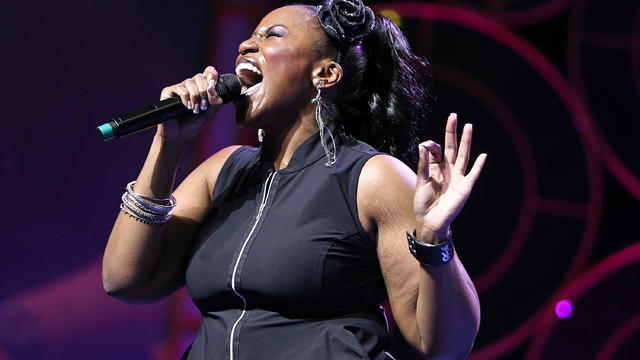
The singer was found deceased at her home, a representative said.
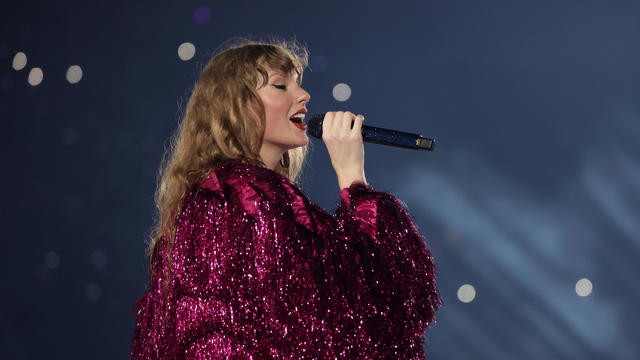
Anticipation was growing at a fever pitch before Taylor Swift's latest album, "The Tortured Poets Department," dropped at midnight EDT. But it turned out it's actually a double album.
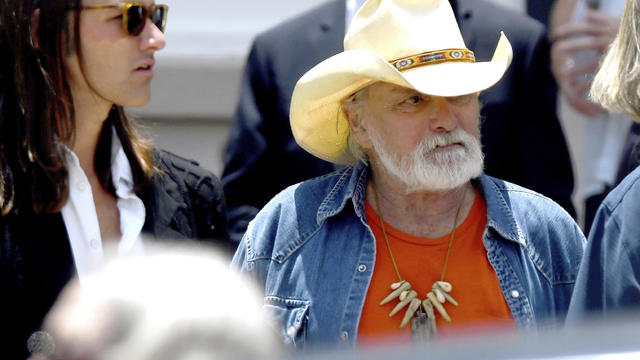
Guitar legend Dickey Betts, who co-founded the Allman Brothers Band and wrote their biggest hit, "Ramblin' Man," has died.

Colbert lived in Chicago for 11 years, performing and "cutting his comedy teeth" at the legendary Second City and attending Northwestern University. His show will broadcast from Chicago's storied Auditorium Theater Aug. 19-22 on CBS.
The Bears say they want to get this deal done now, with a message to lawmakers that this project will only get more expensive the longer it takes.
Strange Cargo in Andersonville has unique items for any occasion, even CBS 2's Jackie Kostek merch!
A string of armed robberies was reported in downtown Chicago overnight .There were a total of eight victims in four separate, similar, incidents all just minutes apart.
Chicago police said the 33-year-old went to open his car door, in the 400 block of East 89th Street just before 4 a.m., when he saw two people sitting inside. That's when one of them shot the victim in the hand.
CBS 2 meteorologist Laura Bannon has the forecast.
There were a total of eight victims in four separate, similar, incidents all just minutes apart.
The 33-year-old went to open his car door when he saw two people sitting inside.
Crime stats of those who were carjacked, robbed, shot, or killed give an overwhelming sense of a society unmoored. But the spectacle of crime can evoke fear, often overshadowing those who are truly affected: the victims.
Shower chances develop late Friday and last through the weekend.
The rescue was completed around 3:30 p.m., nearly eight hours after the bird was first spotted.
Police arrived at the scene sooner than if they had waited for the first 911 call.
Anthony Robinson's attorney said his previous defense lawyer failed to present evidence that showed it was physically impossible for him to be the shooter.
The village board is working on a resolution to hire Lightfoot, a former federal prosecutor before her lone term as Chicago's mayor, to investigate claims Henyard has been misusing public funds.
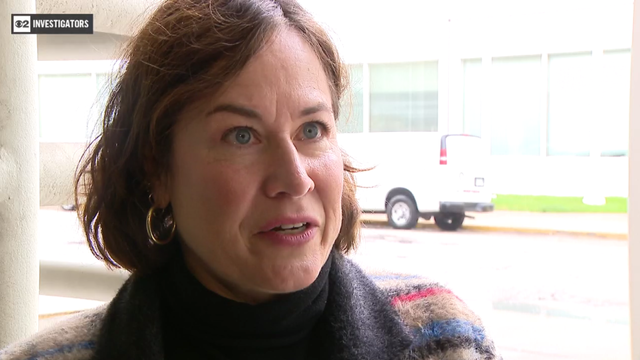
DCFS Director Heidi Mueller was asked Thursday why some kids in the system are being held in psychiatric hospitals longer than medically necessary.
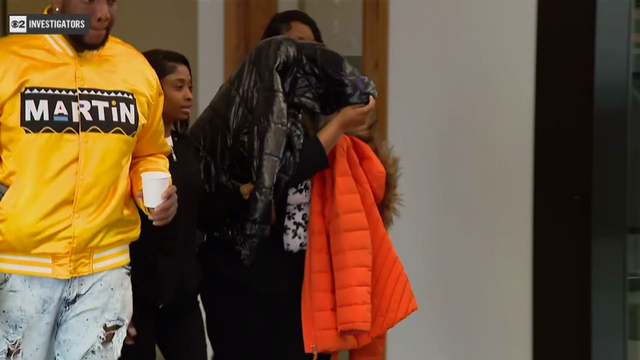
CBS 2 discovered the woman, Whitley Temple, was hired by the City of Chicago while awaiting trial.
Playing without Cody Bellinger, the Cubbies used Swanson's big swing and a solid start by Jameson Taillon to earn its second straight win.
The Sox executed a double steal in the fifth to cut Minnesota's lead to 4-3. But they went on to lose as Minnesota scored two more runs.
The Sky introduced No. 7 pick Reese Wednesday along with No. 13 pick Brynna Maxwell.
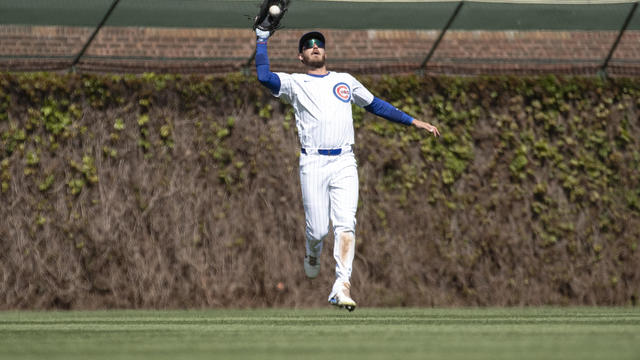
X-rays after the game Tuesday night were clean, but an MRI today showed the fractures.

Williams is the only quarterback with whom the Bears met ahead of a draft, in which five of the first six could be QBs.
Such crimes are more than a nuisance. A slashed tire is an expensive problem to fix.
Keith Hill, president of Amalgamated Transit Union 241, said the driver radioed for police help. But nobody came, Hill said.
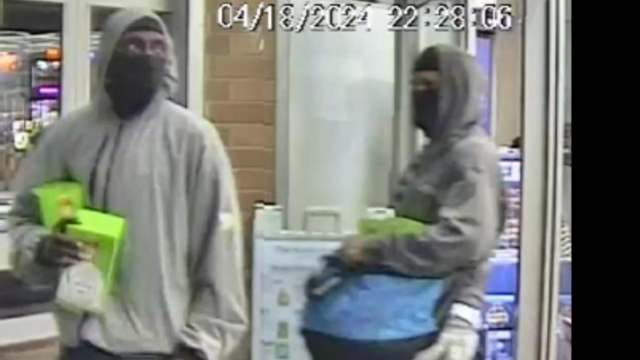
Police said the thieves used different types of force to make off with large quantities of cigarettes and bottles of alcohol in each incident.
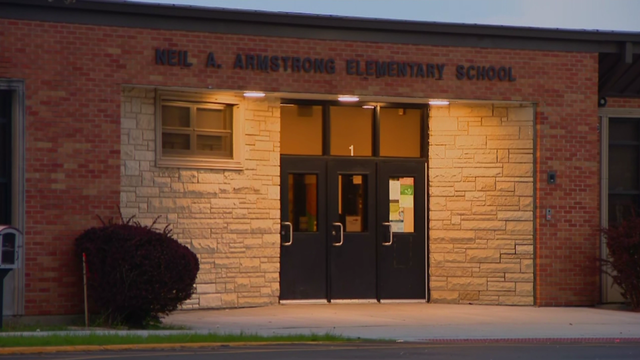
School officials said police arrested the gunman and recovered a gun.
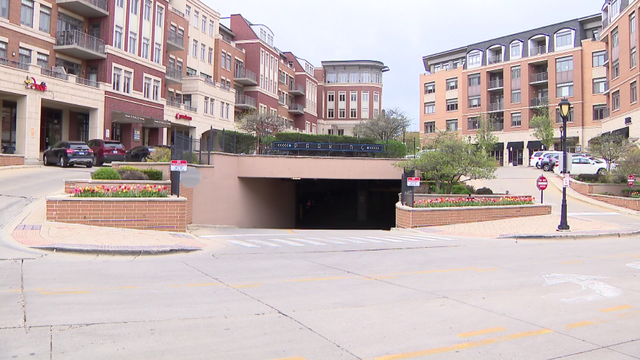
One of the men sprayed him in the face with pepper spray, while the other had a knife in his hand, police said. Both men beat until he fell to the ground, police said.